
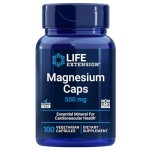
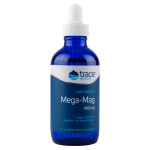

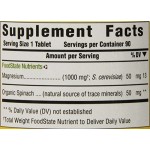
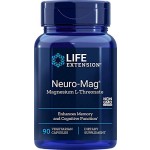


Best Magnesium Supplements for Sleep

Written by Supplements.org Editorial Team Reviewed by Supplements.org Research Team Updated April 2026

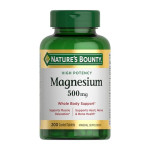
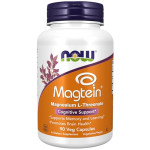
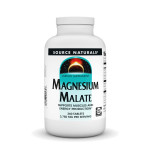
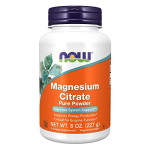
Top products

How our rating works

Our Supplement Rating is calculated from multiple data points: ingredient quality and form, label transparency, dosage strength relative to research-backed amounts, third-party testing availability, and value per serving. Products are ranked automatically — no brand pays for placement. Prices are pulled from major retailers and updated regularly. This system is designed to help you compare products more confidently, but it is not a substitute for professional medical advice.

Who is it for

Adults who have difficulty falling asleep or staying asleep and want a natural, evidence-based supplement to support sleep quality

People dealing with chronic stress or elevated cortisol levels that interfere with relaxation and nighttime wind-down routines

Individuals who experience nighttime muscle cramps, restless legs, or tension that disrupts sleep

Anyone with a diet low in magnesium-rich foods (leafy greens, nuts, seeds, whole grains) who may have a subclinical deficiency affecting sleep

Benefits

Improved sleep quality and duration

Magnesium supplementation has been shown to improve both subjective and objective measures of sleep quality. A 2012 clinical trial found that 500 mg of magnesium daily for 8 weeks significantly increased sleep time, sleep efficiency, and melatonin levels while reducing sleep onset latency. These improvements are likely mediated through magnesium's role in GABA regulation and melatonin synthesis.

Stress and anxiety reduction

Magnesium helps regulate the HPA axis and modulate the body's stress response. Research published in Nutrients (2017) found that magnesium supplementation had a beneficial effect on subjective anxiety in anxiety-prone individuals. By lowering cortisol and supporting parasympathetic nervous system activity, magnesium can help create the calm mental state needed for restful sleep.

Muscle relaxation and cramp prevention

Magnesium is essential for proper muscle contraction and relaxation. It acts as a natural calcium channel blocker, helping muscles release after contracting. People who experience nighttime leg cramps or restless legs often have low magnesium levels, and supplementation may reduce the frequency and severity of these episodes, leading to fewer sleep disruptions.

Nervous system support

Magnesium ions regulate neuronal excitability by blocking NMDA receptors in their resting state, preventing excessive neural firing. This calming effect on the nervous system is fundamental to the transition from wakefulness to sleep. Adequate magnesium levels support healthy circadian rhythm function and help maintain the balance between excitatory and inhibitory neurotransmission that is essential for deep, restorative sleep.

Forms explained

Magnesium Glycinate

Magnesium bound to the amino acid glycine, which itself has calming and sleep-promoting properties. Magnesium glycinate is widely considered the best form for sleep because of its high bioavailability, gentle effect on the stomach, and the additional relaxation benefits of glycine. Clinical studies on glycine have shown it can improve subjective sleep quality and reduce daytime sleepiness. This form is less likely to cause the laxative effect associated with other magnesium types.

Magnesium Citrate

Magnesium bound to citric acid, offering good bioavailability and absorption. Magnesium citrate is one of the most commonly available and affordable forms. While effective for raising magnesium levels, it has a stronger osmotic effect in the gut and is more likely to cause loose stools or a mild laxative effect at higher doses. It is a solid choice for sleep support if glycinate is unavailable, but sensitive users should start with a lower dose.

Magnesium L-Threonate

A newer form of magnesium specifically designed to cross the blood-brain barrier more efficiently. Developed at MIT, magnesium L-threonate (sold under the brand name Magtein) has been shown in preclinical studies to increase brain magnesium levels more effectively than other forms. It is primarily marketed for cognitive function and memory, but its ability to raise central nervous system magnesium levels may also benefit sleep architecture. It tends to be more expensive per serving than glycinate or citrate.

Natural food sources

Even with supplementation, food-first magnesium intake matters. The richest natural sources concentrate magnesium alongside cofactors that aid absorption.

Pumpkin seeds

156 mg / 30 g

Single best snack source — easy 40% daily value

Almonds

80 mg / 30 g

Convenient and travel-friendly

Spinach (cooked)

78 mg / 100 g

Boil water first to reduce oxalate binding

Black beans

120 mg / cup

Pair with rice for complete amino acids

Dark chocolate (70%+)

64 mg / 30 g

Evening-friendly source — limit if caffeine-sensitive

Avocado

58 mg / fruit

Bonus potassium for sleep support

When to expect results

Most users report changes on the timeline below. Individual response varies based on dosage, baseline status, and consistency.

  1. Night 1–3

    Slight relaxation effect

    Most users notice mildly easier sleep onset within the first few nights, especially with glycinate or threonate forms taken 60 minutes before bed.

  2. Week 1–2

    Sleep depth improves

    As intracellular magnesium replenishes, deep-sleep stages tend to lengthen. Wearable users often see measurable HRV and deep-sleep increases.

  3. Week 4+

    Stable baseline

    In magnesium-deficient individuals (the majority of adults), full benefits — calmer mind, fewer night wakings, easier morning energy — typically stabilize by the 4-week mark.

Buying checklist

Run through this list before buying. Most issues with "magnesium not working" trace back to one of these items.

  • Form is glycinate, threonate, or malate — not oxide (~4% absorption) or sulfate
  • Elemental magnesium per serving is at least 200 mg, not just total compound weight
  • No magnesium stearate confused with elemental magnesium on the label
  • Brand provides a Certificate of Analysis or third-party testing on request
  • Capsule form preferred over gummies (gummies usually use lower-quality, lower-dose forms)
  • Stored away from heat and humidity to avoid clumping or oxidation
  • Stacking with calcium, zinc, or iron — separate doses by 2 hours to avoid absorption competition

What to look for

Magnesium glycinate or bisglycinate as the primary form — this is the best-tolerated and most sleep-specific form, offering high bioavailability without significant laxative effects

Clear labeling of elemental magnesium per serving — many products list only the weight of the magnesium compound, which can be misleading since elemental content varies widely by form

Third-party testing (NSF, USP, or independent lab verification) — magnesium supplements can vary in actual content versus label claims, and third-party testing ensures you are getting what you pay for

Minimal unnecessary additives, fillers, and artificial colors — a clean formula reduces the chance of unwanted reactions and makes it easier to assess what you are consuming

An appropriate dose per capsule that allows flexible dosing — products offering 100–200 mg elemental magnesium per capsule let you adjust your dose more precisely to find what works best for you

Absence of magnesium oxide as the primary form — oxide has significantly lower bioavailability and stronger laxative effects, making it a poor choice specifically for sleep support

Magnesium Glycinate vs Magnesium Citrate

Magnesium Glycinate
Bioavailability High — well absorbed with minimal GI side effects
GI tolerance Excellent — rarely causes laxative effects, gentle on the stomach
Sleep-specific benefits Glycine carrier has its own calming and sleep-promoting properties
Cost and availability Moderately priced — widely available in capsule and powder form
VS
Magnesium Citrate
Bioavailability High — well absorbed but stronger osmotic effect in the gut
GI tolerance Moderate — more likely to cause loose stools at higher doses
Sleep-specific benefits No additional sleep-specific benefits beyond magnesium itself
Cost and availability Generally less expensive — one of the most common and affordable forms

FAQ

Magnesium glycinate is widely considered the best form for sleep. It combines high bioavailability with the calming properties of glycine, an amino acid that has been independently shown to improve sleep quality. Unlike magnesium citrate or oxide, glycinate is very unlikely to cause digestive discomfort or a laxative effect, making it suitable for nightly use. Magnesium L-threonate is another option that may benefit sleep through its ability to increase brain magnesium levels, but it is more expensive and has less direct clinical evidence for sleep outcomes.

Most clinical studies on magnesium and sleep have used between 200 and 500 mg of elemental magnesium per day. A common starting dose is 200 mg of elemental magnesium taken 30–60 minutes before bed, which can be increased to 400 mg if needed. It is important to distinguish between elemental magnesium and the total weight of the magnesium compound on the label. For example, 2,000 mg of magnesium glycinate contains roughly 200 mg of elemental magnesium. The NIH sets the upper limit for supplemental magnesium at 350 mg per day for adults.

Some people notice a calming effect within the first few days of supplementation, particularly if they were significantly deficient. However, the full benefits for sleep quality typically take 2–4 weeks of consistent daily use to become apparent. The 2012 clinical trial in the Journal of Research in Medical Sciences ran for 8 weeks and found progressively improving sleep metrics over the study period. For best results, take magnesium consistently at the same time each evening rather than only on nights when you have trouble sleeping.

Yes, magnesium and melatonin work through different mechanisms and can be taken together safely. Magnesium supports sleep by promoting GABA activity and muscle relaxation, while melatonin helps regulate the circadian rhythm and signals the body that it is time to sleep. Some sleep supplements combine both ingredients in a single formula. There are no known negative interactions between the two. However, it is generally recommended to try each supplement individually first to understand how your body responds before combining them.

Research suggests that magnesium supplementation can reduce symptoms of anxiety, particularly in individuals who are magnesium-deficient. A 2017 systematic review published in Nutrients found that magnesium had a beneficial effect on subjective anxiety across multiple studies. Magnesium helps calm the nervous system by regulating GABA receptors and reducing cortisol output, both of which contribute to the racing thoughts and physical tension that characterize nighttime anxiety. While magnesium is not a replacement for clinical anxiety treatment, it can be a helpful addition to an overall strategy for managing stress and improving sleep.

AI consultant

This content is for informational purposes only and is not a substitute for professional medical advice. Consult a qualified healthcare provider before taking any supplement.