
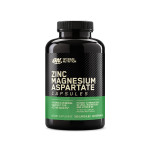
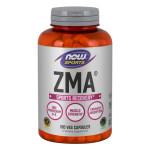
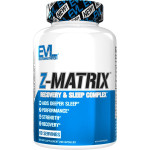

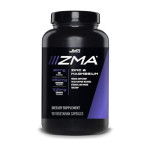
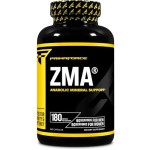
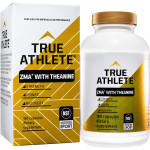
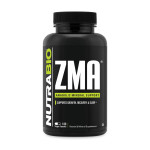
Best ZMA Supplements

Written by Supplements.org Editorial Team Reviewed by Supplements.org Research Team Updated April 2026

Top products

How our rating works

Our Supplement Rating is calculated from multiple data points: ingredient quality and form, label transparency, dosage strength relative to research-backed amounts, third-party testing availability, and value per serving. Products are ranked automatically — no brand pays for placement. Prices are pulled from major retailers and updated regularly. This system is designed to help you compare products more confidently, but it is not a substitute for professional medical advice.

Who is it for

Athletes and active individuals who lose significant zinc and magnesium through sweat and intense training

Men interested in natural support for healthy testosterone levels and hormonal balance

People who have difficulty falling asleep or staying asleep and want a non-sedative sleep support option

Individuals with suboptimal dietary intake of zinc and magnesium who want a convenient combined formula

Benefits

Muscle recovery and performance

Zinc plays a critical role in protein synthesis and cell repair, while magnesium is involved in over 300 enzymatic reactions including those governing muscle contraction and relaxation. Together, these minerals support faster recovery from resistance training and endurance exercise. Studies have shown that magnesium supplementation can reduce exercise-induced muscle damage markers and improve post-exercise recovery in athletes with marginal deficiency.

Sleep quality improvement

Magnesium has well-documented effects on sleep architecture. It activates the parasympathetic nervous system and regulates melatonin and GABA — two key neurotransmitters involved in sleep onset and maintenance. Clinical trials have shown that magnesium supplementation improves subjective sleep quality, sleep time, and sleep efficiency, particularly in older adults and those with low baseline magnesium status. The addition of zinc and B6 may further support these effects.

Hormone support

Zinc is essential for testosterone synthesis, and deficiency is directly linked to reduced testosterone levels in men. A landmark study in Nutrition found that zinc restriction in young men led to a significant decrease in serum testosterone over 20 weeks. While ZMA may not raise testosterone above normal physiological levels in well-nourished individuals, correcting a zinc deficiency can restore testosterone to its optimal range.

Immune function

Both zinc and vitamin B6 are critical for immune system function. Zinc supports the development and function of immune cells including neutrophils and natural killer cells, while B6 is required for lymphocyte production and antibody responses. Athletes undergoing heavy training loads are at increased risk of immune suppression, making adequate intake of these nutrients particularly important during high-volume training phases.

Forms explained

Standard ZMA formula

The classic ZMA formulation provides approximately 30 mg of zinc (as zinc monomethionine aspartate), 450 mg of magnesium (as magnesium aspartate), and 10.5 mg of vitamin B6. This is the combination used in the original Brilla and Conte research and remains the most common formula on the market. Products using the licensed ZMA brand typically adhere to these exact ratios.

Enhanced ZMA blends

Some manufacturers add ingredients to the standard ZMA base, such as melatonin, theanine, ashwagandha, or fenugreek, to target specific outcomes like deeper sleep or additional testosterone support. While these additions can be beneficial, they make it harder to compare products directly to the original ZMA research. Evaluate each added ingredient on its own merit and evidence base.

Individual zinc + magnesium + B6 stacks

Rather than buying a pre-made ZMA product, some users prefer to purchase zinc, magnesium, and B6 separately. This approach allows for more flexibility in dosing and form selection — for example, choosing magnesium glycinate for superior bioavailability or zinc picolinate for better absorption. However, it requires more careful dosing and typically costs more than a combined formula.

How to take it

  1. 1

    The standard ZMA dose is 30 mg of zinc, 450 mg of magnesium, and 10.5 mg of vitamin B6. Most products deliver this in 3 capsules for men and 2 capsules for women. This dosage was used in the original clinical research and remains the recommended amount on most product labels. Do not exceed the upper tolerable intake for zinc (40 mg/day) without medical supervision, as chronic high-dose zinc can cause copper depletion.

  2. 2

    ZMA should be taken on an empty stomach, ideally 30–60 minutes before bedtime. This timing takes advantage of magnesium's natural calming effect and aligns with the body's overnight recovery processes. Taking ZMA with food — especially foods high in calcium, fiber, or phytates — can significantly reduce absorption of both zinc and magnesium.

  3. 3

    Avoid taking ZMA at the same time as calcium supplements, dairy products, or high-calcium meals. Calcium competes with zinc and magnesium for absorption in the gut, which can reduce the effectiveness of ZMA. If you take a calcium supplement, separate it from your ZMA dose by at least 2 hours. Most users find that taking calcium in the morning and ZMA at night works well.

When to expect results

Most users report changes on the timeline below. Individual response varies based on dosage, baseline status, and consistency.

  1. Night 1–7

    Sleep depth and vivid dreams

    The most immediately reported effect — many users notice deeper sleep and more memorable dreams within the first week, attributed to ZMA's magnesium and B6 content.

  2. Week 2–4

    Recovery between sessions

    Resistance-trained users typically report less soreness and improved readiness on consecutive training days as zinc and magnesium stores replenish.

  3. Week 6–8

    Performance markers shift

    Studies in zinc-deficient athletes show modest increases in strength and free testosterone within this window. Athletes with adequate baseline status see smaller effects.

Smart stacking

What pairs well — and what to keep separate.

+

Pairs well with

  • Creatine monohydrate Independent mechanisms for strength and recovery — pairs cleanly with ZMA without competing for absorption.
  • Vitamin D3 (with K2) D3 supports zinc utilization and testosterone synthesis. K2 manages calcium routing.
  • Whey protein post-training Take ZMA at night separately from protein — keeps the zinc-protein absorption pathway clean.

Avoid combining with

  • Calcium-containing foods or supplements Calcium directly competes with zinc and magnesium absorption. Separate by at least 2 hours — never take ZMA with milk.
  • Iron supplements at the same time Zinc and iron compete for the same transporters. Take iron earlier in the day if you need both.

Price tiers

Cost ranges across the market — and what you actually get at each level.

Budget

$0.20–0.40 / serving

Generic ZMA blends from large supplement brands. Often use cheaper magnesium oxide and zinc oxide forms with lower bioavailability.

Premium

$1.00+ / serving

Trademark ZMA blends with added sleep-supporting ingredients (theanine, melatonin) or premium chelated mineral forms.

What to look for

The correct ZMA ratio — 30 mg zinc, 450 mg magnesium, and 10.5 mg B6 — which matches the formula used in clinical research

Zinc monomethionine aspartate and magnesium aspartate as the mineral forms, as these are the specific compounds in the original ZMA patent and research

Third-party testing or certification (NSF, Informed Sport, USP) to verify label accuracy and check for contaminants or banned substances

Minimal unnecessary additives — some ZMA products add proprietary blends of herbs or amino acids that increase cost without strong evidence of benefit

Transparent labeling that clearly lists elemental mineral amounts rather than compound weights, so you know exactly how much zinc and magnesium you are getting per serving

A capsule or tablet format rather than powder — ZMA is typically taken before bed, and capsules are more convenient for consistent nightly dosing

Side effects & safety

Common cautions

  • ZMA is generally well tolerated at standard doses. The most common side effect is mild gastrointestinal discomfort, including nausea or stomach cramps, which usually occurs when ZMA is taken on a full stomach or at higher-than-recommended doses.
  • Long-term zinc supplementation above 40 mg per day can interfere with copper absorption, potentially leading to copper deficiency and associated symptoms like anemia and weakened immune function. If you take ZMA daily for extended periods, consider monitoring copper status or taking a small copper supplement (1–2 mg/day).
  • High-dose magnesium — particularly magnesium oxide or citrate — can cause loose stools or diarrhea. Magnesium aspartate (the form in standard ZMA) is generally better tolerated, but individuals with kidney impairment should consult a doctor before supplementing with magnesium, as impaired kidneys cannot efficiently clear excess magnesium.
  • Vitamin B6 at doses significantly above the RDA (1.3–2 mg/day) over prolonged periods has been associated with peripheral neuropathy. The 10.5 mg in standard ZMA is well below the tolerable upper limit of 100 mg/day, but users who also get B6 from multivitamins, energy drinks, or fortified foods should be mindful of their total daily intake.

If you have existing medical conditions or take medication, consult a healthcare professional before use.

FAQ

The original 2000 study by Brilla and Conte found significant testosterone increases in ZMA-supplemented football players, but these athletes were likely zinc-deficient due to heavy training. A 2004 study by Wilborn et al. in resistance-trained men with adequate zinc status found no significant testosterone increase from ZMA supplementation. The current evidence suggests that ZMA can help restore testosterone to normal levels if you are zinc-deficient, but it is unlikely to raise testosterone above your natural baseline if your zinc status is already adequate. Getting a blood test for zinc and magnesium levels is the best way to determine whether ZMA will have a meaningful hormonal effect for you.

ZMA should be taken on an empty stomach 30–60 minutes before bed. This timing serves two purposes: it maximizes mineral absorption by avoiding competition with food-derived calcium and phytates, and it leverages magnesium's calming effect to support sleep onset. Avoid taking ZMA with a casein shake, milk, or any calcium-rich food before bed, as calcium directly competes with zinc and magnesium for intestinal absorption. If you train in the evening and have a post-workout meal, wait at least 1–2 hours after eating before taking your ZMA dose.

It is generally not recommended to take ZMA and a multivitamin simultaneously. Most multivitamins contain calcium, iron, and additional zinc and magnesium that can interfere with ZMA absorption or push your total intake of certain nutrients above safe levels. If you want to take both, separate them by several hours — for example, take your multivitamin with breakfast and ZMA before bed. Pay particular attention to your total daily zinc intake, as exceeding 40 mg per day chronically can deplete copper stores and cause adverse effects.

ZMA is not gender-specific — women can take it and benefit from its mineral content just as men can. The recommended dose for women is typically 2 capsules instead of 3, providing 20 mg zinc, 300 mg magnesium, and 7 mg B6. Women who are physically active, have heavy menstrual periods, or eat a diet low in zinc and magnesium-rich foods may particularly benefit from ZMA supplementation. The sleep and recovery benefits apply equally regardless of gender, though the testosterone-related marketing is primarily targeted at men.

Many users report noticeable improvements in sleep quality within the first 1–2 weeks of consistent ZMA use, as magnesium's effects on GABA and nervous system relaxation occur relatively quickly. Recovery and performance benefits typically take 4–8 weeks to become apparent, as the body needs time to correct any underlying mineral deficiencies and for zinc-dependent enzymatic processes to normalize. If you are genuinely deficient in zinc or magnesium, you may notice more dramatic effects than someone with adequate baseline levels. For the best assessment, use ZMA consistently for at least 8 weeks before deciding whether it is working for you.

AI consultant

This content is for informational purposes only and is not a substitute for professional medical advice. Consult a qualified healthcare provider before taking any supplement.