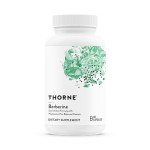
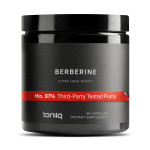
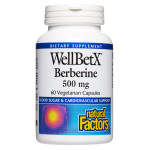
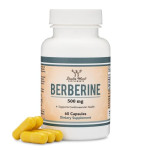
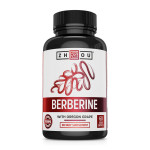
Best Berberine Supplements

Written by Supplements.org Editorial Team Reviewed by Supplements.org Research Team Updated April 2026

Top products

How our rating works

Our Supplement Rating is calculated from multiple data points: ingredient quality and form, label transparency, dosage strength relative to research-backed amounts, third-party testing availability, and value per serving. Products are ranked automatically — no brand pays for placement. Prices are pulled from major retailers and updated regularly. This system is designed to help you compare products more confidently, but it is not a substitute for professional medical advice.

TL;DR Quick verdict — the rest of the page is the why

Berberine is the most evidence-backed natural option for blood sugar and metabolic support, with effects often comparable to first-line glucose-lowering drugs in clinical trials. Choose a 500 mg berberine HCl capsule from a third-party tested brand and split the dose across meals.

  • Look for 500 mg of berberine HCl per capsule — the dose used in most studies
  • Take 2–3 times daily with food to reduce GI side effects
  • Avoid stacking with prescription blood-sugar medication without medical supervision
  • Expect noticeable changes in fasting glucose after 6–8 weeks of consistent use

Who is it for

Adults comparing berberine supplements for blood sugar and metabolic support

People building a metabolic-health supplement stack alongside diet and exercise changes

Users interested in evidence-based weight-management and appetite support

Shoppers who prefer capsule formulas with clear dosage and transparent labeling

Benefits

Blood sugar support

Berberine is one of the most researched natural compounds for blood sugar management. Clinical studies suggest it activates an enzyme called AMPK, which plays a key role in regulating glucose metabolism. Several trials have shown improvements in fasting blood glucose and HbA1c levels comparable to some pharmaceutical options.

Weight-management support

Research indicates berberine may support weight management through multiple pathways, including improving insulin signaling and influencing fat-regulating hormones like leptin and adiponectin. A 12-week study in Phytomedicine found that participants taking berberine experienced meaningful reductions in body mass index and waist circumference.

Cardiovascular support

Berberine has been studied for its potential to support healthy cholesterol and triglyceride levels. Multiple clinical trials report reductions in LDL cholesterol and triglycerides, with some studies showing improvements in HDL cholesterol as well. This makes it a popular addition to heart-health supplement stacks.

Gut health and microbiome

Emerging research suggests berberine may positively influence gut microbiome composition. Its antimicrobial properties have been studied in the context of intestinal health, and some researchers believe its metabolic benefits may be partially mediated through changes in gut bacteria populations.

How to take it

  1. 1

    The most common dosage in clinical studies is 500 mg taken two to three times per day, for a total of 1000–1500 mg daily. Check the serving size on your product label, as some brands require multiple capsules per serving.

  2. 2

    Take berberine with meals or shortly after eating. This may help reduce the digestive side effects that some users experience and could also improve absorption. Splitting the dose across meals helps maintain more consistent blood levels throughout the day.

  3. 3

    If you take blood sugar medication, blood pressure medication, or any prescription drugs metabolized by the liver, consult a healthcare professional before starting berberine. It can interact with several classes of pharmaceuticals, including statins and antibiotics.

What to look for

Clear berberine amount per serving — look for at least 500 mg of berberine HCl per capsule for straightforward dosing

Minimal fillers and unnecessary additives — a clean formula with a short ingredient list is easier to evaluate

Capsule count that matches the recommended daily serving — some products require 2–3 capsules per dose

Third-party testing or GMP certification — especially important since berberine quality can vary between plant sources

Value per serving, not just per bottle — compare the cost per 500 mg dose to get a fair price comparison across brands

Bioavailability enhancers like piperine (black pepper extract) — these can improve absorption but may also increase drug interaction potential

Side effects & safety

Common cautions

  • Berberine commonly causes gastrointestinal side effects including cramping, diarrhea, flatulence, and nausea, especially at higher doses or when taken on an empty stomach. Starting with a lower dose (500 mg/day) and gradually increasing may help reduce these effects.
  • Berberine can lower blood sugar significantly. People taking diabetes medications such as metformin, sulfonylureas, or insulin should use berberine only under medical supervision to avoid potentially dangerous hypoglycemia.
  • Berberine inhibits several cytochrome P450 enzymes (CYP3A4, CYP2D6) that metabolize common medications including statins, blood thinners, antidepressants, and immunosuppressants. This can increase drug levels in the blood and raise the risk of side effects.
  • Berberine should not be used during pregnancy or breastfeeding. Animal studies have shown potential harm to fetal development, and there is insufficient human safety data for these populations.

If you have existing medical conditions or take medication, consult a healthcare professional before use.

Berberine vs Chromium

Berberine
Main use case Broad metabolic support — blood sugar, cholesterol, and weight management
Evidence level Multiple clinical trials with 1000+ participants across meta-analyses
Typical dosage 500 mg two to three times daily with meals
Best for Users wanting comprehensive metabolic support with strong research backing
VS
Chromium
Main use case Targeted glucose metabolism support as an essential trace mineral
Evidence level Mixed results — some studies show modest benefits, others show none
Typical dosage 200–1000 mcg daily, usually as chromium picolinate
Best for Users wanting a simple, low-cost mineral add-on to an existing routine

Research highlights

Selected peer-reviewed studies that shape the current evidence base.

116 patients 2008

In adults with type 2 diabetes, berberine 500 mg three times daily reduced HbA1c by an average of 0.9% over 90 days — within the range typically achieved by oral hypoglycemic drugs.

63 patients 2012

Patients with hyperlipidemia taking berberine experienced significant drops in total cholesterol, LDL, and triglycerides, with no significant adverse effects on liver or kidney function over 12 weeks.

Dosage by goal

Doses below reflect amounts used in published clinical research. Always start at the lower end and increase gradually to limit GI side effects.

Goal Dose Notes
Blood sugar support 500 mg, 2–3× daily With meals; reassess after 8 weeks
Cholesterol / lipids 500 mg, 2× daily Pair with omega-3s for additive effect
Weight management 500 mg, 3× daily Combine with caloric deficit and resistance training
Starter / sensitive stomach 500 mg, 1× daily Increase by one capsule per week as tolerated
Maximum studied dose 1500 mg/day total Do not exceed without medical supervision

Berberine can interact with statins, blood thinners, and CYP3A4-metabolized drugs. Consult a healthcare professional if you take prescription medication.

FAQ

Berberine HCl (hydrochloride) is the most widely studied and commonly available form. It is used in the majority of clinical trials, which makes it the easiest form to evaluate based on existing research. Dihydroberberine is a newer option that may offer better absorption at lower doses, but it has significantly less published clinical evidence. For most people, berberine HCl remains the safest and most practical choice.

It depends on your goals. A standalone berberine product is better if you want to know exactly how much berberine you are getting and how your body responds to it. A blend that includes ingredients like chromium, cinnamon, or alpha lipoic acid may provide broader metabolic support, but it becomes harder to identify which ingredient is responsible for any effects you notice. If you are new to berberine, starting with a standalone formula is generally recommended.

Yes, gastrointestinal discomfort is the most commonly reported side effect. Symptoms may include cramping, bloating, diarrhea, or nausea — particularly during the first week of use or at higher doses. Taking berberine with food rather than on an empty stomach can significantly reduce these effects. Many users also find that starting with a lower dose (500 mg once daily) and gradually increasing over one to two weeks helps the body adjust.

Berberine is commonly combined with supplements like chromium, alpha lipoic acid, and omega-3 fatty acids. However, because berberine affects liver enzymes that process many substances, it is important to review your full supplement and medication routine with a healthcare professional. Berberine may also enhance the blood-sugar-lowering effect of other supplements, which could lead to hypoglycemia if not monitored.

Most clinical studies use a total daily dose of 1000–1500 mg, divided into two or three doses taken with meals. Starting at 500 mg once daily and increasing over a week or two is a common approach to minimize side effects. Do not exceed 1500 mg per day unless directed by a healthcare provider. Always follow the dosage instructions on your specific product label, as formulations vary.

AI consultant

This content is for informational purposes only and is not a substitute for professional medical advice. Consult a qualified healthcare provider before taking any supplement.