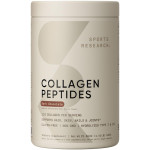
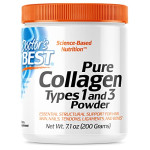
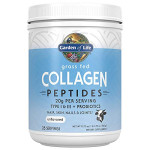
Best Collagen Supplements

Written by Supplements.org Editorial Team Reviewed by Supplements.org Research Team Updated April 2026

Top products

How our rating works

Our Supplement Rating is calculated from multiple data points: ingredient quality and form, label transparency, dosage strength relative to research-backed amounts, third-party testing availability, and value per serving. Products are ranked automatically — no brand pays for placement. Prices are pulled from major retailers and updated regularly. This system is designed to help you compare products more confidently, but it is not a substitute for professional medical advice.

Who is it for

Adults concerned with skin health, elasticity, and reducing visible signs of aging such as wrinkles and dryness

People experiencing joint pain, stiffness, or cartilage degradation who want a natural approach to joint support

Aging adults over 40 looking to maintain bone density, connective tissue integrity, and overall mobility

Athletes and active individuals seeking to support tendon and ligament recovery and reduce exercise-related joint discomfort

Benefits

Skin elasticity and hydration

Multiple randomized controlled trials have shown that hydrolyzed collagen peptides can significantly improve skin elasticity, hydration, and dermal collagen density. A 2019 systematic review in the Journal of Drugs in Dermatology found that supplementation with 2.5–10 g of collagen peptides daily for 8–12 weeks improved skin hydration, elasticity, and reduced wrinkle depth compared to placebo. These effects are attributed to collagen peptides stimulating fibroblasts to produce new collagen and elastin in the dermis.

Joint health and comfort

Collagen supplementation has demonstrated benefits for joint health in both athletes and individuals with osteoarthritis. A study published in Current Medical Research and Opinion found that participants taking 10 g of collagen hydrolysate daily for 24 weeks experienced significant reductions in joint pain during activity. Collagen peptides are believed to accumulate in cartilage tissue and stimulate chondrocytes to produce new cartilage matrix components.

Bone mineral density

Collagen makes up approximately 90% of the organic matrix of bone, and emerging research suggests that collagen peptide supplementation may support bone health. A 12-month randomized controlled trial published in Nutrients found that postmenopausal women taking 5 g of specific collagen peptides daily had significantly increased bone mineral density in the spine and femoral neck compared to placebo. These effects may be particularly relevant for aging populations at risk of osteoporosis.

Gut lining support

Collagen contains high concentrations of the amino acids glycine, proline, and glutamine, which play important roles in maintaining the integrity of the intestinal lining. While clinical research on collagen and gut health is still emerging, glycine has been shown to have anti-inflammatory properties in the gut, and preliminary studies suggest that collagen peptides may help support the mucosal barrier function. This makes collagen a supplement of interest for individuals with digestive concerns.

Forms explained

Hydrolyzed collagen peptides

Hydrolyzed collagen is the most common and well-studied supplemental form. The hydrolysis process breaks collagen protein into small peptides (typically 2–5 kDa) that are highly bioavailable and easily absorbed in the gut. Hydrolyzed collagen dissolves readily in hot or cold liquids and is available in powder, capsule, and liquid forms. Most clinical trials demonstrating benefits for skin and joints have used this form at doses of 2.5–15 g per day.

Undenatured type II collagen (UC-II)

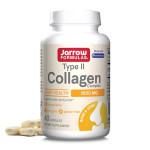
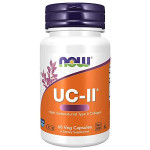
UC-II is a patented form of undenatured (native) type II collagen derived from chicken sternum cartilage. Unlike hydrolyzed collagen, UC-II works through a different mechanism — oral tolerance — where small doses (40 mg/day) modulate the immune response to reduce the inflammatory destruction of joint cartilage. A study in the International Journal of Medical Sciences found UC-II to be more effective than glucosamine plus chondroitin for knee osteoarthritis symptoms. UC-II is specifically targeted at joint health rather than skin or bone benefits.

Bone broth collagen

Bone broth collagen is derived from simmered animal bones and connective tissues, providing collagen along with naturally occurring minerals, hyaluronic acid, and glycosaminoglycans. While bone broth has a long history of traditional use, the collagen content and peptide profile can vary significantly between products. Bone broth collagen powders offer convenience but generally have less standardized collagen content compared to hydrolyzed peptides or UC-II. This form may appeal to those who prefer a whole-food-based approach.

How to take it

  1. 1

    For skin health and general anti-aging benefits, clinical studies have used 2.5–10 g of hydrolyzed collagen peptides daily, with most positive results seen at 5–10 g per day over 8–12 weeks. For joint health, 10–15 g of hydrolyzed collagen daily is commonly recommended, while UC-II requires only 40 mg per day due to its distinct mechanism of action. Start with a lower dose and increase gradually if needed.

  2. 2

    Hydrolyzed collagen peptides can be taken at any time of day with or without food, as they dissolve easily in both hot and cold beverages. Many people add collagen powder to their morning coffee, smoothie, or water. UC-II is typically recommended to be taken on an empty stomach or before bed for optimal immune modulation. Consistency of daily intake matters more than specific timing.

  3. 3

    Taking collagen alongside vitamin C is strongly recommended, as vitamin C is an essential cofactor for collagen synthesis in the body. Without adequate vitamin C, the body cannot properly form and stabilize new collagen fibers. A dose of 50–100 mg of vitamin C taken with your collagen supplement is sufficient. Some collagen products include vitamin C in their formulation for this reason.

Natural food sources

Most people benefit from supplemental collagen because dietary sources are limited and time-consuming to prepare. Use these as a baseline alongside a daily peptide dose.

Bone broth

~10 g protein / cup

Highest natural collagen source — simmer 12+ hours

Chicken skin and connective tissue

~3 g / 100 g

Rich in collagen — often discarded

Fish skin

High in marine collagen

Closest molecular profile to skin collagen

Egg whites (proline)

Cofactor source

Provides amino acids for endogenous synthesis

Citrus and bell peppers

Vitamin C cofactor

Required for the body's own collagen production

Beef gelatin

6 g / tbsp

Cheaper than peptides but lower bioavailability

Myths vs facts

Myth

Eating collagen directly rebuilds skin and joint collagen.

Fact

Ingested collagen is broken down into amino acids and peptides during digestion. Studies suggest these peptides signal fibroblasts to produce new collagen — but it is not "transferred" intact.

Myth

All collagen types work for skin and joints equally.

Fact

Type I and III peptides have the strongest evidence for skin elasticity and dermal density. Type II (often from chicken cartilage) is the form studied for joint comfort.

Myth

Marine collagen is always superior to bovine collagen.

Fact

Marine collagen has a slightly smaller molecular weight (1–3 kDa vs 3–5 kDa) and may absorb marginally faster, but clinical outcomes for skin and joint markers are comparable across sources.

Myth

You need to take collagen with food for it to work.

Fact

Bioactive collagen peptides are stable in stomach acid and absorb well on an empty stomach. Pairing with vitamin C may modestly support endogenous collagen synthesis.

Price tiers

Cost ranges across the market — and what you actually get at each level.

Budget

$0.30–0.60 / serving

Generic bovine collagen powder, usually 10 g per scoop with no added cofactors. Source country and grass-fed status not always disclosed.

Premium

$1.30+ / serving

Branded peptides (Verisol, Peptan, Naticol) used in published clinical trials. Studied at specific doses for measurable skin elasticity outcomes.

What to look for

Clearly stated collagen type (I, II, III, or a combination) and source (bovine, marine, chicken, or eggshell) — different types and sources serve different purposes

Hydrolyzed peptide form with a molecular weight under 5 kDa for optimal absorption — larger molecules are less bioavailable and harder for the body to utilize

Third-party testing for heavy metals, especially in marine collagen — fish-sourced collagen can accumulate environmental contaminants like mercury and lead

Minimal additives, artificial sweeteners, and fillers — unflavored collagen powders typically have the cleanest ingredient profiles

Dosage per serving that matches clinically studied amounts (5–15 g for hydrolyzed peptides or 40 mg for UC-II) — underdosed products are unlikely to deliver meaningful results

Pairing with vitamin C in the formula or your routine — vitamin C is essential for collagen synthesis, and some products include it for added convenience

FAQ

Most clinical studies showing significant skin benefits ran for 8–12 weeks of daily supplementation, with some participants reporting noticeable improvements in skin hydration as early as 4 weeks. Joint health benefits typically take longer to manifest, with studies showing meaningful reductions in joint pain after 12–24 weeks of consistent use. Bone density improvements require even longer timeframes, with one key study measuring results after 12 months. The key factor is daily consistency — sporadic use is unlikely to produce measurable results regardless of how long you take it.

Marine collagen and bovine collagen are both effective sources of type I collagen, which is the primary type found in skin and bones. Marine collagen peptides tend to have a slightly lower molecular weight, which may offer marginally better absorption, but clinical differences between the two sources are not well established. Marine collagen is often preferred by people who avoid beef for dietary or religious reasons, while bovine collagen is typically more affordable and widely available. The most important factor is the quality of hydrolysis and peptide size rather than the animal source itself.

Traditional diets that included bone broth, organ meats, and skin-on cuts of meat provided meaningful amounts of collagen. However, modern Western diets tend to be low in these foods, making supplementation a practical alternative. Bone broth can provide collagen, but the amount varies widely depending on preparation method, cooking time, and source, making it difficult to achieve the consistent daily doses used in clinical studies. Collagen supplements offer a standardized, convenient way to ensure you are getting a clinically relevant amount each day.

Some clinical evidence supports the use of collagen peptides for hair and nail health, although the research is less extensive than for skin and joints. A 2017 study published in the Journal of Cosmetic Dermatology found that women taking 2.5 g of specific bioactive collagen peptides daily for 24 weeks experienced a 12% increase in nail growth rate and a 42% decrease in broken nails. For hair, collagen provides amino acids like proline that are building blocks for keratin, the primary protein in hair. While promising, more large-scale studies are needed to confirm these benefits.

Yes, taking collagen with vitamin C is strongly recommended by researchers and practitioners. Vitamin C is an essential cofactor for the enzymes prolyl hydroxylase and lysyl hydroxylase, which are required for proper collagen synthesis and cross-linking in the body. Without adequate vitamin C, the body cannot effectively use the collagen peptides you consume to build new collagen fibers. A dose of 50–100 mg of vitamin C taken alongside your collagen supplement is sufficient to support this process. Some collagen products already include vitamin C in their formulation for this reason.

AI consultant

This content is for informational purposes only and is not a substitute for professional medical advice. Consult a qualified healthcare provider before taking any supplement.