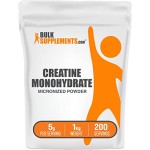
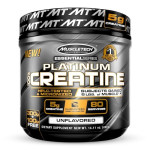
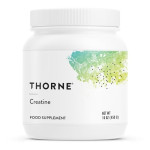
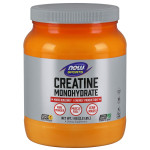
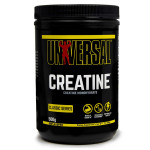
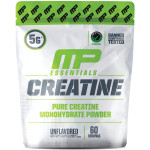
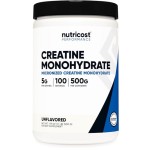
Best Creatine Supplements for Women

Written by Supplements.org Editorial Team Reviewed by Supplements.org Research Team Updated April 2026

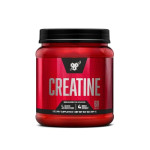
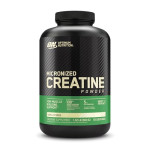
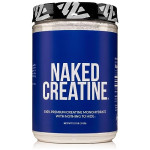
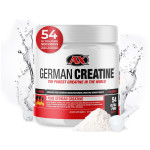
Top products

How our rating works

Our Supplement Rating is calculated from multiple data points: ingredient quality and form, label transparency, dosage strength relative to research-backed amounts, third-party testing availability, and value per serving. Products are ranked automatically — no brand pays for placement. Prices are pulled from major retailers and updated regularly. This system is designed to help you compare products more confidently, but it is not a substitute for professional medical advice.

TL;DR Quick verdict — the rest of the page is the why

Creatine monohydrate is one of the most researched and effective supplements for women — for strength, body composition, and increasingly for cognition and bone health. Common myths about water retention and "bulky" appearance are not supported by the evidence. Stick with monohydrate at 3–5 g/day, every day.

  • Plain creatine monohydrate is the gold standard — no need for fancier forms
  • 3–5 g daily, taken at any time, with no loading phase required
  • Water retention is intracellular (inside muscle cells) — not subcutaneous bloat
  • Emerging research suggests benefits for cognition, mood, and bone density in women

Who is it for

Active women who strength train, do HIIT, or participate in group fitness and want to improve performance and recovery

Women over 40 looking to preserve muscle mass, support bone health, and maintain cognitive sharpness as they age

Female athletes in competitive or endurance sports who need sustained energy output and faster recovery between sessions

Women seeking a leaner body composition through improved muscle-to-fat ratio without adding bulk or excessive water retention

Benefits

Lean muscle development and maintenance

Creatine increases phosphocreatine stores in muscle tissue, allowing women to train harder and recover faster. Research published in the Journal of the International Society of Sports Nutrition confirms that creatine supplementation combined with resistance training significantly improves lean body mass in women without causing the "bulky" appearance many fear. The effect is a firmer, more toned physique driven by improved workout quality.

Brain and cognitive function

The brain is one of the most metabolically active organs and relies heavily on ATP for function. Studies have shown that creatine supplementation can improve short-term memory, mental fatigue resistance, and cognitive processing speed. A 2018 study in Experimental Gerontology found that creatine particularly benefits cognitive performance in women under stress or sleep deprivation, making it valuable beyond the gym.

Bone health in postmenopausal women

Declining estrogen levels after menopause accelerate bone mineral density loss, increasing fracture risk. Research from the University of Saskatchewan found that creatine supplementation combined with resistance training helped preserve bone mineral density in postmenopausal women over a 12-month period. This makes creatine a practical addition to a bone health strategy alongside calcium and vitamin D.

Exercise performance and recovery

Creatine directly improves performance in short-duration, high-intensity activities such as sprinting, lifting, and interval training. For women, this translates to more productive workouts, greater training volume over time, and reduced muscle damage markers after exercise. Studies in female athletes have shown improved repeated sprint performance and reduced perception of effort during intense training blocks.

How to take it

  1. 1

    The recommended daily dose of creatine for women is 3–5 grams of creatine monohydrate per day. A loading phase (20 g/day for 5–7 days) is not necessary — consistent daily supplementation at 3–5 g will fully saturate muscle creatine stores within 3–4 weeks. Skipping the loading phase also avoids the temporary water retention and GI discomfort that some women experience with higher doses.

  2. 2

    Creatine can be taken at any time of day, with or without food. Some research suggests a slight advantage to taking creatine close to your workout — either before or after — due to increased blood flow and muscle uptake. Mixing creatine with a carbohydrate source (such as juice or a post-workout shake) may enhance absorption through insulin-mediated transport into muscle cells.

  3. 3

    Drink adequate water throughout the day when supplementing with creatine — aim for at least 2.5–3 liters daily. Creatine draws water into muscle cells, which is beneficial for performance but requires sufficient hydration. The common concern about bloating is largely a myth at standard doses; any initial water weight gain is intracellular (inside the muscle) rather than subcutaneous, meaning it does not create a puffy or swollen appearance.

Dosage by goal

Creatine doses for women in published research, with practical notes for each goal.

Goal Dose Notes
Maintenance / general use 3–5 g/day Take any time — daily consistency matters most
Strength and lean mass 5 g/day Pair with progressive resistance training for best results
Faster saturation (optional) 20 g/day for 5–7 days, then 5 g Loading phase is optional and may cause GI discomfort
Cognitive support 5 g/day Emerging evidence — benefits compound with consistent daily use
Pregnancy / breastfeeding Consult physician Limited safety data — not contraindicated but discuss first

Take with adequate water (2.5–3 L total daily intake). The hormonal cycle does not require dose changes.

Myths vs facts

Myth

Creatine makes women look bulky or masculine.

Fact

Creatine increases lean mass by 1–2 kg over months — primarily intracellular water and slow muscle gain. The "bulky" look requires sustained heavy training plus a calorie surplus, neither of which creatine alone causes.

Myth

Women need lower or different creatine doses than men.

Fact

Studies in women use the same 3–5 g/day dose. Women may actually have lower baseline creatine stores than men, meaning the relative benefit of supplementation can be larger.

Myth

Creatine causes bloating or visible water retention.

Fact

Water is pulled into muscle cells — not under the skin. The 0.5–1 kg scale increase in the first weeks is largely muscle hydration, not visible bloat.

Myth

You should cycle off creatine periodically.

Fact

There is no clinical reason to cycle creatine. Long-term studies (up to 5 years) show daily use is safe and effective. Cycling delays the saturation that drives results.

Buying checklist

Most "best creatine for women" marketing is just regular creatine monohydrate at a higher price. Use this list to skip the markup.

  • Form is creatine monohydrate — not HCl, ethyl ester, buffered, or "magnesium creatine chelate"
  • Creapure label or equivalent third-party verified source (>99.9% purity)
  • Single ingredient — no added "fat burners," stimulants, or proprietary blends
  • Unflavored powder if mixing into existing drinks; flavored only if you want a standalone shake
  • Cost per 5 g serving under $0.40 — anything above is paying for marketing, not quality
  • No "for women" pricing premium for the same monohydrate sold to men at lower cost

What to look for

Creapure or other branded creatine monohydrate — Creapure is manufactured in Germany under strict purity standards and is tested for contaminants like creatinine, dicyandiamide, and dihydrotriazine

Third-party testing certification (NSF Certified for Sport, Informed Sport, or USP) — this is especially important for female athletes subject to anti-doping regulations

Micronized powder for better solubility and mixability — micronized creatine dissolves more easily in water and reduces the gritty texture that some users find unpleasant

No unnecessary additives, artificial sweeteners, or fillers — many creatine products marketed to women include added ingredients that increase cost without adding benefit

Transparent single-ingredient label showing 3–5 g of creatine monohydrate per serving — avoid proprietary blends that obscure the actual creatine dose

Unflavored option if you plan to mix with smoothies, juice, or other supplements — flavored versions often contain sweeteners and colors that add unnecessary ingredients

Side effects & safety

Common cautions

  • The most common concern among women is water retention and bloating. At the recommended dose of 3–5 g/day (without a loading phase), significant water retention is uncommon. Any weight gain from creatine is typically 0.5–1 kg of intracellular water within muscle tissue, which actually contributes to a firmer appearance rather than a bloated one.
  • Creatine has been extensively studied for kidney safety in healthy individuals. A comprehensive review published in the Journal of the International Society of Sports Nutrition concluded that creatine supplementation does not impair kidney function in people without pre-existing renal conditions. Women with existing kidney disease should consult their doctor before starting creatine.
  • There is currently insufficient research on creatine supplementation during pregnancy and breastfeeding. While creatine is a naturally occurring compound found in meat and fish, most experts recommend discontinuing supplementation during pregnancy and lactation until more safety data is available. Always consult your healthcare provider for personalized guidance.
  • Creatine may interact with certain medications including NSAIDs, diuretics, and drugs that affect kidney function. Women taking prescription medications should discuss creatine supplementation with their healthcare provider. Additionally, caffeine in very high doses may reduce creatine uptake, though moderate coffee consumption does not appear to significantly interfere with its benefits.

If you have existing medical conditions or take medication, consult a healthcare professional before use.

Creatine Monohydrate vs Creatine HCl

Creatine Monohydrate
Research backing Over 500 studies — the most researched sports supplement ingredient in history
Typical dosage 3–5 g per day — well established and consistent across clinical trials
Solubility and mixability Moderate — micronized forms dissolve well but may leave slight residue
Cost per effective dose Very affordable — typically $0.03–$0.07 per serving for quality products
VS
Creatine HCl
Research backing Limited clinical research — most claims are based on solubility data, not performance outcomes
Typical dosage 1–2 g per day (manufacturer recommended) — not validated by independent research
Solubility and mixability High — dissolves easily in water with no gritty texture or residue
Cost per effective dose More expensive — typically $0.15–$0.30 per serving with no proven advantage

FAQ

No, creatine will not make you bulky. Women have significantly lower testosterone levels than men, which limits the potential for large muscle mass gains regardless of supplementation. Creatine helps improve workout quality and recovery, leading to a leaner, more toned physique over time. Any initial weight change is typically 0.5–1 kg of intracellular water within muscle cells, which creates a firmer appearance rather than a puffy or swollen look. Multiple studies in women have shown improvements in body composition — more lean mass and less fat — without any bulking effect.

Bloating from creatine is largely a myth when taken at recommended doses of 3–5 grams per day without a loading phase. The bloating concern originates from older protocols that used 20 g/day loading doses, which can cause temporary gastrointestinal discomfort in some people. At standard daily doses, creatine draws water into muscle cells (intracellular), not under the skin (subcutaneous), so it does not produce visible bloating. If you experience any initial digestive discomfort, try taking creatine with food or splitting the dose into two smaller servings throughout the day.

Yes, creatine is one of the most extensively studied supplements for long-term safety. Research spanning over 30 years has found no adverse health effects in healthy individuals taking 3–5 g/day. Studies lasting up to five years have shown no negative impact on kidney function, liver health, or hormonal balance in women. The International Society of Sports Nutrition has issued a position stand confirming creatine as safe and effective for long-term use. However, women who are pregnant, breastfeeding, or have pre-existing kidney conditions should consult their doctor before supplementing.

No, a loading phase is not necessary for women. While a loading protocol (20 g/day for 5–7 days) can saturate muscle creatine stores faster, it often causes temporary water retention and digestive discomfort that discourages continued use. Taking a consistent daily dose of 3–5 g will achieve full muscle saturation within approximately 3–4 weeks with minimal side effects. Research shows that the end result — fully saturated creatine stores and performance benefits — is the same whether you load or not. Skipping the loading phase is the preferred approach for most women.

Absolutely. While creatine is well known in the strength and sports world, its benefits extend far beyond athletic performance. Research shows that creatine supports cognitive function, mental clarity under stress, and bone mineral density — benefits that are relevant to all women, not just athletes. Women over 40 may particularly benefit from creatine to help maintain muscle mass, support bone health during and after menopause, and improve brain energy metabolism. Even women who only do moderate exercise like walking, yoga, or Pilates can benefit from the recovery and cellular energy support that creatine provides.

AI consultant

This content is for informational purposes only and is not a substitute for professional medical advice. Consult a qualified healthcare provider before taking any supplement.