
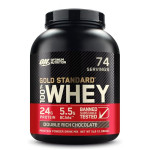
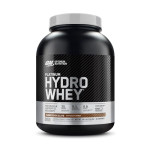
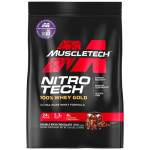
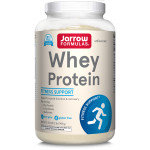
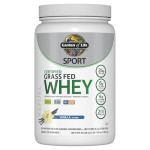
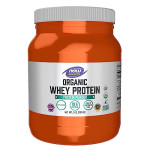
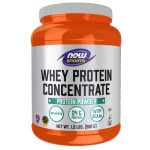
Best Protein Powders for Muscle Gain

Written by Supplements.org Editorial Team Reviewed by Supplements.org Research Team Updated April 2026
TL;DR Quick verdict — the rest of the page is the why

For most people training to build muscle, a quality whey concentrate at 25–30 g of protein per serving is the best starting point. Upgrade to whey isolate if you have lactose sensitivity or are tracking macros tightly. Total daily protein matters more than timing.

  • Aim for 1.6–2.2 g of protein per kg of body weight per day from all sources combined
  • 20–40 g of high-quality protein per serving is the sweet spot for muscle protein synthesis
  • Whey concentrate gives the best price per gram of protein
  • Third-party testing (NSF, Informed Sport) is critical for competitive athletes

Who is it for

Athletes and gym-goers doing resistance training who want to maximize muscle protein synthesis

People who struggle to meet the recommended 1.6–2.2 g/kg daily protein target through whole food alone

Users comparing protein powders for post-workout recovery and reduced muscle soreness

Shoppers who want a clear, data-driven comparison of protein types, amino acid profiles, and value per serving

Benefits

Muscle growth support

Whey protein provides a concentrated source of all essential amino acids, including leucine — the primary trigger for muscle protein synthesis. Studies show that 20–40 g of high-quality protein after resistance training can maximize the muscle-building response. Whey is absorbed faster than most other protein sources, making it particularly effective in the post-workout window.

Post-workout recovery

Protein supplementation after training helps repair exercise-induced muscle damage and reduces delayed-onset muscle soreness (DOMS). A 2017 systematic review in the British Journal of Sports Medicine found that protein supplementation reduced recovery time and improved subsequent exercise performance, especially when consumed within several hours of training.

Convenient daily protein

Meeting a daily protein target of 1.6–2.2 g/kg through food alone requires careful meal planning. A single scoop of protein powder delivers 20–30 g of protein with minimal preparation. This is especially useful on busy days, between meals, or when appetite is low after intense training sessions.

Body composition support

Higher protein intake supports lean mass preservation during calorie-restricted periods. Research shows that increasing protein intake while dieting helps minimize muscle loss and maintain metabolic rate. Protein powder makes it easier to keep protein high even when total calories are reduced.

Forms explained

Whey Concentrate

The most common and affordable form, typically containing 70–80% protein by weight. Whey concentrate retains more of the naturally occurring fats, lactose, and bioactive compounds like immunoglobulins and lactoferrin. It is a solid choice for most people who tolerate dairy well and want a cost-effective option for daily use.

Whey Isolate

A more refined form processed to contain 90%+ protein by weight with minimal fat and lactose. Whey isolate is the better option for people with mild lactose sensitivity, those tracking macros closely, or anyone who wants maximum protein per calorie. It typically costs 15–30% more than concentrate but offers a cleaner nutritional profile.

Whey Hydrolysate

Pre-digested whey protein that has been broken down into smaller peptides for faster absorption. Hydrolysate is used by competitive athletes who want the quickest possible delivery of amino acids after training. However, it tends to have a more bitter taste and a higher price point, and research has not demonstrated a significant muscle-building advantage over isolate for most users.

How to take it

  1. 1

    Aim for 20–40 g of protein per serving, depending on your body weight and training intensity. Research suggests that 0.4–0.55 g/kg per meal across 3–4 meals per day optimizes muscle protein synthesis. Check the label to see how many scoops deliver the target amount.

  2. 2

    Timing is less critical than total daily intake. However, consuming protein within a few hours of resistance training — either before or after — is a practical approach supported by research. Mixing with water is lower in calories; mixing with milk adds roughly 8 g of extra protein and improves taste and texture.

  3. 3

    If you experience bloating or gas with whey concentrate, try switching to an isolate or hydrolysate with lower lactose content. Users with confirmed dairy allergies should avoid all whey-based products and consider plant-based alternatives instead.

When to expect results

Most users report changes on the timeline below. Individual response varies based on dosage, baseline status, and consistency.

  1. Week 1–2

    Hitting the protein target consistently

    Focus shifts to total daily intake. Most users notice better satiety, easier appetite control, and faster recovery between training sessions.

  2. Week 3–4

    Training capacity improves

    Better recovery means more productive sessions. Strength typically increases on key lifts as the body adapts to higher protein availability.

  3. Week 6–8

    Visible body composition changes

    In a calorie surplus with progressive resistance training, muscle gain becomes measurable on the scale and in the mirror — typically 0.25–0.5 kg of lean tissue per month.

  4. 12 weeks +

    Hypertrophy compounds

    Sustained training with adequate protein delivers the bulk of long-term gains. Programming, sleep, and load progression now matter as much as nutrition.

Smart stacking

What pairs well — and what to keep separate.

+

Pairs well with

  • Creatine monohydrate Most studied combo for strength and lean mass. 3–5 g/day works synergistically with protein for hypertrophy.
  • Carbohydrates post-workout Adding 30–60 g of fast carbs to a protein shake speeds glycogen replenishment for athletes training daily.
  • Vitamin D3 Adequate vitamin D (2000–4000 IU/day) supports muscle function and testosterone, especially during winter months.

Avoid combining with

  • BCAAs alongside complete protein Redundant and an inferior amino source — whey already contains all BCAAs in optimal ratios.
  • High-fat meals immediately around training Slows protein absorption when you specifically want fast amino acid delivery post-workout.

Price tiers

Cost ranges across the market — and what you actually get at each level.

Budget

$0.40–0.80 / serving

Generic whey concentrate from established brands. Quality is usually fine for non-competitive users — flavor and mixability vary more than nutrition.

Premium

$1.50+ / serving

Hydrolysates, native whey, or specialty blends with added digestive enzymes, MCTs, or branded ingredients. Marginal performance benefits over mid-range.

What to look for

At least 20–25 g of protein per serving with a short ingredient list — fewer fillers means more of what you are paying for

High leucine content (at least 2–3 g per serving) — leucine is the key amino acid that triggers muscle protein synthesis

Low added sugar (under 3 g per serving) and minimal artificial sweeteners — check the nutrition facts, not just the marketing claims

Third-party testing from organizations like NSF Certified for Sport or Informed Sport — this verifies label accuracy and screens for banned substances

Good value per gram of protein, not just per container — compare cost per 25 g serving across brands for a fair assessment

Mixability and taste reviews from real users — a powder you dislike drinking will not get used consistently regardless of its nutritional profile

Side effects & safety

Common cautions

  • Whey protein is generally well tolerated by healthy adults. The most common side effects are digestive — bloating, gas, or cramping — particularly in people with lactose sensitivity. Switching from concentrate to isolate or hydrolysate usually resolves these issues.
  • High protein intake from any source puts additional load on the kidneys. People with existing kidney disease or impaired kidney function should consult a healthcare professional before using protein supplements. For healthy adults, intakes up to 2.2 g/kg per day have not been shown to cause kidney damage in clinical research.
  • Some protein powders contain heavy metals (lead, arsenic, cadmium) at low levels due to sourcing and manufacturing processes. Choosing products with third-party testing certifications reduces this risk. The Clean Label Project publishes independent testing results for many popular protein brands.
  • Protein supplements should complement a balanced diet, not replace whole food sources. Relying exclusively on protein powder for your protein needs means missing out on the vitamins, minerals, and other nutrients found in meat, fish, eggs, and legumes.

If you have existing medical conditions or take medication, consult a healthcare professional before use.

FAQ

Whey protein is the most researched and widely recommended protein source for muscle building. It contains all essential amino acids in high concentrations, is rapidly digested, and has the highest leucine content among common protein sources. Whey isolate offers the most protein per calorie, while concentrate is more affordable and still highly effective. For most people doing resistance training, any high-quality whey product will support muscle growth when combined with adequate total daily protein intake.

This depends on your total daily protein needs and how much you get from food. Research supports 1.6–2.2 g of protein per kilogram of body weight per day for muscle building. For a 80 kg person, that means 128–176 g daily. If you get 100 g from food, one to two scoops of protein powder (25–50 g) can fill the gap. Taking more than 40 g in a single serving does not appear to further increase muscle protein synthesis in most studies.

Total daily protein intake matters more than exact timing. The idea of a narrow "anabolic window" immediately after training has been largely debunked by recent research — the window is several hours wide, not 30 minutes. That said, consuming protein within a few hours of training (before or after) is still a practical and effective approach. Distributing protein evenly across 3–4 meals throughout the day appears to optimize muscle protein synthesis better than loading it into one or two large meals.

Yes, digestive discomfort is the most common complaint — especially bloating, gas, and cramping. This is usually caused by the lactose in whey concentrate. Switching to whey isolate or hydrolysate, which have minimal lactose, typically resolves the issue. Other causes can include artificial sweeteners (sucralose, sugar alcohols), thickeners (carrageenan, xanthan gum), or simply consuming too much protein in a single serving. If problems persist with all whey products, a plant-based protein may be a better option.

Yes, for healthy adults, daily use of protein powder is safe and well-supported by research. Protein powders are food products, not drugs — whey is derived from milk during cheese production. Long-term studies in healthy populations have not shown adverse effects from protein intakes up to 2.2 g/kg per day. However, people with pre-existing kidney disease should consult a doctor, and everyone should aim to get the majority of their nutrition from whole foods rather than relying exclusively on supplements.

AI consultant

This content is for informational purposes only and is not a substitute for professional medical advice. Consult a qualified healthcare provider before taking any supplement.