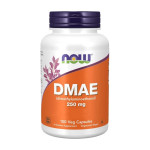
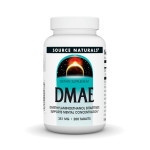
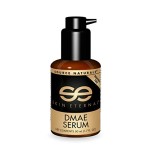
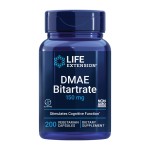
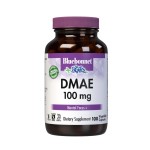
Best DMAE Supplements

Written by Supplements.org Editorial Team Reviewed by Supplements.org Research Team Updated April 2026

Top products

How our rating works

Our Supplement Rating is calculated from multiple data points: ingredient quality and form, label transparency, dosage strength relative to research-backed amounts, third-party testing availability, and value per serving. Products are ranked automatically — no brand pays for placement. Prices are pulled from major retailers and updated regularly. This system is designed to help you compare products more confidently, but it is not a substitute for professional medical advice.

Who is it for

Adults looking to support memory, focus, and overall cognitive performance as part of a nootropic regimen

Individuals experiencing age-related cognitive decline who want a well-studied acetylcholine precursor

People interested in skin health benefits, including improved firmness and reduced appearance of fine lines

Students and professionals seeking sustained mental clarity and attention during demanding tasks

Benefits

Cognitive function and memory

DMAE supports the production of acetylcholine, a neurotransmitter essential for memory formation and recall. Research published in Psychopharmacology suggested that DMAE supplementation may enhance working memory and reduce error rates during cognitive tasks. By contributing to phosphatidylcholine synthesis, DMAE also supports the structural integrity of neuronal cell membranes, which is important for efficient signal transmission.

Focus and attention

Studies on DMAE have reported improvements in sustained attention and vigilance. An EEG study published in the European Journal of Medical Research found that DMAE supplementation was associated with changes in brain electrical activity consistent with increased alertness and reduced theta wave patterns linked to drowsiness. These effects make DMAE a popular choice among individuals seeking non-stimulant support for concentration during mentally demanding work.

Skin health and firmness

DMAE has been studied for its effects on skin appearance, particularly regarding firmness and tone. A clinical study published in the American Journal of Clinical Dermatology found that topical application of DMAE gel produced a firming effect on facial skin and reduced the appearance of fine lines over a 16-week period. Oral DMAE supplementation is believed to offer similar benefits by supporting phospholipid production in skin cell membranes.

Mood and emotional well-being

Through its influence on acetylcholine and its potential effects on other neurotransmitter pathways, DMAE has been associated with improvements in mood and emotional stability. Some early clinical observations noted reductions in irritability and mild anxiety symptoms in individuals taking DMAE. While more rigorous modern trials are needed, the existing evidence suggests a mild mood-supportive effect that may complement its cognitive benefits.

How to take it

  1. 1

    The most common supplemental dose of DMAE bitartrate ranges from 150 mg to 350 mg per day, though some studies have used doses up to 600 mg daily. It is generally recommended to start at the lower end of the range and increase gradually to assess individual tolerance. The amount of free DMAE in bitartrate form is approximately 37% of the total weight, so 350 mg of DMAE bitartrate provides roughly 130 mg of active DMAE.

  2. 2

    DMAE is typically taken in the morning or early afternoon, as some users report increased alertness that could interfere with sleep if taken too late in the day. It can be taken with or without food, although taking it with a meal that contains dietary fat may support absorption since DMAE is involved in phospholipid metabolism. Splitting the dose into two smaller servings (morning and midday) is another common approach.

  3. 3

    DMAE may interact with acetylcholinesterase inhibitors and other cholinergic medications, so individuals taking drugs for Alzheimer's disease or myasthenia gravis should consult a healthcare provider before use. Pregnant and breastfeeding women should avoid DMAE supplementation, as early research raised concerns about potential effects on fetal development. Most users tolerate DMAE well, but discontinue use if you experience headaches, muscle tension, or insomnia.

Dosage by goal

DMAE doses in the literature range widely depending on the goal. Start at the low end — DMAE can cause overstimulation or headaches at higher doses.

Goal Dose Notes
Cognitive support / focus 100–300 mg/day Take in the morning to avoid sleep interference
Mood and motivation 300–500 mg/day Split into two doses with breakfast and lunch
Skin / topical use Topical formulations Oral DMAE has limited skin-firming evidence
Stack with other nootropics 100–200 mg/day Lower doses preferred when combining

DMAE is not recommended during pregnancy, breastfeeding, or for people with bipolar disorder, epilepsy, or Parkinson's disease.

Smart stacking

What pairs well — and what to keep separate.

+

Pairs well with

  • Alpha-GPC or CDP-choline Provides choline directly — pairs well with DMAE's upstream cholinergic support for focus stacks.
  • Acetyl-L-carnitine Often combined for mental energy and acetylcholine synthesis support.
  • L-theanine (100–200 mg) Smooths the slightly stimulating edge some users experience from DMAE.

Avoid combining with

  • Other strong stimulants late in the day DMAE can be subtly activating. Combining with caffeine or yohimbine after noon may disrupt sleep.
  • Anticholinergic medications DMAE's mechanism involves cholinergic pathways that can interact with antihistamines, some antidepressants, and bladder medications.

Myths vs facts

Myth

DMAE directly converts into acetylcholine in the brain.

Fact

DMAE is a precursor to choline but the conversion pathway is indirect. Most cognitive effects appear modest and are best supported by stacking with a direct choline source.

Myth

Higher DMAE doses always mean stronger focus effects.

Fact

Above 500 mg/day, many users report headaches, jaw tension, and overstimulation rather than additional cognitive benefit.

Myth

DMAE is FDA-approved for memory or anti-aging claims.

Fact

DMAE is sold as a dietary supplement only. The FDA has not evaluated it for treating any specific condition, and several previous OTC drug formulations were withdrawn for lack of efficacy data.

What to look for

Clear labeling of DMAE bitartrate content per serving — knowing the exact dose allows you to compare products and match clinical study amounts

Third-party testing for purity and contaminants — independent verification ensures the product contains what the label claims without harmful impurities

Minimal fillers, artificial colors, and unnecessary additives — a clean formula reduces the risk of unwanted reactions and makes it easier to identify what you are consuming

Transparent ingredient list with no proprietary blends — you should be able to see exactly how much DMAE is in each serving without guessing

GMP-certified manufacturing facility — this ensures the product was made under standardized quality control conditions that meet regulatory requirements

Suitable delivery format for your routine — capsules are convenient for daily use, while liquid forms may offer faster absorption for some users

Side effects & safety

Common cautions

  • DMAE is generally well tolerated at standard doses (150–350 mg/day of DMAE bitartrate). The most commonly reported side effects are mild and include headaches, muscle tension in the jaw or neck, and gastrointestinal discomfort. These effects typically resolve by reducing the dose or taking the supplement with food.
  • Pregnant and breastfeeding women should avoid DMAE supplements. An animal study published in Teratogenesis, Carcinogenesis, and Mutagenesis raised concerns that DMAE could interfere with choline metabolism during fetal development, potentially affecting neural tube formation. Until human safety data is available, avoidance during pregnancy is the prudent approach.
  • Individuals with bipolar disorder, epilepsy, or other seizure-related conditions should use DMAE with caution, as cholinergic compounds can theoretically lower the seizure threshold. While clinical reports of DMAE-induced seizures are rare, the potential mechanism warrants medical consultation before use in these populations.
  • DMAE may interact with cholinergic medications, including donepezil and rivastigmine, by amplifying acetylcholine-related effects. If you are taking any prescription medications that affect the cholinergic system, consult your healthcare provider before adding DMAE to your supplement regimen.

If you have existing medical conditions or take medication, consult a healthcare professional before use.

FAQ

DMAE serves as a precursor to acetylcholine, a neurotransmitter that is critical for memory, learning, and attention. By supporting acetylcholine production, DMAE may help improve cognitive function and mental clarity. It also contributes to the synthesis of phosphatidylcholine, a major component of cell membranes in the brain, which helps maintain the structural integrity of neurons. While the effects are generally considered milder than those of direct choline donors like Alpha-GPC, many users report noticeable improvements in focus and working memory over several weeks of consistent use.

DMAE and choline are both involved in acetylcholine production, but they work through different pathways. Choline is a direct precursor — the body converts it into acetylcholine in a single enzymatic step. DMAE, on the other hand, is first methylated to form choline before being converted to acetylcholine, making it an indirect precursor. This difference means that choline supplements like Alpha-GPC or CDP-choline typically have a more potent and immediate effect on acetylcholine levels. DMAE offers additional benefits through its role in phosphatidylcholine production and cell membrane stabilization, which may be relevant for both brain and skin health.

Research suggests that DMAE can have a firming effect on skin. A controlled clinical trial published in the American Journal of Clinical Dermatology found that topical DMAE gel applied daily improved facial skin firmness and reduced fine lines over 16 weeks compared to placebo. The mechanism is thought to involve DMAE's effect on cell membrane stability and its potential to cause mild, sustained muscle contraction in the skin. Oral DMAE supplements may offer similar but less pronounced effects by supporting phospholipid synthesis from within. For best results, many dermatologists suggest combining oral and topical approaches.

DMAE is generally considered safe for daily use at standard doses of 150–350 mg of DMAE bitartrate. Most clinical studies have used DMAE for periods of several weeks to a few months without reporting serious adverse effects. The most common side effects are mild and include headaches, jaw tension, and occasional insomnia if taken late in the day. However, long-term safety data beyond a few months is limited, so some practitioners recommend periodic breaks. Pregnant women, individuals with seizure disorders, and those on cholinergic medications should avoid DMAE or consult a physician before use.

Most users take DMAE in the morning or early afternoon to align with its alertness-promoting effects. Taking it too close to bedtime may interfere with sleep in some individuals, as increased acetylcholine activity is associated with wakefulness and mental arousal. If you experience any stimulatory effects, moving your dose earlier in the day usually resolves the issue. Taking DMAE with a meal containing some dietary fat may improve absorption, since DMAE is involved in phospholipid metabolism. Some users split their daily dose between morning and midday for more even cognitive support throughout the day.

AI consultant

This content is for informational purposes only and is not a substitute for professional medical advice. Consult a qualified healthcare provider before taking any supplement.