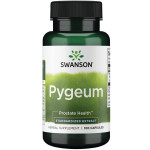
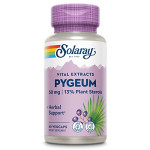
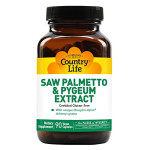
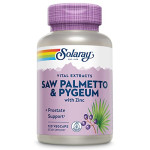
Best Pygeum Supplements

Written by Supplements.org Editorial Team Reviewed by Supplements.org Research Team Updated April 2026

Top products

How our rating works

Our Supplement Rating is calculated from multiple data points: ingredient quality and form, label transparency, dosage strength relative to research-backed amounts, third-party testing availability, and value per serving. Products are ranked automatically — no brand pays for placement. Prices are pulled from major retailers and updated regularly. This system is designed to help you compare products more confidently, but it is not a substitute for professional medical advice.

Who is it for

Men experiencing early signs of benign prostatic hyperplasia (BPH) such as frequent urination, weak stream, or incomplete bladder emptying

Men over 50 looking for a natural, evidence-based supplement to support long-term prostate health

Individuals seeking relief from nocturia (nighttime urination) that disrupts sleep quality

Men who want to complement their prostate health regimen with a well-researched botanical extract alongside lifestyle modifications

Benefits

Prostate health support

Pygeum bark extract has been shown to inhibit the proliferation of prostatic cells and reduce prostate-specific growth factors. The phytosterols in pygeum, particularly beta-sitosterol, help modulate hormonal activity in prostate tissue by inhibiting 5-alpha-reductase and blocking dihydrotestosterone (DHT) binding. A 2002 study in Current Therapeutic Research found that pygeum extract at 100 mg/day significantly improved International Prostate Symptom Scores (IPSS) over a 60-day period.

Urinary function improvement

Clinical trials have consistently demonstrated that pygeum extract improves objective measures of urinary function. A Cochrane review reported that men taking pygeum were more than twice as likely to report improvement in overall urinary symptoms compared to those on placebo. Specific improvements include increased peak urinary flow rate, reduced residual urine volume after voiding, and decreased urinary frequency during both daytime and nighttime hours.

Anti-inflammatory activity

The pentacyclic triterpenes in pygeum bark, including ursolic acid and oleanolic acid, exhibit significant anti-inflammatory effects by inhibiting the cyclooxygenase (COX) and lipoxygenase (LOX) enzyme pathways. This dual inhibition helps reduce prostatic inflammation and edema, which are common contributors to BPH-related symptoms. The ferulic acid esters in pygeum also reduce levels of inflammatory prostaglandins within prostate tissue.

Bladder function and comfort

Pygeum extract has been shown to improve bladder contractility and reduce bladder hypersensitivity in men with lower urinary tract symptoms. Research suggests that pygeum helps restore normal detrusor muscle function, which can be impaired by chronic prostatic obstruction. These effects contribute to more complete bladder emptying, reduced urgency, and greater comfort throughout the day and night.

How to take it

  1. 1

    The standard clinical dosage of pygeum bark extract is 100–200 mg per day of a product standardized to 13–14% total sterols. This can be taken as 100 mg once daily or 50 mg twice daily — both dosing regimens have been used successfully in clinical trials. Most studies showing significant improvement in urinary symptoms used the 100 mg/day dose over periods of 30 to 60 days.

  2. 2

    Pygeum extract is generally taken with meals to improve absorption of its lipophilic (fat-soluble) compounds and reduce the likelihood of mild gastrointestinal discomfort. There is no strong evidence favoring a specific time of day for dosing, so it can be taken at whichever mealtime is most convenient. Consistency is more important than timing — daily use over several weeks is necessary to achieve meaningful results.

  3. 3

    Pygeum is not known to have significant interactions with most common medications, but men taking alpha-blockers, 5-alpha-reductase inhibitors, or anticoagulant medications should consult a healthcare provider before starting supplementation. If using pygeum as part of a combination prostate supplement, check for overlapping ingredients to avoid exceeding recommended intake levels of any single compound. Most clinical trials lasted 60 days, though some men may benefit from longer-term use under professional guidance.

What to look for

Standardization to 13–14% total sterols (as beta-sitosterol) — this matches the extract composition used in the majority of positive clinical trials

A daily dose of 100–200 mg of standardized extract — products providing less may not deliver clinically relevant amounts of active compounds

Sustainably sourced Prunus africana bark — pygeum is a threatened species (CITES Appendix II), so responsible sourcing practices are an important consideration

Third-party testing for purity, heavy metals, and contaminant levels — bark extracts can carry environmental contaminants, making independent verification valuable

Clear labeling that distinguishes between raw bark powder and standardized extract — the two forms differ significantly in potency and are not interchangeable at the same dose

Capsule count providing at least a 30–60 day supply at the studied dose — shorter supplies increase per-serving cost and require more frequent reordering

Side effects & safety

Common cautions

  • Pygeum bark extract is generally well tolerated at standard doses of 100–200 mg per day. The most common side effects are mild gastrointestinal symptoms including nausea, stomach pain, diarrhea, and constipation. These effects are typically transient and can often be minimized by taking pygeum with food.
  • Men taking prescription medications for BPH (such as tamsulosin, finasteride, or dutasteride) should consult their physician before adding pygeum, as the combination may have additive effects on urinary function or hormonal pathways. Similarly, because pygeum contains compounds that may influence blood clotting, those on anticoagulant or antiplatelet therapy should seek medical advice.
  • Pygeum has not been studied in women who are pregnant or breastfeeding, and its hormonal activity makes it unsuitable for use during pregnancy. Because pygeum is primarily used for prostate-related conditions, it is generally not recommended for women or children unless specifically directed by a qualified healthcare provider.
  • While pygeum has a long history of traditional use and a favorable safety profile in clinical trials lasting up to 12 months, individuals with known allergies to plants in the Rosaceae family (cherries, plums, almonds) should exercise caution. Discontinue use and consult a healthcare professional if you experience any unusual symptoms such as skin rash, difficulty breathing, or severe digestive upset.

If you have existing medical conditions or take medication, consult a healthcare professional before use.

Research highlights

Selected peer-reviewed studies that shape the current evidence base.

209 patients 1999

Standardized pygeum extract (100 mg/day) improved nocturia and peak urinary flow rate in men with mild-to-moderate BPH symptoms over 8 weeks of supplementation.

Myths vs facts

Myth

Pygeum works overnight if you take a high enough dose.

Fact

Clinical trials consistently show benefits emerge after 6–8 weeks of consistent daily use. Higher doses do not appear to accelerate this timeline.

Myth

All pygeum extracts are interchangeable.

Fact

Standardization to phytosterols (≥13%) and ferulic esters matters significantly. Generic non-standardized bark powders often do not match clinical results.

Myth

Pygeum is only useful for older men with diagnosed BPH.

Fact

Some research suggests benefits for general urinary comfort and inflammation in men over 40, even without a BPH diagnosis — but clinical evidence is strongest in BPH populations.

FAQ

Most clinical trials showing significant improvement in urinary symptoms used pygeum extract for 30 to 60 days before measuring outcomes. Some men report noticeable improvements in urinary flow and nighttime frequency within the first two to four weeks, while others may need the full 60-day period. The Cochrane review noted that the majority of positive results occurred in studies lasting at least 30 days. For best results, pygeum should be taken consistently every day rather than on an as-needed basis. If you do not notice any improvement after 8 weeks of consistent use at the recommended dose, consult your healthcare provider to discuss alternatives.

Yes, pygeum and saw palmetto are frequently combined in prostate health supplements and the combination is generally considered safe. The two extracts work through somewhat different mechanisms — pygeum primarily targets inflammation and prostatic growth factors, while saw palmetto focuses on DHT reduction — so they may offer complementary benefits. Some clinical studies have evaluated combination formulas containing both ingredients and found improved outcomes compared to either ingredient alone. However, be sure to verify that each ingredient is present at a clinically meaningful dose, as combination products sometimes underdose individual components. As always, consult your doctor if you are taking prescription prostate medications.

Clinical trials have studied pygeum bark extract for periods ranging from 30 days to 12 months with a generally favorable safety profile. The most commonly reported side effects across trials were mild gastrointestinal complaints, which occurred at rates similar to placebo in several studies. The Cochrane systematic review found no serious adverse events attributable to pygeum in the trials analyzed. However, very long-term studies beyond 12 months are limited, so periodic check-ins with a healthcare provider are advisable for ongoing use. Men taking pygeum long-term should continue regular prostate health screenings as recommended by their physician.

There is limited direct evidence that pygeum supplementation significantly lowers prostate-specific antigen (PSA) levels. Some studies have observed modest reductions in PSA alongside improvements in urinary symptoms, but this has not been a primary endpoint in most pygeum clinical trials. It is important to understand that pygeum is not a substitute for medical evaluation of elevated PSA levels, which can indicate various prostate conditions including BPH, prostatitis, or prostate cancer. If your PSA levels are elevated or rising, work with your physician to determine the appropriate diagnostic and treatment approach. Do not use pygeum or any supplement to try to artificially lower PSA before screening tests.

Pygeum bark powder is simply ground dried bark that contains the full range of plant compounds but at relatively low and variable concentrations. Standardized pygeum extract is a concentrated preparation processed to contain a guaranteed minimum percentage of active compounds — typically 13–14% total sterols including beta-sitosterol. The standardized extract delivers substantially more of the bioactive compounds per milligram than raw bark powder, which is why clinical trial doses of extract (100–200 mg) are much lower than what would be needed with plain bark powder. When choosing a product, look for standardized extract to ensure you are getting a dose consistent with the clinical research. Products listing only "pygeum bark" without specifying standardization may contain insufficient levels of active compounds.

AI consultant

This content is for informational purposes only and is not a substitute for professional medical advice. Consult a qualified healthcare provider before taking any supplement.