
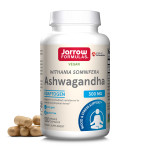
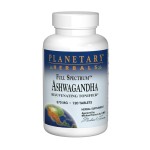
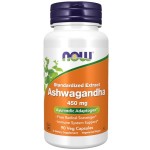
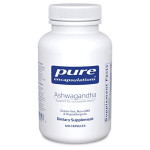
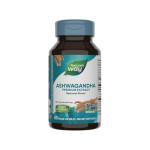
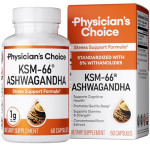
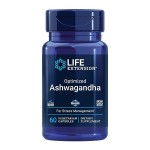
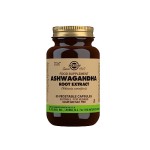
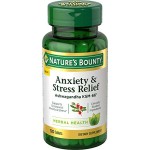
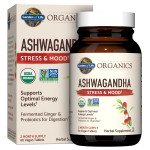
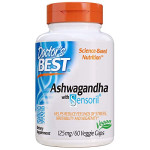
Best Ashwagandha Supplements for Men

Written by Supplements.org Editorial Team Reviewed by Supplements.org Research Team Updated April 2026

Top products

How our rating works

Our Supplement Rating is calculated from multiple data points: ingredient quality and form, label transparency, dosage strength relative to research-backed amounts, third-party testing availability, and value per serving. Products are ranked automatically — no brand pays for placement. Prices are pulled from major retailers and updated regularly. This system is designed to help you compare products more confidently, but it is not a substitute for professional medical advice.

Who is it for

Men looking to support healthy testosterone levels naturally alongside training and diet

Adults dealing with chronic stress, elevated cortisol, or stress-related fatigue and sleep issues

Athletes and gym-goers seeking improved strength, endurance, and post-workout recovery

Men over 30 who want an evidence-based adaptogen to support overall vitality and energy

Benefits

Stress and cortisol reduction

Ashwagandha is one of the most clinically validated adaptogens for lowering cortisol. A 2012 study in the Indian Journal of Psychological Medicine found that participants taking 300 mg of KSM-66 twice daily experienced a 28% reduction in serum cortisol levels over 60 days. Lower cortisol is associated with better sleep, reduced anxiety, and improved body composition in men.

Testosterone support

Multiple clinical trials have shown that ashwagandha supplementation can increase testosterone levels in men. A 2019 study in the American Journal of Men's Health reported a 15% increase in salivary testosterone after 8 weeks of supplementation with ashwagandha root extract. These effects appear most pronounced in men under physical or psychological stress.

Strength and athletic performance

Research in the Journal of the International Society of Sports Nutrition found that men taking ashwagandha during an 8-week resistance training program gained significantly more muscle strength and size compared to placebo, while also experiencing greater reductions in exercise-induced muscle damage and body fat percentage.

Sleep quality improvement

Ashwagandha contains triethylene glycol, a compound that has been shown to promote sleep in animal studies. Human trials suggest that ashwagandha root extract — particularly at doses of 300–600 mg — can improve sleep quality scores, reduce sleep onset latency, and increase overall restfulness, which is critical for recovery and hormonal health in men.

How to take it

  1. 1

    The most studied dosage is 300 mg of KSM-66 taken twice daily (600 mg total) or 125–250 mg of Sensoril once or twice daily. For generic extracts, 300–600 mg per day of a product standardized to at least 5% withanolides is a common starting point. Always check the withanolide percentage on the label — total milligrams alone do not tell the full story.

  2. 2

    Ashwagandha can be taken with or without food. Some users prefer taking it in the evening because of its calming and sleep-supportive effects, while others split the dose between morning and evening. If you are using it primarily for workout performance, taking it 30–60 minutes before training is another common approach.

  3. 3

    Ashwagandha is generally used in cycles of 8–12 weeks. Most clinical trials showing benefits ran for 8 weeks or longer. Some practitioners recommend cycling off for 2–4 weeks between periods of use, although there is limited clinical data specifically supporting this practice. If you take thyroid medication or immunosuppressants, consult your doctor before use.

When to expect results

Most users report changes on the timeline below. Individual response varies based on dosage, baseline status, and consistency.

  1. Week 1–2

    Subtle stress and sleep shifts

    Calmer mood and slightly easier sleep onset are usually the first reported changes. Cortisol begins trending down within the first 14 days.

  2. Week 4

    Recovery and energy

    Many users notice better recovery between training sessions and steadier daytime energy. Strength on key compound lifts may begin trending up.

  3. Week 8

    Hormonal markers shift

    In clinical trials, this is the typical window where salivary testosterone, DHEA-S, and lean mass changes become statistically significant in supplemented men.

  4. Week 12+

    Full performance picture

    Endurance (VO2 max), strength gains, and body composition changes consolidate. Most studies stop reporting here — many users cycle off for 2–4 weeks.

Research highlights

Selected peer-reviewed studies that shape the current evidence base.

57 men 2015

Resistance-trained men taking 600 mg/day of ashwagandha root extract gained significantly more bench press and leg extension strength, plus larger arm and chest muscle size, over 8 weeks compared to placebo.

12 trials, 615 participants 2021

A Bayesian meta-analysis of randomized trials concluded that ashwagandha produced moderate-to-large improvements in physical performance metrics (VO2 max, strength, fatigue) across diverse training populations.

Editor's pick

KSM-66 Ashwagandha — 600 mg standardized root extract

KSM-66 is the most clinically validated ashwagandha extract for men, used in nearly every trial that demonstrated testosterone and strength benefits. A 600 mg daily dose split into two 300 mg servings replicates the protocol from the strongest published evidence.

  • Standardized to ≥5% withanolides for predictable potency
  • Backed by 24+ published clinical trials, many in male populations
  • Full-spectrum root extract — no leaf material or proprietary blends
  • Typically delivers a 60-day supply per bottle at the studied dose
View product details →

What to look for

A branded extract (KSM-66 or Sensoril) with standardized withanolide content — this ensures consistency and allows meaningful comparison to clinical research

At least 5% withanolides for root extracts or 10% for root-and-leaf extracts — low-percentage products require higher doses to match studied amounts

Third-party testing for heavy metals and contaminants — ashwagandha is a root crop and can accumulate soil contaminants, making independent testing especially important

Clean formula with minimal fillers, binders, and flow agents — a shorter ingredient list makes it easier to evaluate what you are actually getting

Transparent dosage per capsule that matches clinical study amounts — avoid products that hide doses behind proprietary blends

Capsule count that provides at least a 30-day supply at the studied dose — some products require 2–3 capsules per serving, which reduces the actual supply

Side effects & safety

Common cautions

  • Ashwagandha is generally well tolerated at standard doses (300–600 mg/day). The most common side effects are mild gastrointestinal symptoms including upset stomach, diarrhea, and nausea, which usually resolve within a few days or by taking it with food.
  • Ashwagandha may stimulate thyroid hormone production. People with hyperthyroidism or those taking thyroid medication (levothyroxine) should avoid ashwagandha or use it only under medical supervision, as it can alter thyroid hormone levels and interfere with medication dosing.
  • Because ashwagandha modulates the immune system, it should be used with caution by people taking immunosuppressant drugs or those with autoimmune conditions such as lupus, rheumatoid arthritis, or multiple sclerosis. It may increase immune activity in ways that counteract these treatments.
  • Rare cases of liver injury associated with ashwagandha supplementation have been reported. While the overall incidence appears very low, users should be aware of symptoms like yellowing skin, dark urine, or upper abdominal pain, and discontinue use immediately if these occur.

If you have existing medical conditions or take medication, consult a healthcare professional before use.

FAQ

Multiple clinical trials have found statistically significant increases in testosterone levels in men taking ashwagandha. A 2019 randomized controlled trial reported a 15% increase in salivary testosterone after 8 weeks of supplementation. However, the effects are most pronounced in men who are stressed, undertrained, or have suboptimal baseline levels. Men with already-healthy testosterone may see smaller improvements. Ashwagandha is not comparable to hormone replacement therapy and should not be used as a substitute for medical treatment of clinically low testosterone.

Both are effective, but they have different strengths. KSM-66 has more clinical data specifically in male populations for testosterone, strength, and endurance outcomes. Sensoril has stronger data for cortisol reduction and stress relief at lower doses. If your primary goal is athletic performance and hormonal support, KSM-66 is the more common recommendation. If you are primarily looking for stress and sleep support, Sensoril may be a better fit.

Most clinical trials that showed significant results ran for at least 8 weeks, with some effects appearing as early as 4 weeks. Stress and sleep improvements tend to be noticed sooner than changes in testosterone or body composition. For best results, use ashwagandha consistently for at least 8–12 weeks before evaluating its effectiveness. Sporadic or inconsistent use is unlikely to produce meaningful results.

Yes, ashwagandha is commonly stacked with other sports nutrition supplements like creatine, protein powder, and zinc without known negative interactions. Some research has specifically studied ashwagandha combined with resistance training and protein intake, showing additive benefits for muscle growth and recovery. However, always review your full supplement routine with a healthcare professional, especially if you take prescription medications.

Ashwagandha has been used daily in traditional medicine for thousands of years, and clinical studies of up to 12 weeks have shown a good safety profile at standard doses. However, long-term studies beyond 12 weeks are limited. Many practitioners recommend cycling — for example, 8–12 weeks on followed by 2–4 weeks off — although this is based more on traditional practice than clinical data. People with thyroid conditions, autoimmune diseases, or those on immunosuppressants should consult a doctor before long-term use.

AI consultant

This content is for informational purposes only and is not a substitute for professional medical advice. Consult a qualified healthcare provider before taking any supplement.