

Vitamin D
Supplement your diet with Vitamin D and improve your overall immunity. Contrary to popular belief, this essential vitamin is not received from the sun, but sunlight helps spark the natural creation of Vitamin D in the skin.
Vitamin D products
Vitamin D supplements are available in different forms such as D3 and D2. Products may have various doses and intake instructions. Check the label for the exact form and strength per serving.
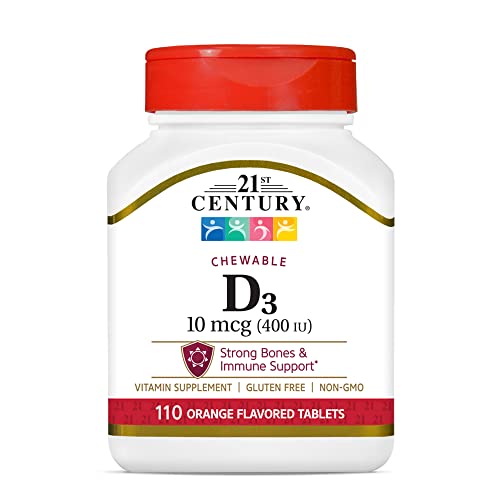 21st Century Vitamin D3 Chewable
by 21st Century
from $17.04
 Amazon
View product
107
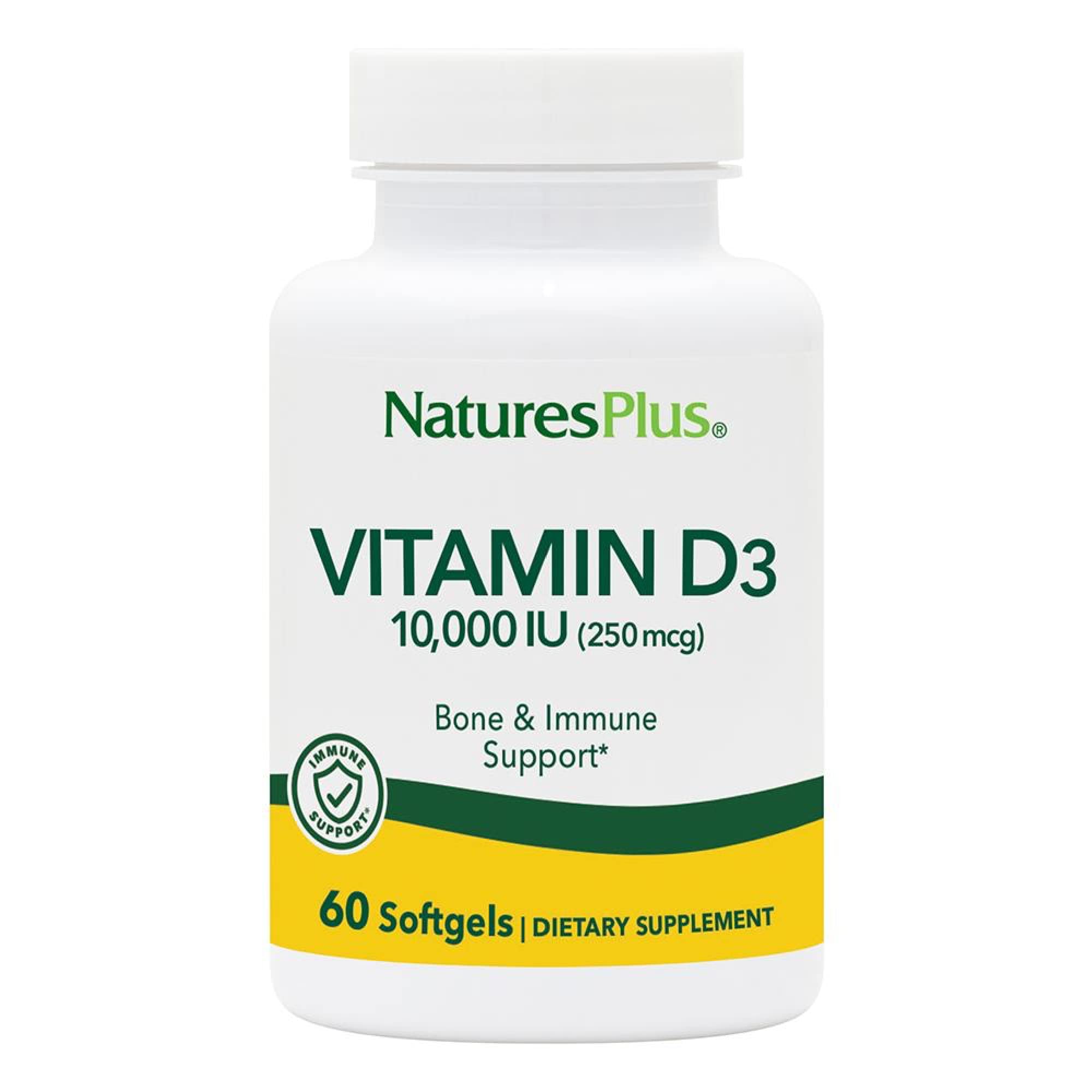 Nature's Plus Maximum Potency Vit D3 10,000 IU
by Nature's Plus
from $16.11
Amazon
View product
108
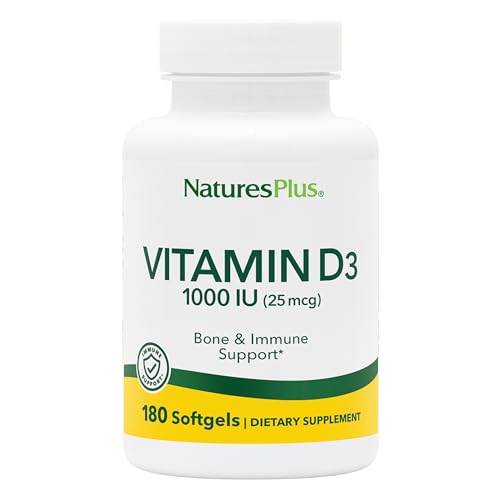 Nature's Plus Vitamin D3 1000 IU
by Nature's Plus
from $11.16
 iHerb
View product
109
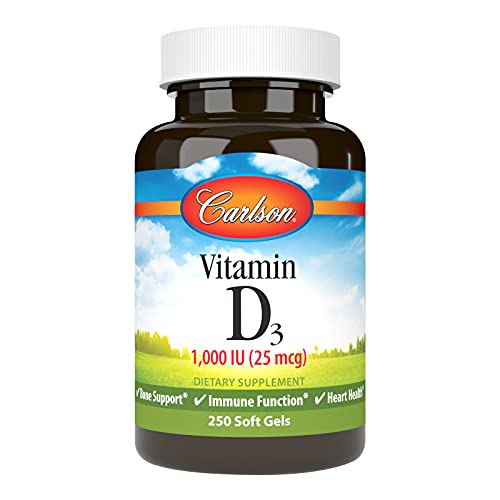 Carlson Labs Vitamin D3
by Carlson Labs
from $15.22
Amazon
View product
110
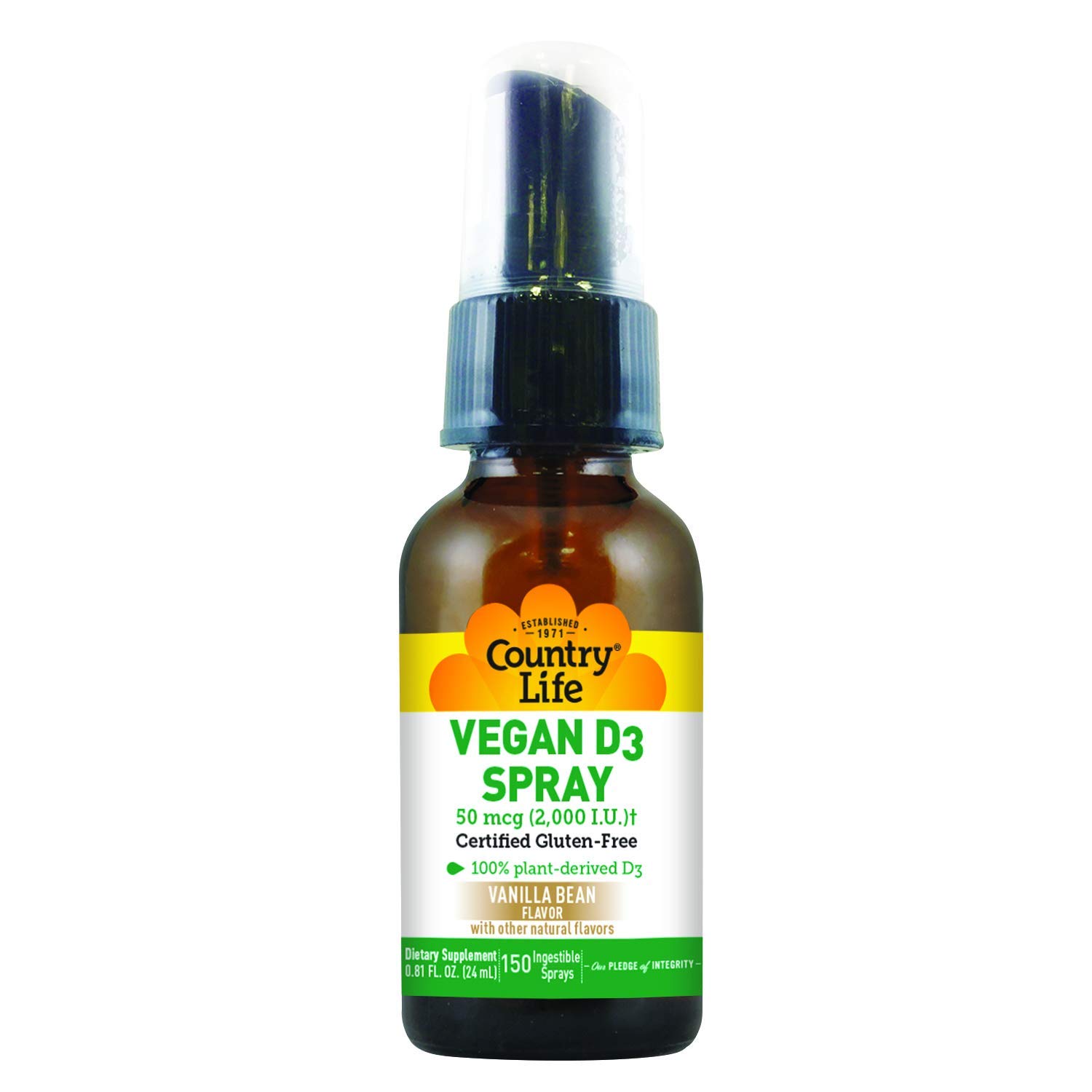 Country Life Vitamin D3 Spray
by Country Life
Check availability
View product
111
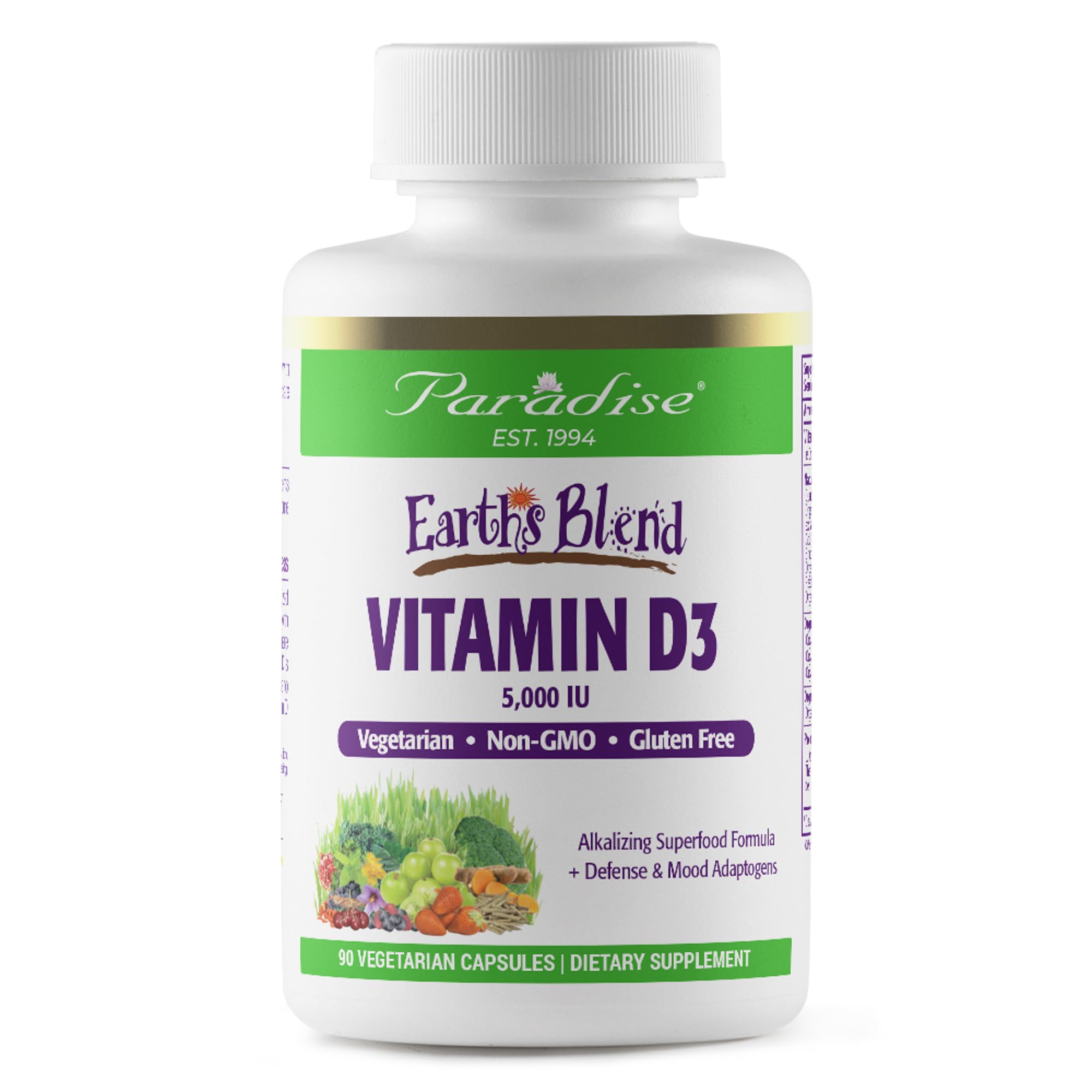 Paradise Herbs Earths Blend Vitamin D3 5000 IU
by Paradise Herbs
from $8.75
iHerb
View product
112
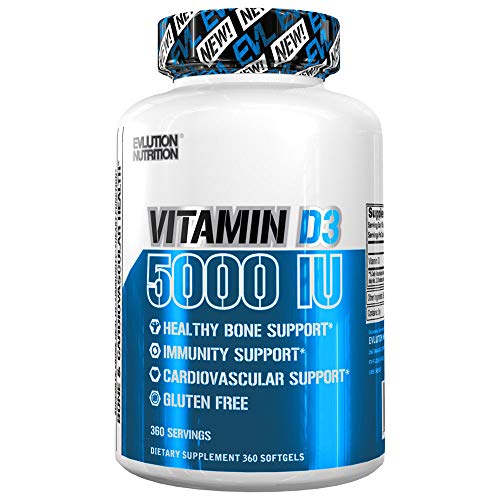 EVLution Nutrition Vitamin D3 5000 IU
by EVLution Nutrition
Check availability
View product
113
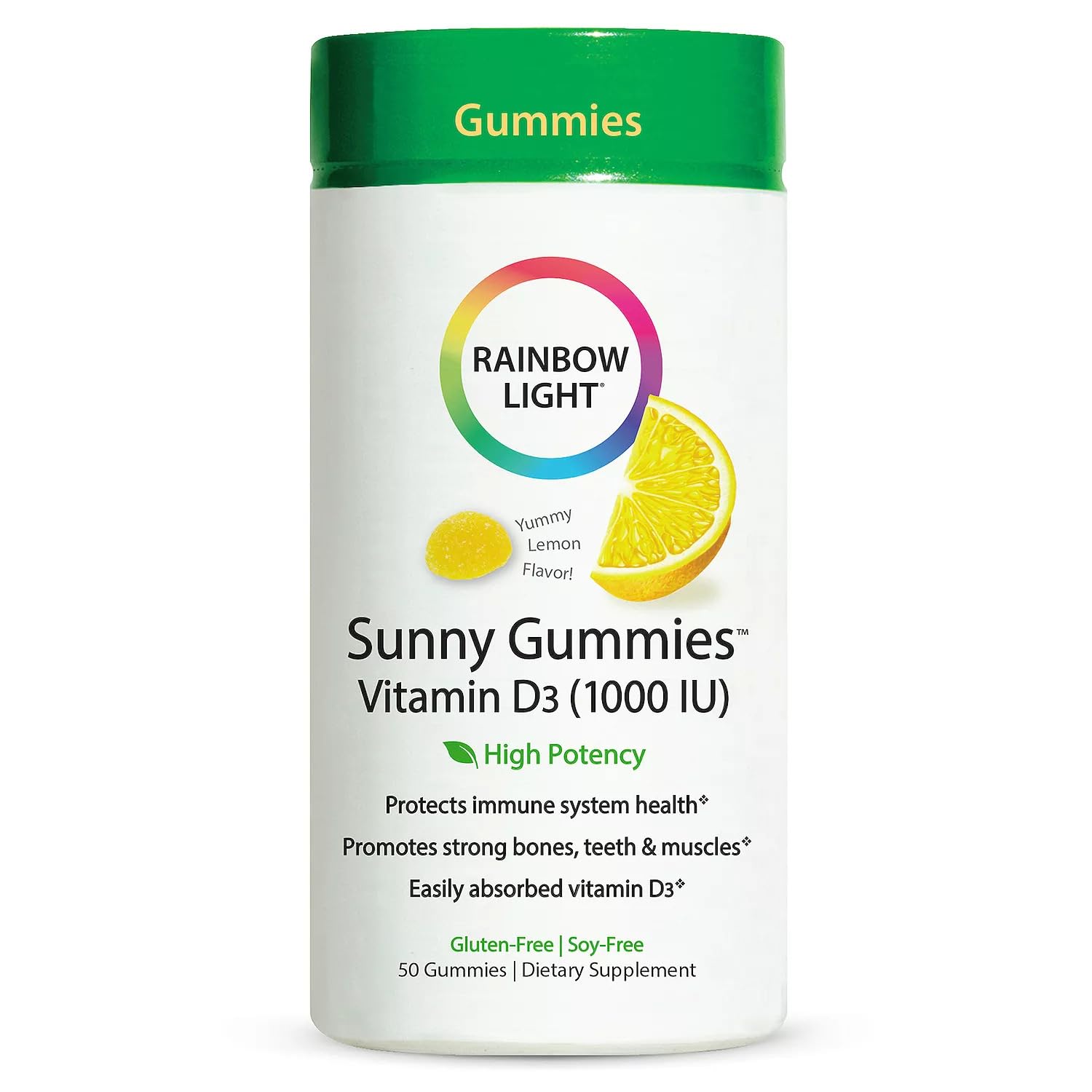 Rainbow Light Sunny Gummies Vitamin D3
by Rainbow Light
Check availability
View product
114
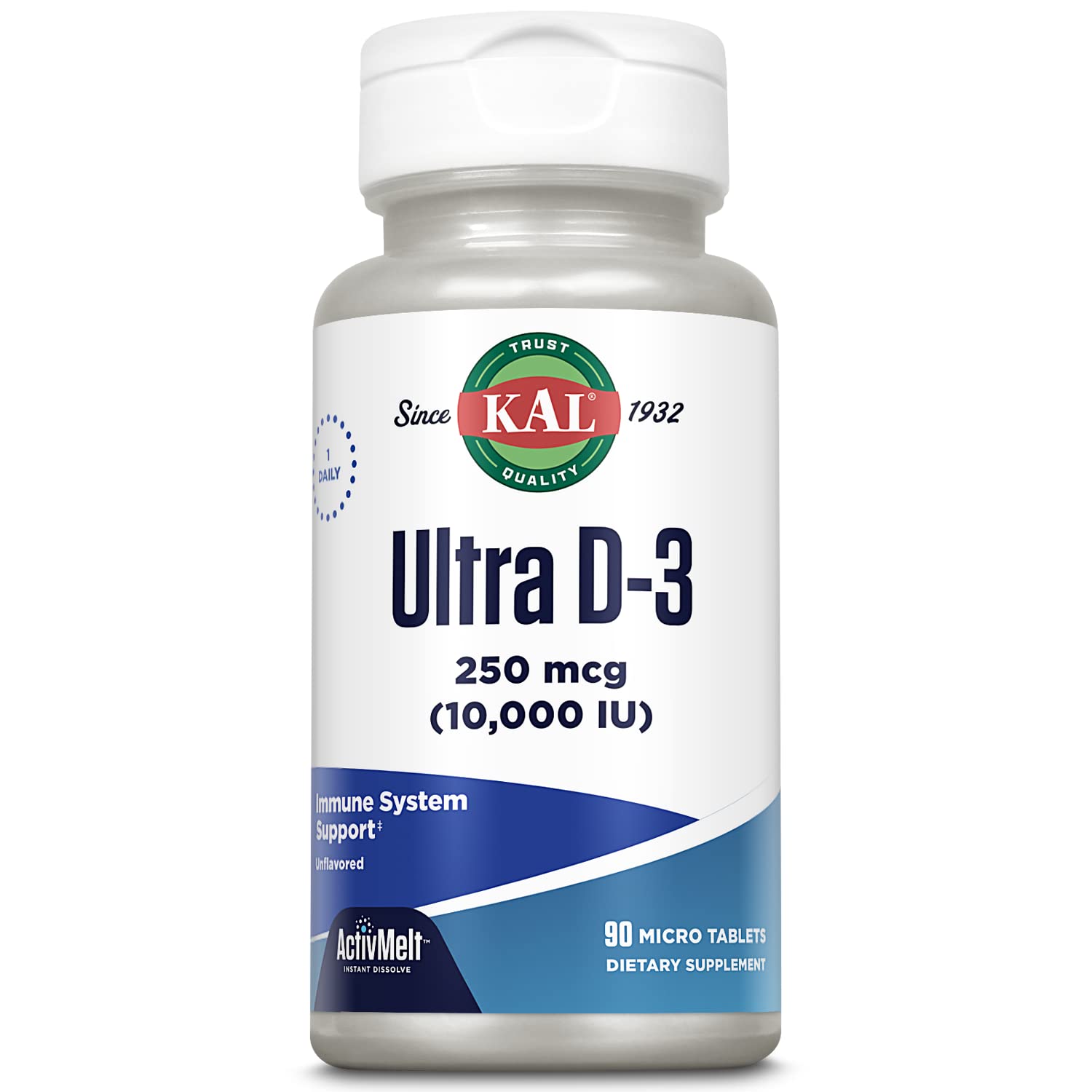 KAL Ultra D-3 10,000 IU ActivMelt Unflavored
by Kal
from $15.29
iHerb
View product
115
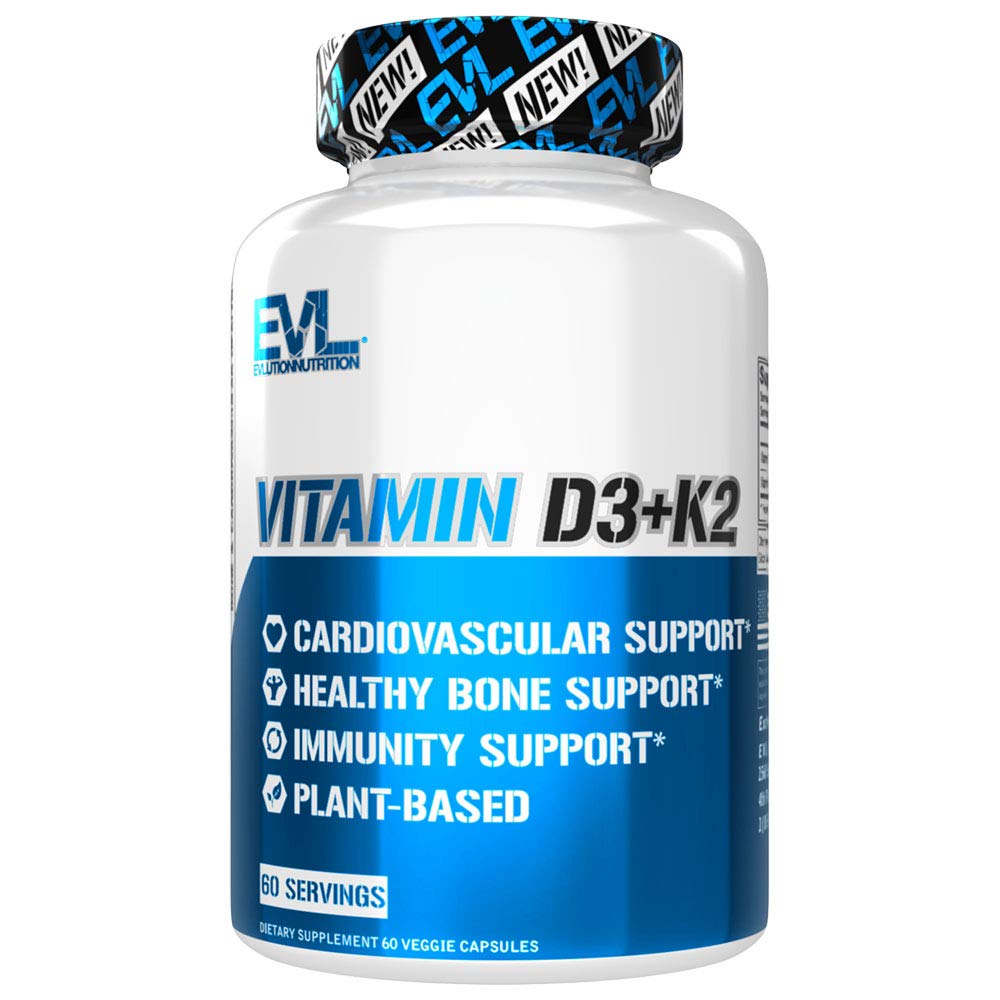 EVLution Nutrition Vitamin D3 + K2
by EVLution Nutrition
from $18.99
Amazon
View product
116
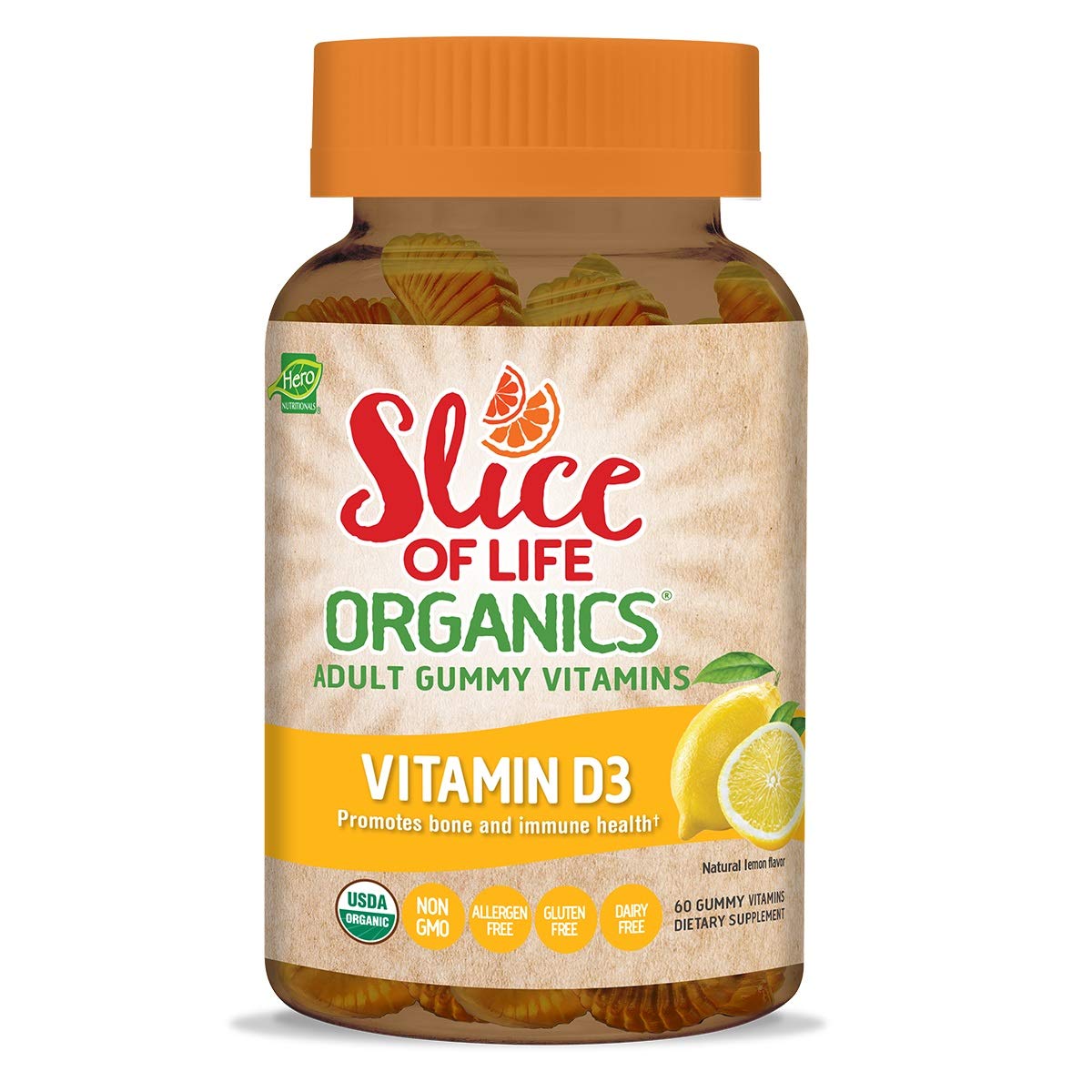 Hero Nutritional Products Slice of Life Adult Gummy Vitamins Vitamin D3
by Hero Nutritional Products
Gummies
Check availability
View product
117
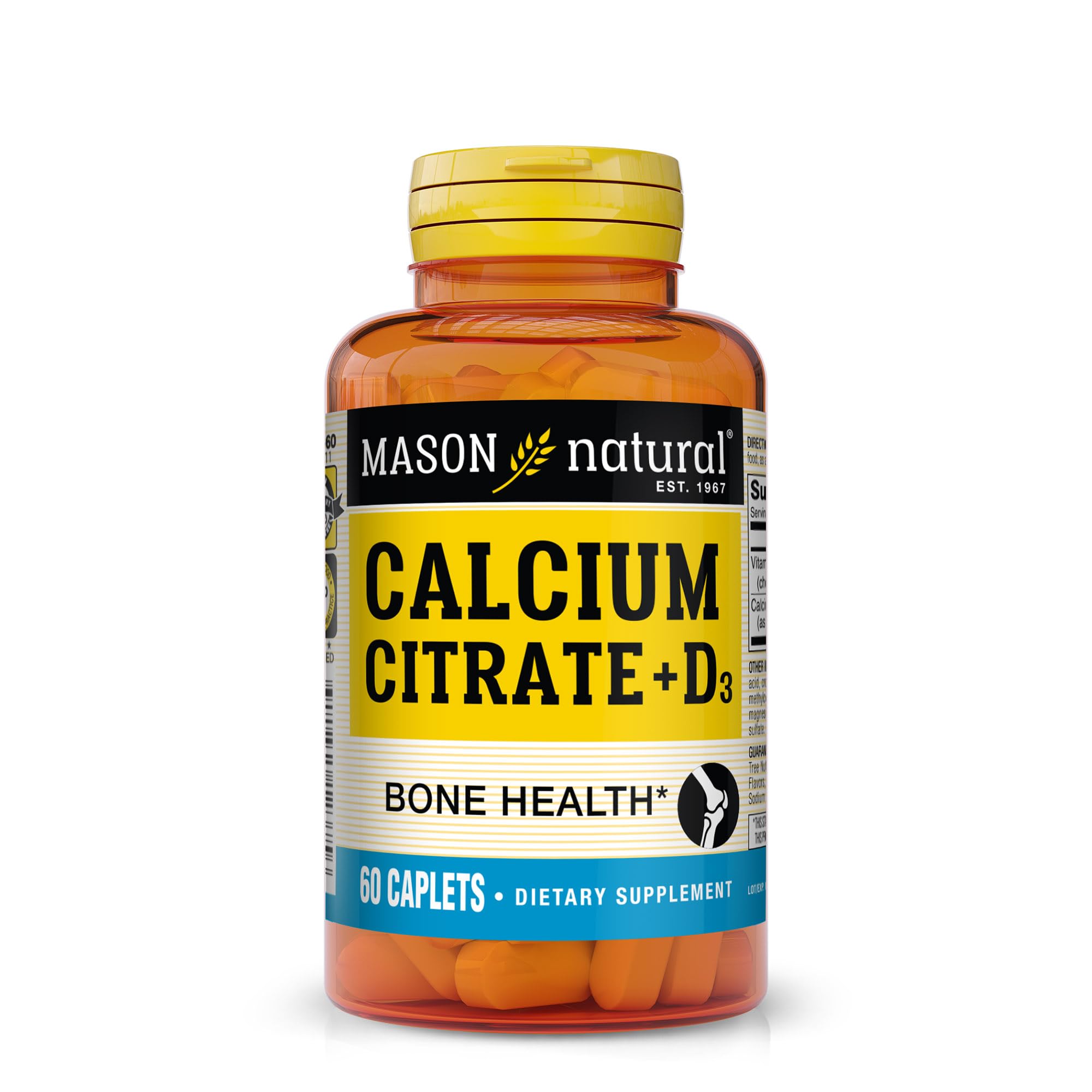 Mason Natural Calcium Citrate Plus Vitamin D3
by Mason Natural
from $5.42
iHerb
View product
118
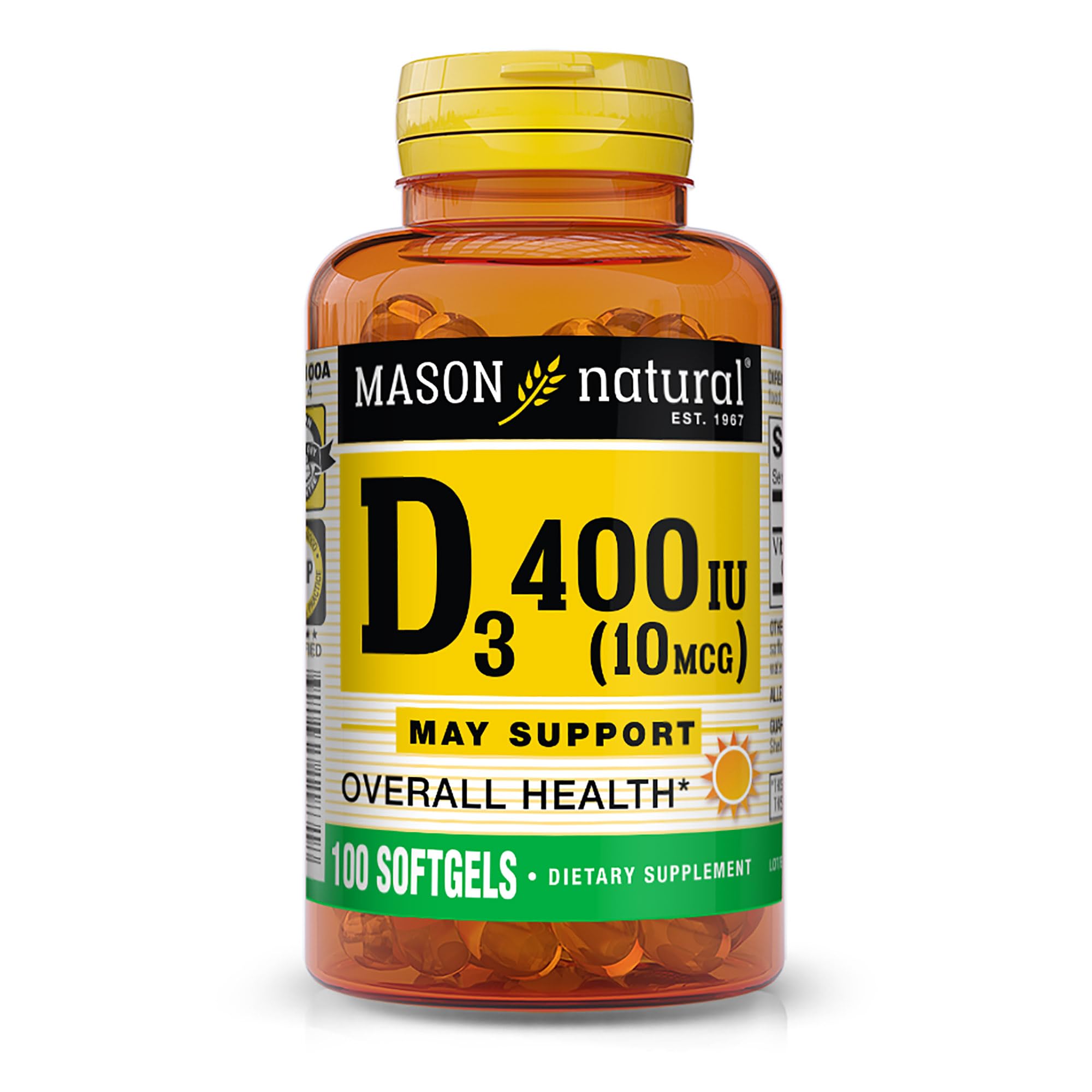 Mason Natural Vitamin D3 400 IU
by Mason Natural
from $3.32
iHerb
View product
119
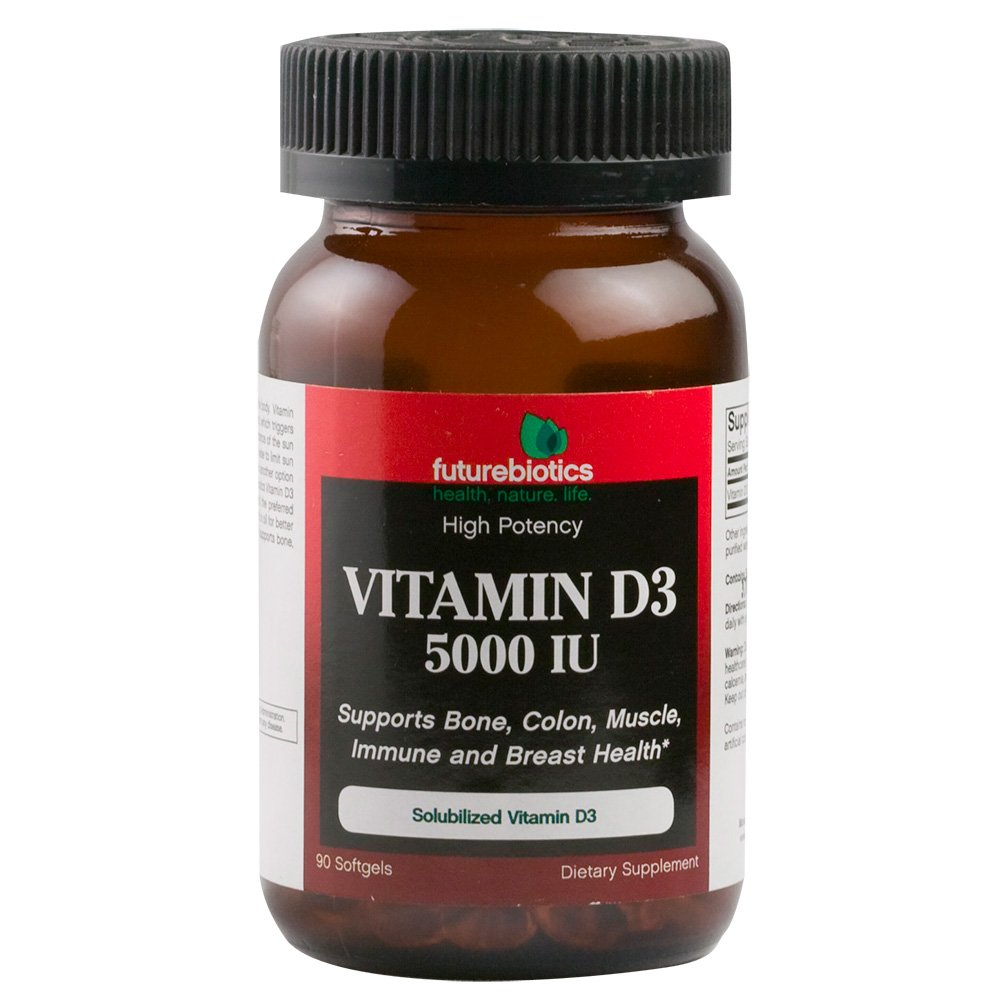 FutureBiotics Vitamin D3 5000 IU
by FutureBiotics
Check availability
View product
Some links on this page are affiliate links. If you buy through them we may earn a commission at no extra cost to you. This does not affect which products are listed.
Not sure which of these fits you? The rest of this page covers what vitamin d is, what it has been researched for, the studies themselves and common questions.
What is vitamin d?
If you’re experiencing symptoms of Vitamin D deficiency, it might be an indication that your food intake is lacking. Augment your immune system and bone health and reduce your chances of developing osteological maladies.Too much at once can cause harmful toxicity. Make sure to check the recommended amounts of Vitamin D supplements for you and control your dosage responsibly.
Vitamin D is found in two forms, D3 (cholecalciferol) and D2 (ergocalciferol). It can be made in the skin with UVB, from food, or supplements. Supplements are usually recommended to meet intake.
What to check on a label
- Look for a seal from an independent testing laboratory
- Check that the amount of each active ingredient per serving is listed
- Be careful with proprietary blends that do not list the amount of each ingredient
- Read the other-ingredients list for allergens, fillers and additives
- Check the expiry or best-before date
- Check which chemical form is used (the salt or compound name)
How it is taken
A significant number of individuals do not obtain an adequate amount of this essential nutrient.
Although the human body utilizes sunlight to produce vitamin D, it fails to generate sufficient quantities when residing in northern regions or having limited sun exposure.
The Recommended Dietary Allowance for vitamin D specifies the daily quantity necessary to support optimal bone health and maintain normal calcium metabolism in individuals who are generally healthy.
Last updated: November 2026 Sources: 106
Commonly researched uses
These are the health topics this supplement is studied or discussed in relation to. It describes where research and discussion exist, not whether it will work for a particular person.
Show all 51 health topics
Research and sources
106 sources informed this page. Each entry links to the publication on nih.gov, so the research behind the page can be checked directly.
- 1 A higher dose of vitamin d reduces the risk of falls in nursing home residents: a randomized, multiple-dose study
- 2 Fall prevention with supplemental and active forms of vitamin D: a meta-analysis of randomised controlled trials
- 3 Fall prevention with supplemental and active forms of vitamin D: a meta-analysis of randomised controlled trials
- 4 Low-dose vitamin D prevents muscular atrophy and reduces falls and hip fractures in women after stroke: a randomized controlled trial
- 5 High-Dose Monthly Vitamin D for Prevention of Acute Respiratory Infection in Older Long-Term Care Residents: A Randomized Clinical Trial
- 6 Independent association of low serum 25-hydroxyvitamin d and 1,25-dihydroxyvitamin d levels with all-cause and cardiovascular mortality
- 7 Systematic review: Vitamin D and calcium supplementation in prevention of cardiovascular events
- 8 Levels of vitamin D and cardiometabolic disorders: systematic review and meta-analysis
- 9 Vitamin D 3 supplementation does not modify cardiovascular risk profile of adults with inadequate vitamin D status
- 10 Vitamin D supplementation enhances the beneficial effects of weight loss on cardiovascular disease risk markers
- 11 A 12-week double-blind randomized clinical trial of vitamin D₃ supplementation on body fat mass in healthy overweight and obese women
- 12 Supplementation with 1000 IU vitamin D/d leads to parathyroid hormone suppression, but not increased fractional calcium absorption, in 4-8-y-old children: a double-blind randomized controlled trial
- 13 Impact of vitamin D supplementation during a resistance training intervention on body composition, muscle function, and glucose tolerance in overweight and obese adults
- 14 Effect of vitamin D supplementation, directly or via breast milk for term infants, on serum 25 hydroxyvitamin D and related biochemistry, and propensity to infection: a randomised placebo-controlled trial
- 15 Optimal vitamin D status for colorectal cancer prevention: a quantitative meta analysis
- 16 Vitamin D supplementation to prevent acute respiratory infections: individual participant data meta-analysis
- 17 Double-blind randomised placebo-controlled trial of bolus-dose vitamin D3 supplementation in adults with asthma (ViDiAs)
- 18 Effect of vitamin D on blood pressure: a systematic review and meta-analysis
- 19 Serum 25-hydroxyvitamin D, ethnicity, and blood pressure in the Third National Health and Nutrition Examination Survey
- 20 Vitamin D₃ Supplementation Reduces the Symptoms of Upper Respiratory Tract Infection during Winter Training in Vitamin D-Insufficient Taekwondo Athletes: A Randomized Controlled Trial
- 21 Prevention of nonvertebral fractures with oral vitamin D and dose dependency: a meta-analysis of randomized controlled trials
- 22 Vitamin D3 supplementation and upper respiratory tract infections in a randomized, controlled trial
- 23 Randomized trial of vitamin D supplementation and risk of acute respiratory infection in Mongolia
- 24 Double-blind randomised controlled trial of vitamin D3 supplementation for the prevention of acute respiratory infection in older adults and their carers (ViDiFlu)
- 25 Vitamin D3 supplementation in patients with frequent respiratory tract infections: a randomised and double-blind intervention study
- 26 Vitamin D and Acute Respiratory Infections—The PODA Trial
- 27 Vitamin D supplementation to prevent infections: a sub-study of a randomised placebo-controlled trial in older people (RECORD trial, ISRCTN 51647438)
- 28 Effect of Monthly High-Dose Vitamin D Supplementation on Acute Respiratory Infections in Older Adults: A Randomized Controlled Trial
- 29 Effect of Vitamin D supplementation to reduce respiratory infections in children and adolescents in Vietnam: A randomized controlled trial
- 30 Winter cholecalciferol supplementation at 55°N has little effect on markers of innate immune defense in healthy children aged 4-8 years: a secondary analysis from a randomized controlled trial
- 31 Effects of vitamin D supplementation to children diagnosed with pneumonia in Kabul: a randomised controlled trial
- 32 Weekly cholecalciferol supplementation results in significant reductions in infection risk among the vitamin D deficient: results from the CIPRIS pilot RCT
- 33 Reduced primary care respiratory infection visits following pregnancy and infancy vitamin D supplementation: a randomised controlled trial
- 34 Effect of vitamin D3 supplementation on upper respiratory tract infections in healthy adults: the VIDARIS randomized controlled trial
- 35 A randomized controlled trial of vitamin D3 supplementation for the prevention of symptomatic upper respiratory tract infections
- 36 Vitamin D supplementation for the prevention of acute respiratory tract infection: a randomized, double-blinded trial among young Finnish men
- 37 Vitamin D3 and gargling for the prevention of upper respiratory tract infections: a randomized controlled trial
- 38 Vitamin D supplementation and upper respiratory tract infections in adolescent swimmers: a randomized controlled trial
- 39 Vitamin D Supplementation and the Risk of Colds in Patients with Asthma
- 40 Intake of 25-Hydroxyvitamin D3 Reduces Duration and Severity of Upper Respiratory Tract Infection: A Randomized, Double-Blind, Placebo-Controlled, Parallel Group Comparison Study
- 41 Effect of High-Dose vs Standard-Dose Wintertime Vitamin D Supplementation on Viral Upper Respiratory Tract Infections in Young Healthy Children
- 42 Vitamin D supplementation reduces the risk of acute otitis media in otitis-prone children
- 43 Effect of calcifediol treatment and best available therapy versus best available therapy on intensive care unit admission and mortality among patients hospitalized for COVID-19: A pilot randomized clinical study
- 44 Effects of a 2-Week 5000 IU versus 1000 IU Vitamin D3 Supplementation on Recovery of Symptoms in Patients with Mild to Moderate Covid-19: A Randomized Clinical Trial
- 45 Impact of daily high dose oral vitamin D therapy on the inflammatory markers in patients with COVID 19 disease
- 46 Effect of a Single High Dose of Vitamin D3 on Hospital Length of Stay in Patients With Moderate to Severe COVID-19: A Randomized Clinical Trial
- 47 Vitamin D supplementation for prevention of mortality in adults
- 48 Vitamin D, tuberculin skin test conversion, and latent tuberculosis in Mongolian school-age children: a randomized, double-blind, placebo-controlled feasibility trial
- 49 Vitamin D supplementation did not prevent influenza-like illness as diagnosed retrospectively by questionnaires in subjects participating in randomized clinical trials
- 50 Randomized trial of vitamin D supplementation to prevent seasonal influenza A in schoolchildren
- 51 Effects of vitamin D supplements on influenza A illness during the 2009 H1N1 pandemic: a randomized controlled trial
- 52 Preventive Effects of Vitamin D on Seasonal Influenza A in Infants: A Multicenter, Randomized, Open, Controlled Clinical Trial
- 53 The effect of vitamin D3 on insulin secretion and peripheral insulin sensitivity in type 2 diabetic patients
- 54 Effects of vitamin D and calcium supplementation on pancreatic β cell function, insulin sensitivity, and glycemia in adults at high risk of diabetes: the Calcium and Vitamin D for Diabetes Mellitus (CaDDM) randomized controlled trial
- 55 A randomized, placebo-controlled trial of vitamin D supplementation to improve glycaemia in overweight and obese African Americans
- 56 Vitamin D3 supplementation improves insulin sensitivity in subjects with impaired fasting glucose
- 57 Different doses of supplemental vitamin D maintain interleukin-5 without altering skeletal muscle strength: a randomized, double-blind, placebo-controlled study in vitamin D sufficient adults
- 58 Vitamin D Supplementation for Premenstrual Syndrome-Related inflammation and antioxidant markers in students with vitamin D deficient: a randomized clinical trial
- 59 The Effect of Vitamin D Supplement Consumption on Premenstrual Syndrome in Vitamin D-Deficient Young Girls: A Randomized, Double-Blind, Placebo-Controlled Clinical Trial
- 60 High dose vitamin D supplementation can improve menstrual problems, dysmenorrhea, and premenstrual syndrome in adolescents
- 61 Evaluating the effects of vitamin D and vitamin E supplement on premenstrual syndrome: A randomized, double-blind, controlled trial
- 62 Vitamin D Supplementation for Premenstrual Syndrome-Related Mood Disorders in Adolescents with Severe Hypovitaminosis D
- 63 Relationship between 25-OH-D serum level and relapse rate in multiple sclerosis patients before and after vitamin D supplementation
- 64 Cholecalciferol in relapsing-remitting MS: A randomized clinical trial (CHOLINE)
- 65 Randomized trial of daily high-dose vitamin D 3 in patients with RRMS receiving subcutaneous interferon β-1a
- 66 Effect of vitamin D3 supplementation on relapses, disease progression, and measures of function in persons with multiple sclerosis: exploratory outcomes from a double-blind randomised controlled trial
- 67 Effects of adjunct low-dose vitamin d on relapsing-remitting multiple sclerosis progression: preliminary findings of a randomized placebo-controlled trial
- 68 Therapeutic effect of vitamin D3 in multiple sclerosis patients
- 69 The effect of cannabis on tremor in patients with multiple sclerosis
- 70 Safety, tolerability, and efficacy of orally administered cannabinoids in MS
- 71 Smoked cannabis for spasticity in multiple sclerosis: a randomized, placebo-controlled trial
- 72 Effect of vitamin D supplementation on testosterone levels in men
- 73 Risedronate and ergocalciferol prevent hip fracture in elderly men with Parkinson disease
- 74 Effect of vitamin D supplementation on progression of knee pain and cartilage volume loss in patients with symptomatic osteoarthritis: a randomized controlled trial
- 75 A prospective randomized controlled trial of the effects of vitamin D supplementation on cardiovascular disease risk
- 76 Association of A1C levels with vitamin D status in U.S. adults: data from the National Health and Nutrition Examination Survey
- 77 Vitamin D Supplementation Affects the Beck Depression Inventory, Insulin Resistance, and Biomarkers of Oxidative Stress in Patients with Major Depressive Disorder: A Randomized, Controlled Clinical Trial
- 78 Therapeutic effect of vitamin D in acute lower respiratory infection: A randomized controlled trial
- 79 A systems-based investigation into vitamin D and skeletal muscle repair, regeneration, and hypertrophy
- 80 Effect of vitamin D supplementation on serum 25-hydroxy vitamin D levels, joint pain, and fatigue in women starting adjuvant letrozole treatment for breast cancer
- 81 Vitamin D threshold to prevent aromatase inhibitor-induced arthralgia: a prospective cohort study
- 82 Vitamin D and prevention of breast cancer: pooled analysis
- 83 Association between plasma 25-hydroxyvitamin D and breast cancer risk
- 84 The association between ultraviolet B irradiance, vitamin D status and incidence rates of type 1 diabetes in 51 regions worldwide
- 85 Vitamin D intake and the risk for pancreatic cancer in two cohort studies
- 86 Effects of Vitamin D on Endometriosis-Related Pain: A Double-Blind Clinical Trial
- 87 The effect of vitamin D supplement on the score and quality of sleep in 20-50 year-old people with sleep disorders compared with control group
- 88 Vitamin D supplementation for severe pneumonia--a randomized controlled trial
- 89 Evidence that Vitamin D Supplementation Could Reduce Risk of Influenza and COVID-19 Infections and Deaths
- 90 Vitamin D: The “sunshine” vitamin
- 91 Limitations of vitamin D supplementation trials: Why observational studies will continue to help determine the role of vitamin D in health
- 92 Vitamin D and breast cancer: A systematic review and meta-analysis of observational studies
- 93 Vitamin D and depression: a systematic review and meta-analysis comparing studies with and without biological flaws
- 94 Vitamin D assessment in population-based studies: a review of the issues
- 95 Vitamin D-related changes in physical performance: A systematic review
- 96 Vitamin D and osteosarcopenia: an update from epidemiological studies
- 97 Intestinal absorption of vitamin D: a systematic review
- 98 Psoriasis and Vitamin D: A Systematic Review and Meta-Analysis
- 99 Vitamin D and miscarriage: a systematic review and meta-analysis
- 100 Effects of vitamin D supplementation in endometriosis: a systematic review
- 101 Obesity and vitamin D deficiency: a systematic review and meta-analysis
- 102 High-Dose Vitamin D in Clinically Isolated Syndrome Typical of Multiple Sclerosis: The D-Lay MS Randomized Clinical Trial
- 103 Effects of High Dose Bolus Cholecalciferol on Free Vitamin D Metabolites, Bone Turnover Markers and Physical Function
- 104 Impact of Vitamin D Injection on Keloids and Hypertrophic Scars
- 105 Vitamin D deficiency and effect of treatment on seizure frequency and quality of life parameters in patients with drug-resistant epilepsy: A randomized clinical trial
- 106 Medium-Chain Triglycerides in Combination with Leucine and Vitamin D Benefit Cognition in Frail Elderly Adults: A Randomized Controlled Trial
Frequently asked questions
Kindly be aware that statements concerning dietary supplements have not been subjected to FDA evaluation and are not intended for the purpose of diagnosing, treating, or preventing any diseases or health conditions.
Related supplements, topics and brands





We recommend that you read labels, warnings and directions of all products before use and not rely solely on the information provided by Supplements.org. Statements regarding dietary supplements have not been evaluated by the FDA and are not intended to diagnose, treat, cure, or prevent any disease or health condition. Under no circumstances should any information found on this website be considered a replacement for personal medical guidance from a qualified clinician or your own doctor, irrespective of the publication date.
The absence of safety information on this page does not mean this supplement is safe or free of side effects, interactions or contraindications. Talk to a healthcare professional before using it.