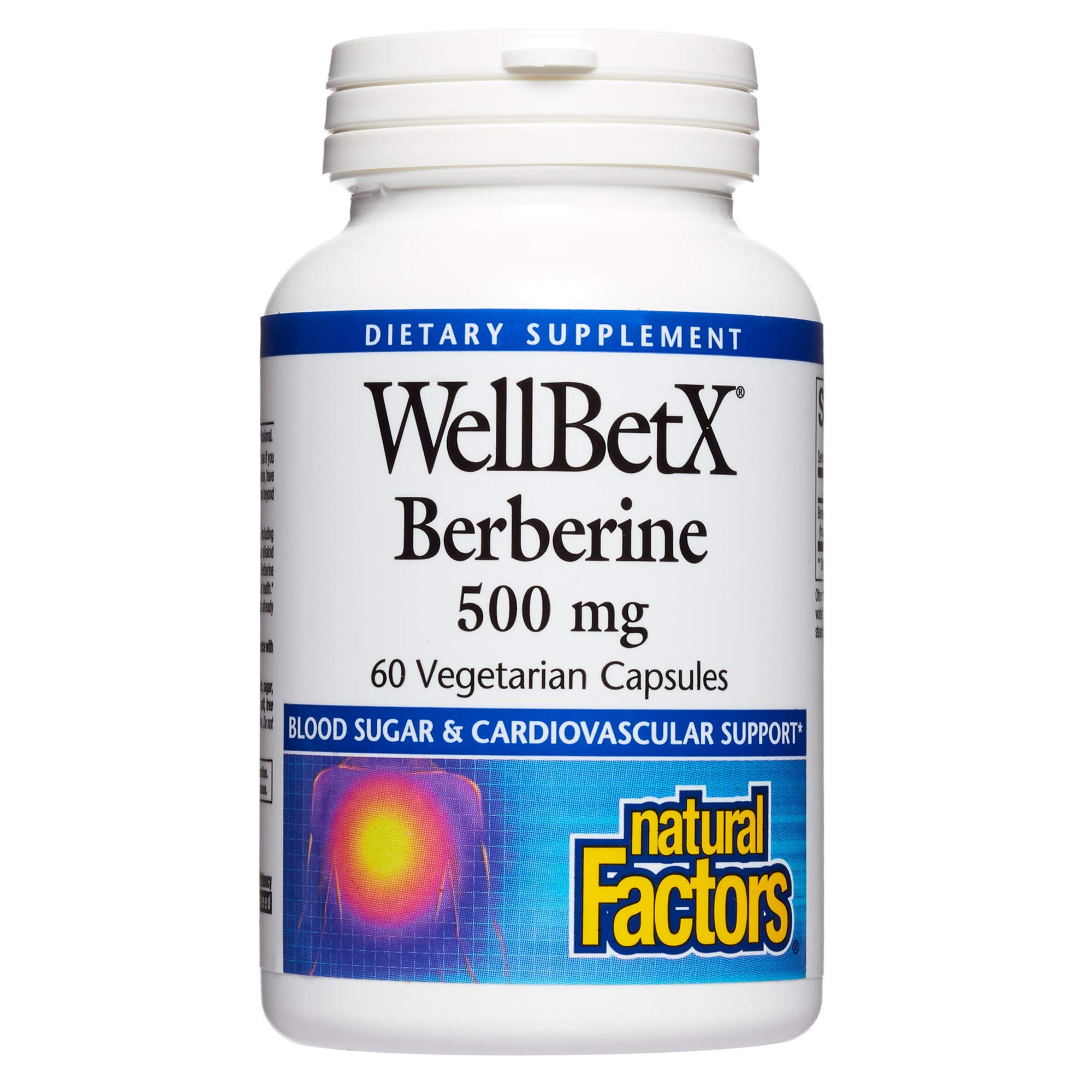
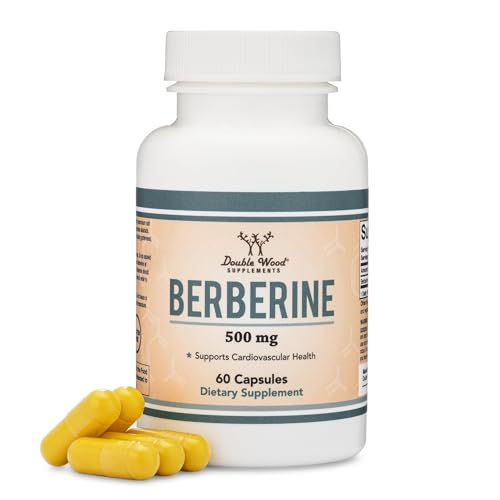
Best Berberine Supplements for Blood Sugar

Written by Supplements.org Editorial Team Reviewed by Supplements.org Research Team Updated April 2026

Top products

Top Rated
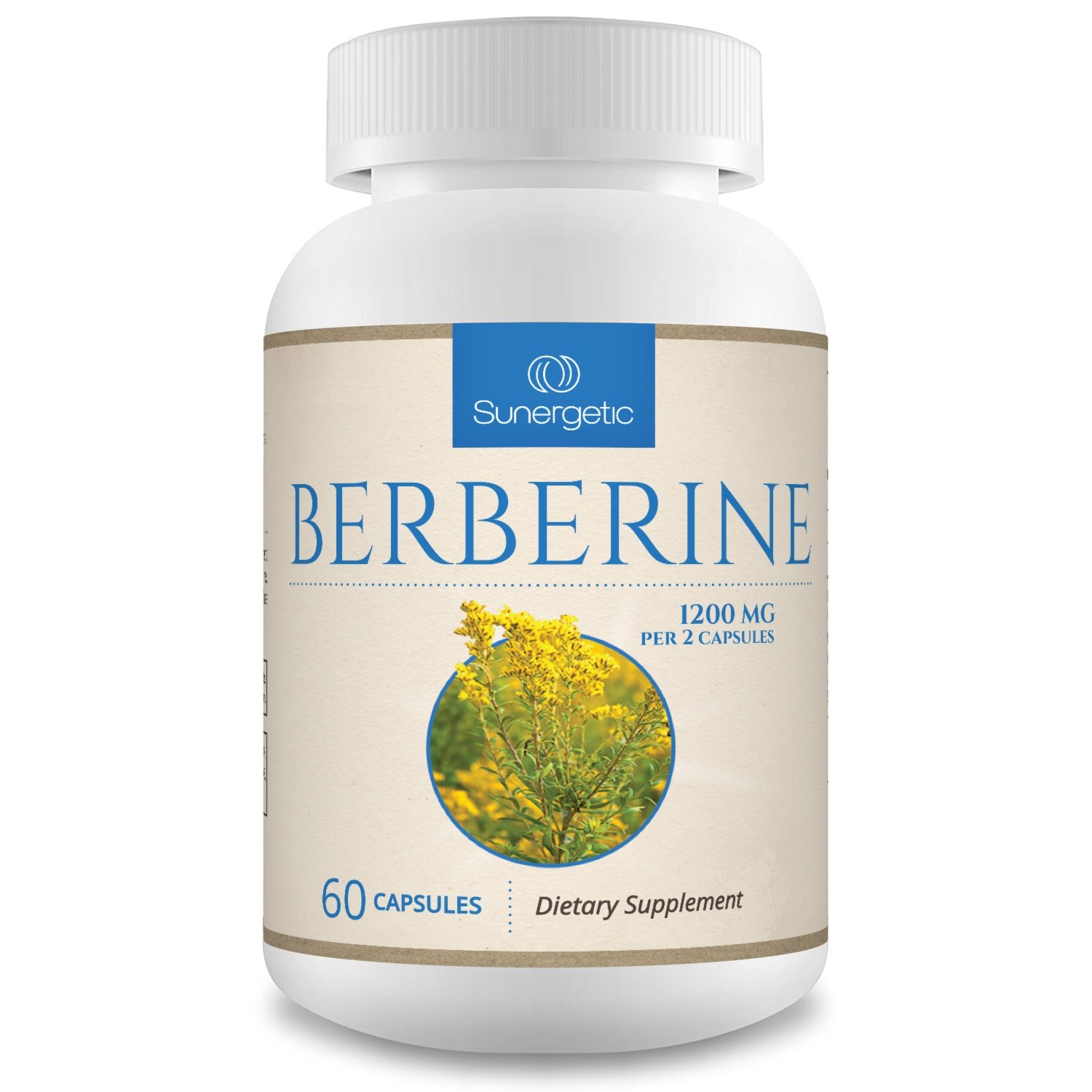
Sunergetic Berberine GMO Free, HCL Extract Formula
Popularity:
4.6
Price:
$22.95 Amazon US
Popularity:
4.6
Price:
$44 Amazon US
Popularity:
4.5
Price:
$29.97 Amazon US
Popularity:
4.4
Price:
$44.99 Amazon US
Popularity:
4.4
Price:
$26.99 Amazon US
Popularity:
4.3
Price:
$19.94 Amazon US
Popularity:
4.2
Price:
$21.99 Amazon US
Popularity:
4.1
Price:
$30 iHerb
Popularity:
4.1
Price:
$19.6 Amazon US
Best Price
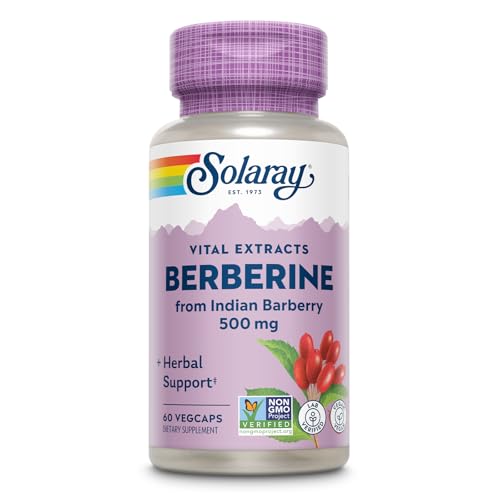
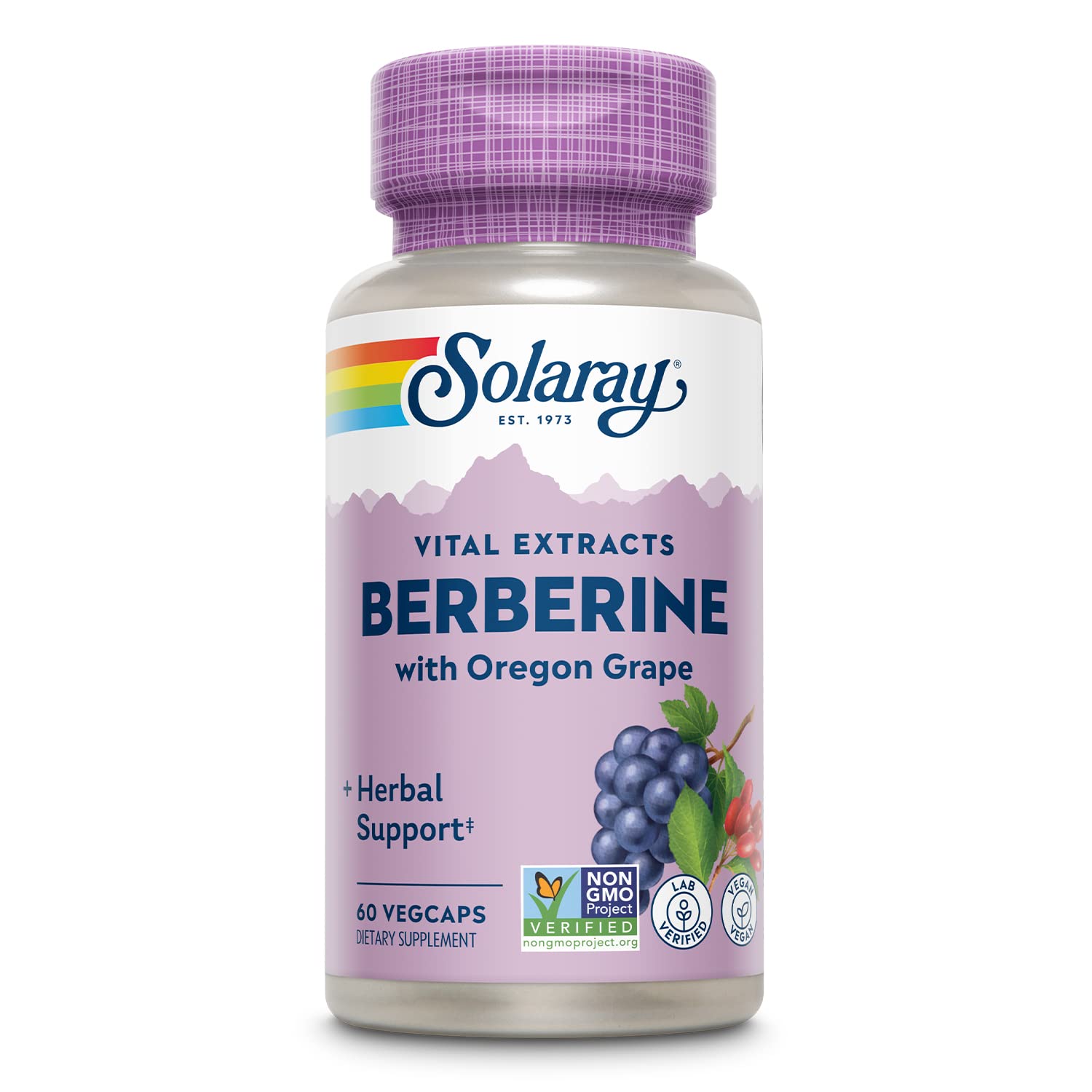
Solaray Berberine Root Extract Advanced Formula
Popularity:
3.9
Price:
$15.99 Amazon US
Popularity:
3.8
Price:
$16.91 Amazon US

How our rating works

Our Supplement Rating is calculated from multiple data points: ingredient quality and form, label transparency, dosage strength relative to research-backed amounts, third-party testing availability, and value per serving. Products are ranked automatically — no brand pays for placement. Prices are pulled from major retailers and updated regularly. This system is designed to help you compare products more confidently, but it is not a substitute for professional medical advice.

Who is it for

Pre-diabetic individuals with fasting glucose levels between 100–125 mg/dL looking for natural support alongside lifestyle changes

People actively monitoring their blood sugar who want an evidence-based supplement to complement diet and exercise

Adults seeking natural glucose support as an alternative or adjunct to conventional approaches, under medical supervision

Health-conscious individuals with a family history of type 2 diabetes who want proactive metabolic support

Benefits

Fasting blood glucose reduction

Berberine has been shown to significantly reduce fasting plasma glucose in multiple randomized controlled trials. A 2012 meta-analysis in the Journal of Ethnopharmacology pooling 14 trials found that berberine lowered fasting blood glucose by an average of 15–25 mg/dL compared to placebo. This effect is mediated primarily through AMPK activation, which increases glucose transporter (GLUT4) translocation to cell membranes, allowing cells to absorb more glucose from the bloodstream.

Improved insulin sensitivity

Berberine enhances insulin sensitivity through multiple pathways, including upregulation of insulin receptor expression and improvement of insulin signaling cascades. A study in Metabolism demonstrated that berberine reduced insulin resistance (HOMA-IR) comparably to metformin in patients with type 2 diabetes. By improving how effectively the body responds to its own insulin, berberine helps cells take up glucose more efficiently without requiring higher insulin output from the pancreas.

HbA1c improvement

HbA1c reflects average blood sugar levels over 2–3 months and is a key marker for long-term glucose control. Clinical trials have shown that berberine supplementation at 1,000–1,500 mg/day can reduce HbA1c by 0.5–0.9 percentage points over 8–12 weeks. A 2015 systematic review in the Journal of Clinical Pharmacy and Therapeutics confirmed these reductions, noting that berberine was particularly effective in individuals with baseline HbA1c levels above 7%.

Postprandial glucose control

Berberine helps blunt post-meal blood sugar spikes by slowing carbohydrate digestion through inhibition of alpha-glucosidase enzymes in the gut and by increasing glucose uptake in muscle and fat tissue. Research published in Phytomedicine found that taking berberine before meals reduced postprandial glucose excursions by 20–30% compared to placebo, making it particularly useful for people who struggle with blood sugar spikes after eating.

How to take it

  1. The most effective dosage for blood sugar management is 500 mg of berberine HCl taken 2–3 times daily, totaling 1,000–1,500 mg per day. This split dosing schedule is important because berberine has a short half-life of approximately 4–5 hours, and dividing the dose maintains more consistent blood levels throughout the day. If using dihydroberberine (DHB), typical doses are 100–200 mg taken 2–3 times daily. Always start with a lower dose (500 mg once daily) for the first week to assess tolerance before increasing.

  2. Timing berberine relative to meals is especially important for blood sugar support. Taking berberine 20–30 minutes before meals — or at the start of a meal — maximizes its ability to blunt postprandial glucose spikes by activating AMPK and inhibiting alpha-glucosidase before carbohydrates are absorbed. If you experience GI discomfort, taking it with food rather than before food can help, though the glucose-lowering effect on that meal may be slightly reduced.

  3. Berberine has significant interactions with diabetes medications, particularly metformin and sulfonylureas, which can lead to hypoglycemia (dangerously low blood sugar) when combined. If you take any blood-sugar-lowering medication, do not start berberine without consulting your doctor first — dosage adjustments to your medication may be necessary. Berberine also inhibits CYP3A4 and CYP2D6 liver enzymes, which can affect the metabolism of many common medications.

Dosage by goal

Doses used across published clinical trials specifically targeting glycemic markers.

Population Dose Outcome (typical)
Prediabetes 500 mg, 2× daily Fasting glucose −15 to −25 mg/dL over 12 weeks
Type 2 diabetes (drug-naive) 500 mg, 3× daily HbA1c −0.7% to −1.0% over 90 days
Type 2 diabetes (adjunct to metformin) 500 mg, 2× daily Additive HbA1c reduction of ~0.5%
Insulin resistance / PCOS 500 mg, 3× daily Improved HOMA-IR and lipid panel over 12 weeks
Maintenance 500 mg, 2× daily Used after initial 12-week protocol

Combining berberine with prescription glucose-lowering medication can cause hypoglycemia. Monitor closely and inform your prescribing physician.

Research highlights

Selected peer-reviewed studies that shape the current evidence base.

36 patients 2008

In a head-to-head randomized trial, berberine 500 mg three times daily lowered HbA1c by 1.0% over 90 days — statistically equivalent to metformin 500 mg three times daily.

116 patients 2008

Adding berberine to standard metformin therapy further reduced fasting plasma glucose, HbA1c, and triglycerides versus metformin alone in adults with poorly controlled type 2 diabetes.

14 RCTs, 1,068 patients 2012

A 2012 systematic review concluded that berberine's glucose-lowering effect operates primarily through AMPK activation — the same intracellular pathway targeted by metformin.

Editor's pick

Berberine HCl 500 mg — third-party tested, single-ingredient capsule

For blood-sugar-specific use, a clean 500 mg berberine HCl capsule from a brand with a Certificate of Analysis matches the dose and form used in nearly every positive clinical trial. Single-ingredient products make it easy to track your response and adjust without confounding additives.

  • Exact 500 mg dose used in landmark glycemic trials
  • Single ingredient — no proprietary blends to obscure dosing
  • Berberine HCl form has the strongest absorption data in oral studies
  • Allows splitting across meals for stable 24-hour blood levels
View product details →

What to look for

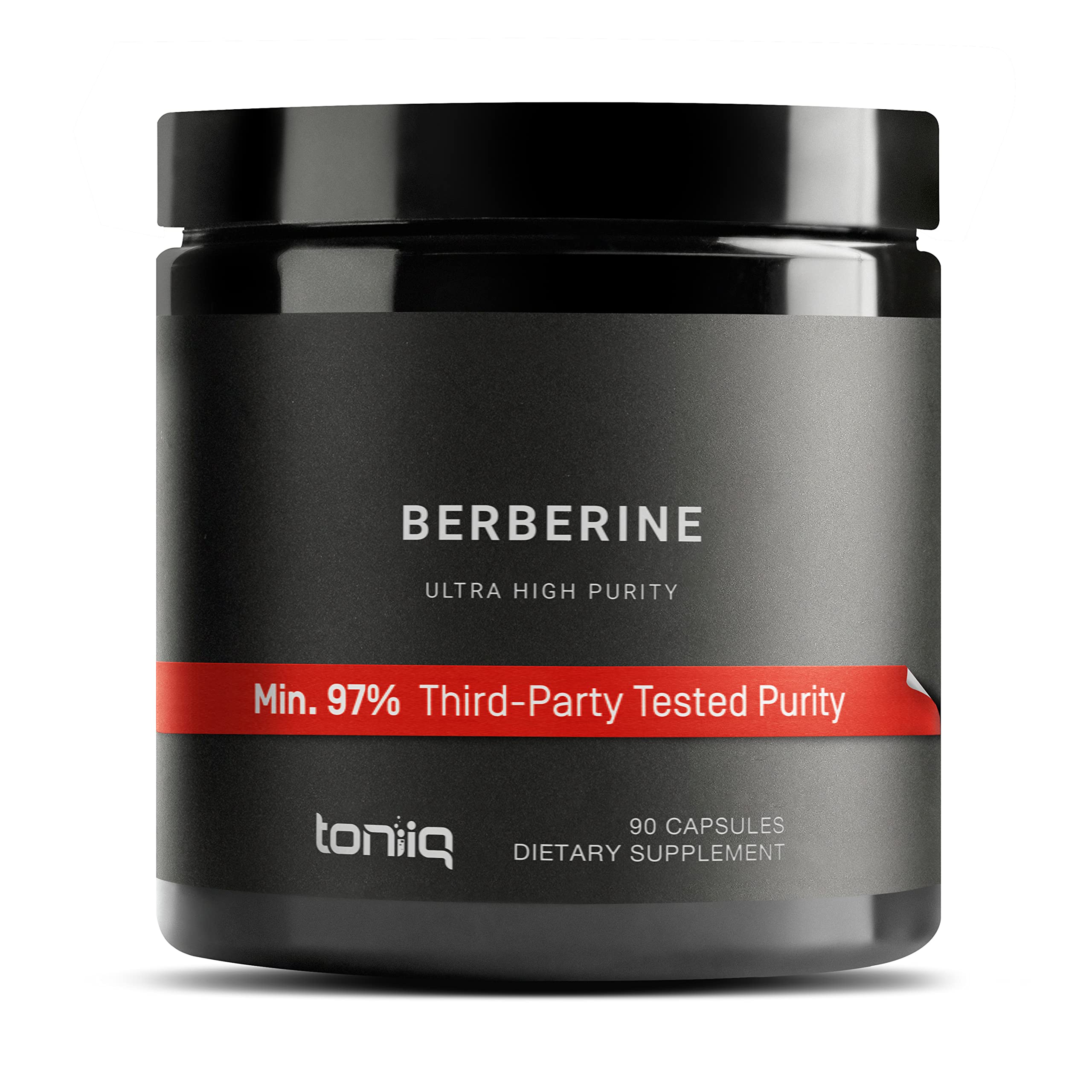
Berberine HCl with at least 97% purity or a standardized dihydroberberine form — lower-purity products may deliver inconsistent amounts of active compound

Split-dose capsules (500 mg per capsule for berberine HCl) that make it easy to follow the recommended 2–3 times daily dosing schedule used in clinical studies

Third-party testing for purity, heavy metals, and contaminants — independent verification from organizations like NSF, USP, or ConsumerLab adds accountability

Minimal fillers and unnecessary additives — a clean formula ensures you are getting berberine without compounds that may affect absorption or tolerance

Bioavailability enhancements such as dihydroberberine or lipid-based delivery systems — standard berberine has low oral bioavailability, so improved forms can offer advantages at lower doses

A supply that lasts at least 30 days at the full clinical dose — products with fewer capsules may require frequent reorders and increase total cost over time

Side effects & safety

Common cautions

  • The most common side effects of berberine are gastrointestinal — including diarrhea, constipation, bloating, and abdominal cramping — affecting up to 10–15% of users. These effects are usually dose-dependent and can be minimized by starting with a low dose (500 mg/day), taking berberine with meals, and gradually increasing to the full dose over 1–2 weeks.
  • Berberine can lower blood sugar significantly. When combined with diabetes medications such as metformin, sulfonylureas, or insulin, there is a real risk of hypoglycemia (blood sugar dropping too low). Symptoms include dizziness, sweating, confusion, and shakiness. Never combine berberine with blood-sugar-lowering drugs without medical supervision and monitoring.
  • Berberine inhibits CYP3A4 and CYP2D6 enzymes in the liver, which are responsible for metabolizing a wide range of medications including statins, blood thinners, antidepressants, and immunosuppressants. This can cause these drugs to accumulate to higher-than-expected levels, increasing the risk of side effects. Review all medications with your pharmacist or doctor before starting berberine.
  • Berberine is not recommended during pregnancy or breastfeeding. Animal studies have shown that berberine can cross the placenta, and it has been associated with uterine contractions and potential harm to the developing fetus. Women who are pregnant, planning to become pregnant, or nursing should avoid berberine entirely.

If you have existing medical conditions or take medication, consult a healthcare professional before use.

Berberine vs Metformin

Berberine
Primary mechanism Activates AMPK; inhibits alpha-glucosidase; improves GLUT4 translocation
Typical dosage 500 mg 2–3 times daily (1,000–1,500 mg/day)
Effect on fasting glucose Reduces by 15–25 mg/dL in clinical trials
Regulatory status Sold as a dietary supplement; not FDA-approved for diabetes treatment
VS
Metformin
Primary mechanism Activates AMPK; reduces hepatic glucose production; improves insulin sensitivity
Typical dosage 500–1,000 mg twice daily (1,000–2,000 mg/day)
Effect on fasting glucose Reduces by 20–30 mg/dL in clinical trials
Regulatory status FDA-approved prescription medication; first-line treatment for type 2 diabetes

FAQ

Berberine and metformin share a similar mechanism of action (AMPK activation) and have shown comparable effects on fasting glucose and HbA1c in head-to-head clinical trials. However, berberine is a dietary supplement, not an FDA-approved medication, and the evidence base for metformin is far larger, spanning decades and hundreds of thousands of patients. Berberine may be appropriate as an adjunct or for pre-diabetic individuals, but anyone currently taking metformin should never stop their medication in favor of berberine without explicit guidance from their doctor.

Some studies show measurable reductions in fasting blood glucose within 1–2 weeks of consistent use. However, the full effect on HbA1c — which reflects long-term glucose control — takes 8–12 weeks to become apparent, since HbA1c measures average blood sugar over the lifespan of red blood cells (approximately 90 days). For meaningful evaluation, plan on at least 8–12 weeks of consistent use at the full dose before judging effectiveness.

Taking berberine and metformin together increases the risk of hypoglycemia (low blood sugar) and may amplify gastrointestinal side effects such as diarrhea and nausea, since both compounds affect similar metabolic pathways. Some practitioners do use the combination under careful supervision with blood glucose monitoring, but this should never be done without your doctor's knowledge and approval. Your metformin dose may need to be adjusted if berberine is added.

Taking berberine with or shortly before meals serves two purposes for blood sugar management. First, berberine inhibits alpha-glucosidase enzymes in the gut that break down complex carbohydrates, which slows glucose absorption from the meal. Second, it activates AMPK to increase glucose uptake into cells right when glucose from food is entering the bloodstream. Taking berberine on an empty stomach away from meals misses the opportunity to blunt postprandial (after-meal) glucose spikes, which is one of its most valuable effects.

Based on the published clinical evidence, realistic expectations for berberine supplementation at 1,000–1,500 mg/day are: a fasting blood glucose reduction of 15–25 mg/dL, an HbA1c reduction of 0.5–0.9 percentage points, and a 20–30% reduction in postprandial glucose spikes when taken before meals. These results are averages from clinical trials and individual responses will vary. People with higher baseline glucose levels tend to see larger improvements. Berberine is not a substitute for diet, exercise, and medical treatment when needed.

AI consultant

This content is for informational purposes only and is not a substitute for professional medical advice. Consult a qualified healthcare provider before taking any supplement.