
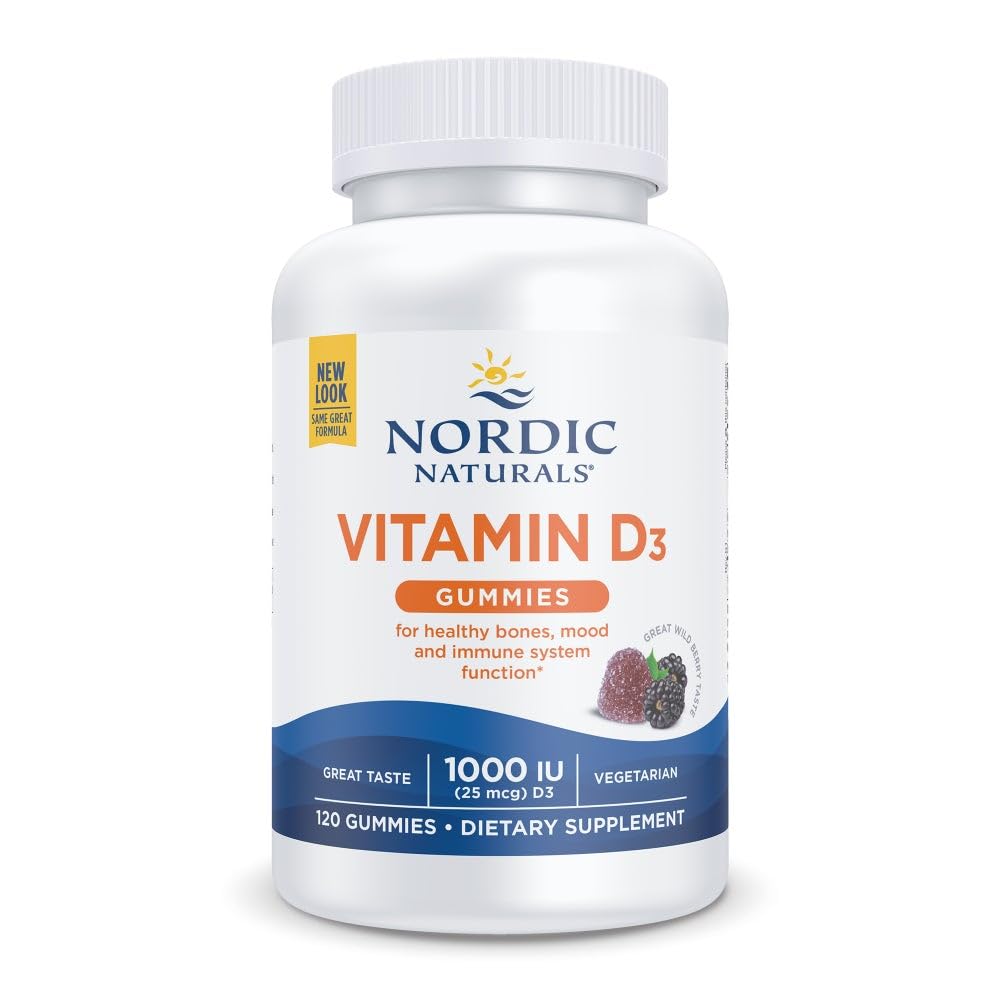
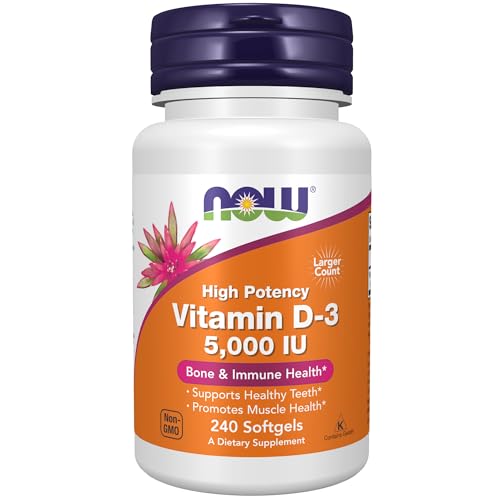
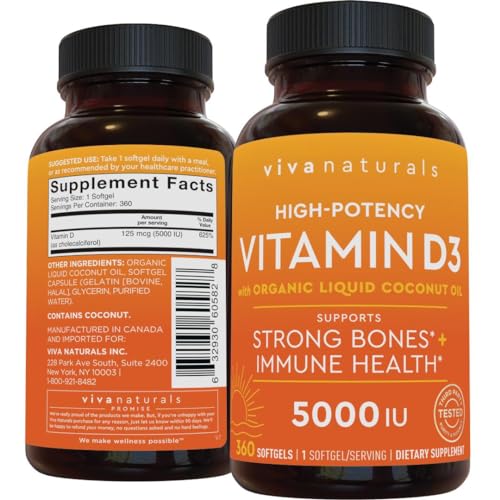
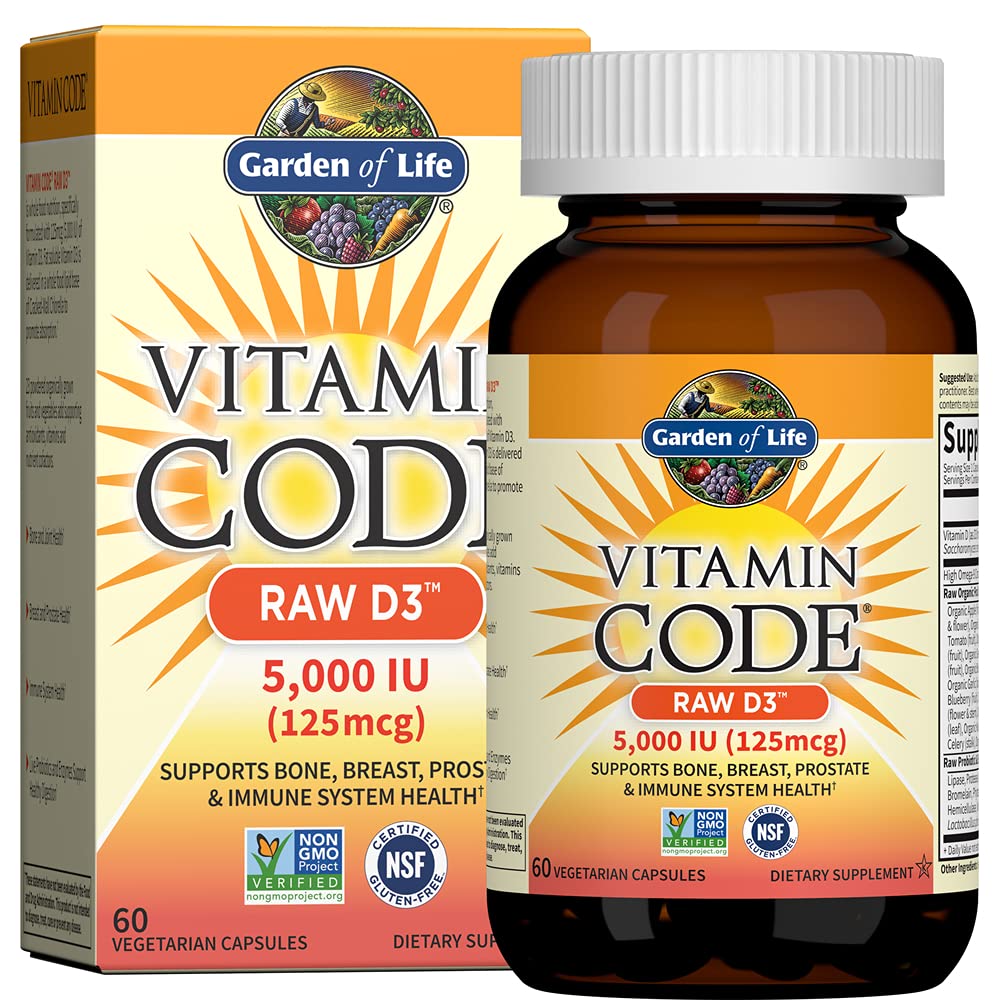
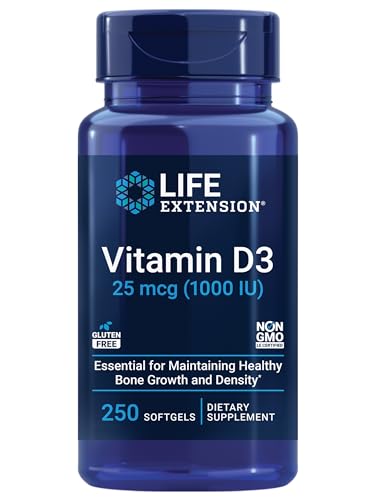
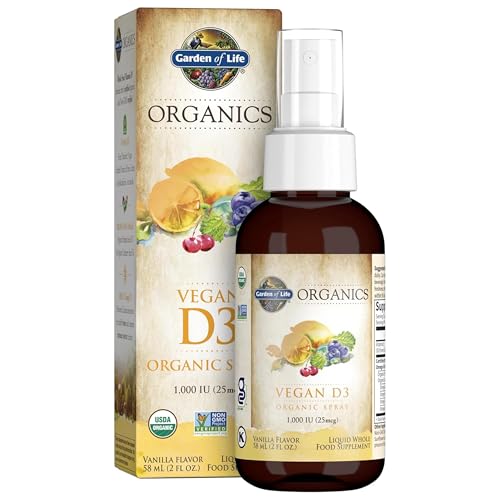
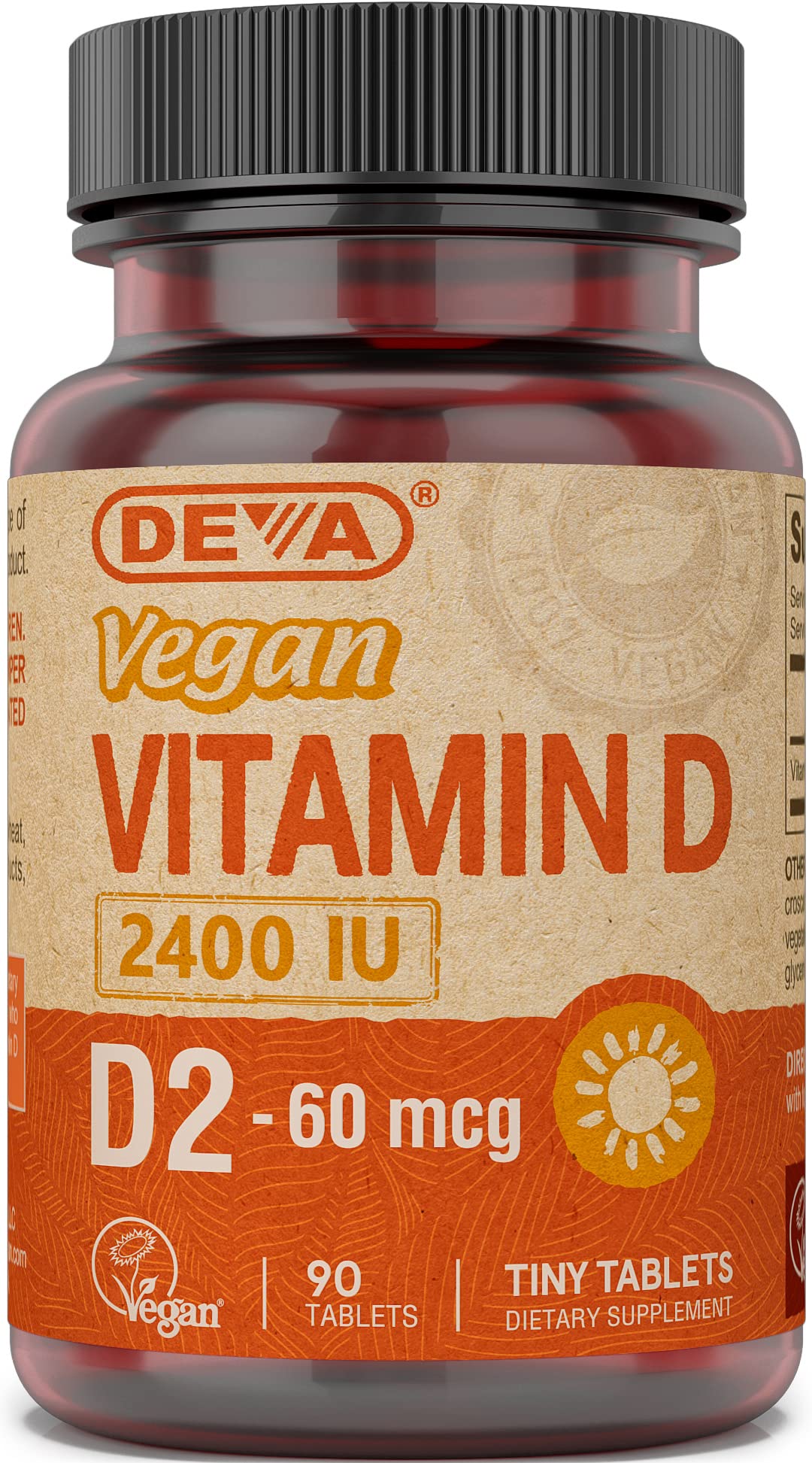
Yes, for most people. D3 (cholecalciferol) is approximately 87% more effective than D2 (ergocalciferol) at raising blood 25(OH)D levels, and it maintains those levels for significantly longer. D3 is also more stable in supplements and is the form your body naturally produces from sunlight. The only scenario where D2 may be preferred is for strict vegans who cannot access lichen-sourced D3.

Vitamin D comparison
Vitamin D3 vs D2: Which Form Should You Take?
Vitamin D3 (cholecalciferol) and vitamin D2 (ergocalciferol) are the two supplemental forms of vitamin D, but they are not equally effective. One raises blood levels faster, stays active longer, and is used by the body more efficiently — yet the other remains the go-to for vegans and is still widely prescribed.
This page breaks down every meaningful difference — bioavailability, duration in the body, vegan suitability, cost, and clinical evidence — so you can choose the right form in minutes.
Which one is right for your goal?
Select your primary health goal and we'll recommend the better form for you.
For fix deficiency:
Recommended Form
Vitamin D3
Match confidence
Strong evidence
Why this form for your goal
- D3 raises serum 25(OH)D nearly twice as effectively as D2 at identical doses
- A single D3 dose maintains elevated levels for weeks, not days
- The Endocrine Society explicitly recommends D3 over D2 for deficiency treatment
- D3 is the form naturally produced by your skin in response to UVB sunlight
Practical Guidance
Best time
With a meal containing fat
Typical dose
2,000–5,000 IU daily (or as prescribed)
Take with
Fat-containing meal
Avoid if
On an empty stomach
Vitamin D3 is the clear winner for correcting deficiency. A landmark 2011 study in the Journal of Clinical Endocrinology & Metabolism found that D3 is 87% more potent than D2 at raising serum 25(OH)D concentrations. D3 also has a longer half-life in circulation, meaning levels stay elevated between doses. The Endocrine Society guidelines explicitly recommend D3 for treating vitamin D deficiency.
Top products in this form on our site
Deficiency Correction Protocol
High-dose D3 loading + maintenance strategy
For bone health:
Recommended Form
Vitamin D3
Match confidence
Strong evidence
Why this form for your goal
- Vitamin D is essential for calcium absorption — without it, you absorb only 10–15% of dietary calcium
- D3 maintains higher sustained 25(OH)D levels, supporting consistent calcium metabolism
- Major bone health trials (WHI, VITAL) used D3, not D2
- Best paired with vitamin K2 to direct calcium to bones, not arteries
Practical Guidance
Best time
With largest meal
Typical dose
1,000–4,000 IU daily
Take with
Fat + calcium-rich food
Avoid if
Mega-doses without monitoring
Vitamin D is essential for calcium absorption — your body absorbs only 10–15% of dietary calcium without adequate vitamin D. D3 is preferred because it maintains more stable 25(OH)D levels over time, supporting consistent calcium metabolism. The major bone health intervention trials used D3. For optimal bone health, pair with vitamin K2 (MK-7) to ensure calcium is deposited in bone tissue rather than soft tissue.
Top products in this form on our site
Bone Health Protocol
D3 + K2 + calcium + weight-bearing exercise
For immune support:
Recommended Form
Vitamin D3
Match confidence
Strong evidence
Why this form for your goal
- Vitamin D receptors are present on virtually all immune cells
- D3 supplementation has been linked to reduced risk of respiratory infections in meta-analyses
- Consistent blood levels matter for immune readiness — D3 provides steadier levels than D2
- Winter supplementation is especially important when UVB exposure drops
Practical Guidance
Best time
Daily with food
Typical dose
1,000–4,000 IU daily
Take with
Fat-containing meal
Avoid if
Relying on sporadic mega-doses
Vitamin D plays a central role in immune function — vitamin D receptors are found on virtually every type of immune cell. A 2017 BMJ meta-analysis of 25 randomized controlled trials found that vitamin D supplementation reduced the risk of acute respiratory infections, with the strongest benefit seen in those with low baseline levels and daily or weekly dosing (not bolus). D3 is preferred because it maintains steadier blood levels.
Top products in this form on our site
Immune Support Protocol
D3 + zinc + vitamin C for year-round defense
For mood & energy:
Recommended Form
Vitamin D3
Match confidence
Moderate
Why this form for your goal
- Low vitamin D is consistently associated with depression and seasonal affective disorder (SAD)
- D3 supplementation improved depressive symptoms in multiple meta-analyses
- Steady D3 levels prevent the winter drop-off that triggers seasonal mood changes
- The effect is strongest in people who are deficient — get tested first
Practical Guidance
Best time
Morning with breakfast
Typical dose
2,000–4,000 IU daily
Take with
Fat-containing meal
Avoid if
Late evening (may affect sleep in some people)
Low vitamin D levels are consistently linked to depressive symptoms and seasonal affective disorder. A 2014 meta-analysis in the British Journal of Psychiatry found that vitamin D supplementation had a moderate positive effect on depression, particularly in people with clinically low levels. D3 is preferred because it maintains more stable blood levels throughout the darker months when mood effects are most pronounced.
Top products in this form on our site
Mood & Energy Protocol
D3 + omega-3 + morning light exposure
For vegan supplementation:
Recommended Form
Vegan D3 or D2
Match confidence
Moderate–strong
Why this form for your goal
- D2 is inherently vegan — derived from UV-irradiated fungi or yeast
- Lichen-sourced D3 is now available and certified vegan — offering D3 benefits without animal products
- If vegan D3 is accessible, it is the better choice due to superior potency and duration
- D2 remains a solid option if vegan D3 is not available in your area
Practical Guidance
Best time
With a meal containing plant fats
Typical dose
1,000–2,000 IU daily (higher if D2)
Take with
Avocado, nuts, or olive oil
Avoid if
Assuming fortified foods provide enough
For vegans, D2 has historically been the only option since standard D3 comes from lanolin (sheep wool oil). However, vegan D3 sourced from lichen is now widely available and offers the same superior bioavailability as animal-derived D3. If you can find lichen-based D3, it is the better choice. If not, D2 at slightly higher doses remains effective — just expect to need more frequent dosing to maintain optimal levels.
Top products in this form on our site
Vegan Vitamin D Protocol
Lichen D3 or higher-dose D2 + plant-based cofactors
For muscle & performance:
Recommended Form
Vitamin D3
Match confidence
Moderate
Why this form for your goal
- Vitamin D receptors are present in skeletal muscle tissue
- Deficiency is associated with muscle weakness and increased fall risk
- Athletes with sufficient D levels show better power output and recovery in studies
- D3 at 2,000–4,000 IU daily is commonly used in sports nutrition protocols
Practical Guidance
Best time
Morning or post-workout meal
Typical dose
2,000–4,000 IU daily
Take with
Post-workout meal with fat
Avoid if
Mega-doses (>10,000 IU) without bloodwork
Vitamin D receptors are found in skeletal muscle, and deficiency is associated with muscle weakness, fatigue, and increased fall risk in older adults. Several studies in athletes have shown that correcting low vitamin D levels improves muscle strength and power output. D3 is the preferred form because of its superior ability to raise and maintain the 25(OH)D levels associated with optimal musculoskeletal function.
Top products in this form on our site
Athletic Performance Protocol
D3 + creatine + protein for strength & recovery
For heart health:
Recommended Form
Vitamin D3
Match confidence
Moderate
Why this form for your goal
- Vitamin D receptors are expressed in heart muscle and blood vessel walls
- Low 25(OH)D levels are independently associated with higher cardiovascular risk in observational studies
- D3 supplementation may help lower blood pressure in deficient individuals
- D3 maintains steadier blood levels — important for consistent cardiovascular support
Practical Guidance
Best time
With breakfast or lunch
Typical dose
1,000–4,000 IU daily
Take with
Fat-containing meal
Avoid if
Mega-doses — excess vitamin D may promote arterial calcification
Vitamin D receptors are found in cardiac muscle cells, vascular smooth muscle, and endothelial cells. Observational studies consistently link low vitamin D status with increased risk of hypertension, heart failure, and cardiovascular mortality. A 2019 meta-analysis in the European Journal of Preventive Cardiology found that vitamin D supplementation modestly reduced blood pressure in deficient populations. D3 is preferred for its superior ability to maintain consistent blood levels over time.
Top products in this form on our site
Cardiovascular Support Protocol
D3 + K2 + omega-3 + magnesium for heart health
For general health:
Recommended Form
Vitamin D3
Match confidence
Strong evidence
Why this form for your goal
- An estimated 42% of US adults are vitamin D deficient — daily supplementation is the simplest fix
- D3 is more effective and longer-lasting than D2, making it the better maintenance choice
- Low-dose D3 (1,000–2,000 IU) is safe, affordable, and well-tolerated long-term
- Supports bone, immune, mood, muscle, and cardiovascular health simultaneously
Practical Guidance
Best time
Any meal with fat
Typical dose
1,000–2,000 IU daily
Take with
Fat-containing meal
Avoid if
Skipping for weeks then mega-dosing to catch up
For daily maintenance, D3 is the clear choice. It costs less per effective IU, raises blood levels more efficiently, and needs to be taken less frequently than D2 to maintain optimal status. A daily dose of 1,000–2,000 IU is sufficient for most adults to maintain 25(OH)D levels in the 30–50 ng/mL range recommended by most guidelines. Pair with vitamin K2 for best results, especially if taking 2,000+ IU daily.
Top products in this form on our site
Daily Wellness Protocol
D3 + K2 + magnesium — the foundational trio
Top products
Best Price
Vitamin D Protocols
Evidence-based protocols that include vitamin d — dosing, timing, and what to avoid.

Acne

Alcohol Withdrawal

Allergies and Immunity

Anti Inflammatory

Antiaging and Longevity

Anxiety

Asthma

Autoimmune Diseases

Back Pain

Blood Pressure

Bone and Joint Health

Brain Health And Cognition

Bronchitis

Cardiovascular Health

Chronic Fatigue Syndrome (CFS)

Cold and Flu

Crohn's Disease

Dementia

Depression

Diabetes

Epilepsy

Fever in Children

Fibromyalgia

General Health

Hair Growth

Healthy Lungs

Healthy Teeth

Immune System

Insulin Sensitivity

Keto

Kidney Health

Libido

Liver Health

Men's Health

Menopause

Migraines / Headaches

Mood

Multiple Sclerosis

Muscle Building and Exercise

Muscle Tension

Narcolepsy

Neck Pain
Osteoporosis

Premenstrual Syndrome (PMS)

Shingles

Sinus Health
Testosterone

Tonsillitis

Vertigo
Weight Loss

Women's Health
All forms of vitamin d, side by side
Tap a form to see what it does, what it's best for, and the trade-offs.
Vitamin D3 (Cholecalciferol)
The gold standard. Identical to what your body produces from sunlight — the most potent and longest-lasting form of supplemental vitamin D.
Potency
Very high
Half-life
Weeks
Best for
General use
Cost/serving
$0.03–$0.15
Pros
- 87% more effective than D2
- Stays active for weeks
- Most clinical evidence
Trade-offs
- Standard form is animal-derived
- Vegan option (lichen) costs more
- Can accumulate if over-dosed
Vitamin D2 (Ergocalciferol)
The plant-based form. Derived from UV-irradiated fungi — less potent than D3 but historically the only vegan option available.
Potency
Moderate
Half-life
Days
Best for
Vegans, Rx use
Cost/serving
$0.05–$0.20
Pros
- Inherently vegan
- Available by prescription (50,000 IU)
- Decades of clinical use
Trade-offs
- Less effective at raising blood levels
- Shorter duration in body
- Less stable in storage
Vegan D3 (Lichen-Sourced)
The best of both worlds. D3 potency from a plant-based lichen source — the ideal choice for vegans who want maximum effectiveness.
Potency
Very high
Half-life
Weeks
Best for
Vegan D3
Cost/serving
$0.10–$0.30
Pros
- D3 potency, 100% vegan
- Same bioavailability as lanolin D3
- Increasingly available
Trade-offs
- More expensive than standard D3
- Fewer brand options
- May be harder to find locally
Liquid Vitamin D3 Drops
Flexible dosing in oil. Easy to adjust dose per drop — ideal for children, precise dosing, or those who dislike swallowing pills.
Potency
Very high
Half-life
Weeks
Best for
Flexible dosing
Cost/serving
$0.03–$0.10
Pros
- Easy to dose precisely
- Pre-dissolved in oil for absorption
- Great for children
Trade-offs
- Easier to accidentally over-dose
- Needs careful storage
- Taste may vary by brand
Vitamin D3 + K2 Combo
The synergy stack. D3 for calcium absorption plus K2 (MK-7) to direct calcium into bones and away from arteries.
Potency
Very high
Half-life
Weeks
Best for
Bone health
Cost/serving
$0.10–$0.35
Pros
- Synergistic for bone health
- Reduces arterial calcification risk
- Two-in-one convenience
Trade-offs
- K2 dose may be too low in some combos
- Not needed if diet is K2-rich
- Slightly pricier
Quick Verdict
Vitamin D3
Choose D3 if you want the most effective form for raising and maintaining blood 25(OH)D levels — it is better absorbed, lasts longer, and is the form your body produces naturally from sunlight.
OR
Vitamin D2
Choose D2 if you follow a strict vegan diet and cannot find a lichen-sourced D3 supplement, or if your doctor specifically prescribes ergocalciferol.
- D3 raises serum 25(OH)D levels 87% more effectively than D2 at the same dose
- D3 stays active in the body significantly longer — weeks vs days
- D2 is the only traditionally vegan option, though vegan D3 from lichen now exists
- Both forms are safe at standard doses and convert to the active hormone calcitriol
Vitamin D3 vs Vitamin D2
Feature
Vitamin D3
Vitamin D2
Source
Animal-derived — lanolin (sheep wool), fish liver oil, or lichen (vegan D3)
Plant/fungal — UV-irradiated mushrooms or yeast (ergosterol)
Absorption
Highly efficient — readily absorbed and converted to 25(OH)D
Absorbed but converts to 25(OH)D less efficiently than D3
Effectiveness at raising blood levels
Superior — raises 25(OH)D levels 87% more effectively than D2
Moderate — raises levels but drops off faster and less consistently
Duration in body
Long — remains active for weeks; more stable in circulation
Short — clears from the body in days, requiring more frequent dosing
Best for
General supplementation, bone health, immune support, deficiency correction
Vegan supplementation, prescription use, fortified foods
Vegan suitability
Not traditionally — but lichen-sourced vegan D3 is now widely available
Yes — derived from fungi/yeast, inherently plant-based
Cost per serving
$0.03–$0.15 — very affordable and widely available
$0.05–$0.20 — slightly more expensive; less common in retail
Stability
More stable in supplements — longer shelf life, less degradation
Less stable — more sensitive to heat, humidity, and storage conditions
Research depth
Extensive — the most studied form, used in the majority of clinical trials
Moderate — well-known but fewer head-to-head trials against D3
Vitamin D3 — In Depth
What it is
Vitamin D3, also known as cholecalciferol, is the form of vitamin D naturally produced in human skin when exposed to UVB radiation from sunlight. In supplements, it is typically derived from lanolin (the oil in sheep wool) or, for vegan formulations, from lichen. D3 is biologically identical to the vitamin D your body makes on its own.
How it works
After ingestion or skin synthesis, D3 travels to the liver where it is converted to 25-hydroxyvitamin D (25(OH)D, or calcidiol) — the form measured in blood tests. It is then converted in the kidneys to the active hormone 1,25-dihydroxyvitamin D (calcitriol), which regulates calcium absorption, immune function, and gene expression. D3 is more efficient at this conversion pathway than D2, which is why the same dose of D3 raises blood levels more than D2.
Best for
- Anyone correcting vitamin D deficiency — D3 is 87% more effective than D2 at raising blood levels
- Daily maintenance supplementation — D3 stays active longer, requiring less frequent dosing
- People concerned about bone health, immune function, or mood — the majority of clinical evidence uses D3
- Athletes and active individuals who need consistent, optimal vitamin D status
What the research says
A pivotal 2011 study by Heaney et al. in the Journal of Clinical Endocrinology & Metabolism demonstrated that D3 is approximately 87% more potent than D2 at raising serum 25(OH)D levels, and has over 2–3 times the capacity to maintain those levels over time. A 2012 meta-analysis in the American Journal of Clinical Nutrition confirmed that D3 supplementation leads to significantly greater increases in 25(OH)D compared to D2. The Endocrine Society, based on this evidence, recommends D3 over D2 for both deficiency treatment and maintenance.
Vitamin D2 — In Depth
What it is
Vitamin D2, or ergocalciferol, is produced by exposing certain fungi or yeast to ultraviolet radiation. It was the first form of vitamin D used in supplements and remains the form most commonly prescribed in high-dose prescriptions (50,000 IU weekly). D2 is inherently plant-based and has historically been the only vegan vitamin D option.
How it works
D2 follows a similar metabolic pathway to D3 — it is hydroxylated in the liver to 25(OH)D2 and then activated in the kidneys. However, D2 binds less effectively to vitamin D-binding protein in the blood, which means it is cleared from circulation faster. This shorter half-life is why D2 is less effective at maintaining sustained blood levels compared to D3, especially with weekly or monthly dosing.
Best for
- Strict vegans who cannot access lichen-sourced D3 supplements
- Patients prescribed high-dose ergocalciferol by their doctor (50,000 IU weekly)
- People in regions where D3 supplements are less available or more expensive
- Those consuming vitamin D through fortified foods — most fortified foods use D2
What the research says
A 2004 study in the American Journal of Clinical Nutrition by Armas et al. showed that a single dose of D2 produced an initial rise in 25(OH)D comparable to D3, but levels fell rapidly after day 3, while D3 levels remained elevated for up to 14 days. A Cochrane-style review in 2014 concluded that D3 is more effective than D2 at raising and sustaining 25(OH)D, particularly at doses above 1,000 IU. Despite this, D2 remains widely prescribed in the US — partly because the 50,000 IU prescription formulation is only available as D2.
How to choose a vitamin d brand
Not all vitamin d supplements are created equal. Here's what to check before you buy.
Third-party testing
Look for USP, NSF, or independent lab verification. Vitamin D supplements frequently fail potency testing — some contain significantly more or less than labeled. Third-party testing ensures you get what you pay for.
Form clearly stated on label
The label should specify D3 (cholecalciferol) or D2 (ergocalciferol). Many cheap multivitamins use D2 without clearly stating it. If the label just says "Vitamin D" without specifying the form, it may be D2.
Dosage in IU and mcg
The label should list both IU (International Units) and mcg. The conversion is 1 mcg = 40 IU. This dual listing helps you compare products and verify doses accurately.
Oil-based or with fat source
Vitamin D is fat-soluble. Softgels in oil (olive, coconut, MCT) or liquid drops in oil are absorbed better than dry tablets. If using tablets, always take with a fat-containing meal.
Minimal fillers and additives
A quality vitamin D supplement needs very few ingredients — D3, a carrier oil, and a softgel shell. Avoid products with unnecessary artificial colors, excessive flow agents, or fillers.
Source transparency
For D3: lanolin-sourced is standard; vegans should look for lichen-sourced and certified vegan/vegetarian. For D2: should specify UV-irradiated mushroom or yeast origin. Transparent sourcing is a sign of a quality brand.
Top brands


FAQ
Vitamin D3 is better absorbed and more efficiently converted to the active form in your body. Both forms are fat-soluble, so taking either with a meal containing fat improves absorption significantly. For best results, choose D3 in a softgel or liquid form suspended in oil (olive, coconut, or MCT oil).
Yes. Vitamin D2 (ergocalciferol) is derived from UV-irradiated fungi or yeast, making it inherently plant-based and suitable for vegans. It has been the standard vegan vitamin D option for decades. However, vegan D3 sourced from lichen is now widely available and offers better potency.
Yes — if it is sourced from lichen. Traditional D3 comes from lanolin (sheep wool oil) and is not vegan. However, multiple brands now offer D3 extracted from lichen, a type of organism that naturally produces cholecalciferol. Lichen-sourced D3 is certified vegan and provides the same superior bioavailability as animal-derived D3.
For most people, D3 is the better choice. It raises blood levels more effectively, stays active longer, and has a much larger body of clinical evidence. Choose D2 only if you are vegan and cannot find lichen-sourced D3, or if your doctor specifically prescribes ergocalciferol. If you currently take D2 and want to switch, consult your healthcare provider about equivalent dosing.
The recommended daily intake ranges from 600–800 IU for most adults (NIH). However, many researchers and clinicians suggest 1,000–4,000 IU daily to achieve optimal blood levels of 40–60 ng/mL. If you are deficient (below 30 ng/mL), your doctor may recommend 5,000–10,000 IU daily for 8–12 weeks. Always test your 25(OH)D levels before starting high-dose supplementation.
Yes. The NIH Tolerable Upper Intake Level is 4,000 IU per day for adults. Chronic intake above 10,000 IU daily without medical supervision can lead to vitamin D toxicity (hypervitaminosis D), causing dangerously high calcium levels, kidney damage, and cardiovascular issues. Toxicity is rare from sun exposure or food — it occurs almost exclusively from supplement overuse. Get bloodwork before taking high doses.
Sources & References
6 peer-reviewed sources cited
1
Heaney RP, et al. Vitamin D3 is more potent than vitamin D2 in humans. Journal of Clinical Endocrinology & Metabolism. 2011;96(3):E447-E452.
View source
2
Tripkovic L, et al. Comparison of vitamin D2 and vitamin D3 supplementation in raising serum 25-hydroxyvitamin D status: a systematic review and meta-analysis. American Journal of Clinical Nutrition. 2012;95(6):1357-1364.
View source
3
Armas LA, et al. Vitamin D2 is much less effective than vitamin D3 in humans. Journal of Clinical Endocrinology & Metabolism. 2004;89(11):5387-5391.
View source
4
Martineau AR, et al. Vitamin D supplementation to prevent acute respiratory tract infections: systematic review and meta-analysis of individual participant data. BMJ. 2017;356:i6583.
View source
5
Anglin RE, et al. Vitamin D deficiency and depression in adults: systematic review and meta-analysis. British Journal of Psychiatry. 2013;202:100-107.
View source
6
National Institutes of Health. Vitamin D — Fact Sheet for Health Professionals. Office of Dietary Supplements. Updated 2023.
View source
The information on this site is for educational purposes only and is not medical advice. Talk to a healthcare professional before starting any supplement, especially if you take medication. Some links are affiliate links and we may earn a commission at no cost to you.