



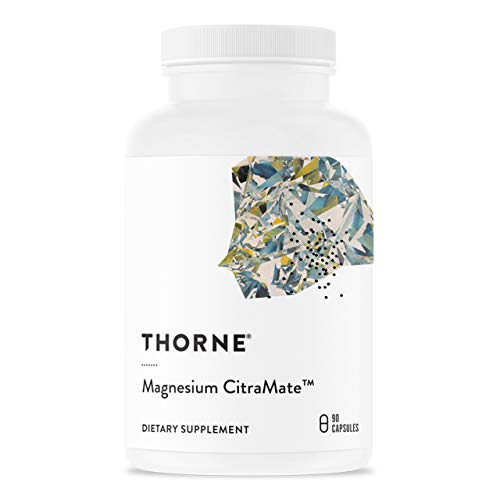
It depends on your goal. Glycinate is better for sleep, stress, and GI-sensitive individuals because glycine has independent calming properties and the chelated form is gentle on the stomach. Citrate is better for general magnesium replenishment and constipation relief, and it costs less. Neither is objectively "better" — they serve different purposes.

Magnesium comparison
Magnesium Glycinate vs Citrate: Which Form Should You Take?
Magnesium glycinate and magnesium citrate are two of the most popular supplemental forms of magnesium, but they serve different purposes and suit different people. Choosing the wrong form can mean poor absorption, unnecessary side effects, or simply paying more than you need to.
This page breaks down every meaningful difference — bioavailability, GI tolerance, cost, best use cases — so you can pick the right one in minutes, not hours.
Which one is right for your goal?
Select your primary health goal and we'll recommend the better form for you.
For better sleep:
Recommended Form
Magnesium Glycinate
Match confidence
Strong evidence
Why this form for your goal
- Glycine itself acts as a calming neurotransmitter, independent of magnesium
- Highly bioavailable and gentle on the digestive tract
- Clinical trials show improved sleep quality and reduced sleep latency in adults
- Won't cause loose stools that disrupt sleep, unlike citrate or oxide
Practical Guidance
Best time
30–60 min before bed
Typical dose
200–400 mg elemental
Take with
Light snack
Avoid if
On muscle relaxers
Magnesium glycinate is the clear winner for sleep. The amino acid glycine has independent sleep-promoting properties — it lowers core body temperature and increases serotonin availability, both of which help with sleep onset and depth. A 2015 study in Neuropsychopharmacology found that glycine improved subjective sleep quality in participants with mild sleep concerns. Citrate works for raising magnesium levels but lacks these neurological sleep benefits.
Top products in this form on our site
Sleep Optimization Protocol
Combine this magnesium with 4 other evidence-backed steps
For stress & anxiety:
Recommended Form
Magnesium Glycinate
Match confidence
Strong evidence
Why this form for your goal
- Glycine modulates GABA receptors — promotes calm without sedation
- Systematic reviews link magnesium repletion to reduced subjective anxiety
- No GI distress means consistent daily use, which matters for stress effects
- Pairs well with adaptogens like ashwagandha or L-theanine
Practical Guidance
Best time
Morning or split dose
Typical dose
300–400 mg elemental
Take with
Food
Avoid if
Severe kidney issues
Glycinate is preferred for anxiety and stress management. Glycine acts as an inhibitory neurotransmitter and co-agonist at NMDA receptors, contributing a calming effect on top of magnesium's own GABA-supporting role. This dual mechanism makes glycinate more effective for nervous system support than citrate, which provides only the magnesium component.
Top products in this form on our site
Stress & HRV Protocol
Magnesium + adaptogens + breathwork to lower cortisol
For constipation:
Recommended Form
Magnesium Citrate
Match confidence
Strong evidence
Why this form for your goal
- Osmotic effect draws water into the colon — well-documented gentle laxative
- Acts within 30 min – 6 hours; predictable for occasional use
- Affordable and widely available in pharmacies
- Higher doses (400 mg+) intensify the laxative effect on demand
Practical Guidance
Best time
Morning or evening
Typical dose
200–400 mg elemental
Take with
Plenty of water
Avoid if
Diarrhea, IBS-D
Citrate is the better choice here — its osmotic effect draws water into the intestines, making it useful for people dealing with occasional constipation. This is a feature, not a bug, when digestive regularity is the goal. Glycinate has minimal impact on bowel function, which is preferable for most people but not when you specifically want GI motility support.
Top products in this form on our site
Gut Health Protocol
Pair with fiber, hydration, and motility support
For muscle cramps:
Recommended Form
Glycinate or Citrate
Match confidence
Moderate–strong
Why this form for your goal
- Magnesium's role in muscle relaxation is form-independent once absorbed
- Glycinate adds sleep support — helpful for overnight muscle recovery
- Citrate delivers same muscular benefits at a lower price point
- Best taken consistently — acute one-off doses won't prevent cramps
Practical Guidance
Best time
Post-workout or before bed
Typical dose
300–400 mg elemental
Take with
Carbs/protein
Avoid if
Renal disease
Both forms work well for muscle recovery and cramp prevention. Magnesium's role in muscle relaxation and ATP production is form-independent once absorbed. If you train hard and also want sleep support, glycinate is the better choice. If budget matters and you tolerate it well, citrate delivers the same muscular benefits at a lower price point.
Top products in this form on our site
Athletic Recovery Protocol
Magnesium + creatine + electrolytes for training volume
For energy & fatigue:
Recommended Form
Magnesium Citrate
Match confidence
Moderate
Why this form for your goal
- Citric acid participates in mitochondrial ATP production via the Krebs cycle
- Magnesium is a cofactor in 300+ enzymatic reactions including energy metabolism
- Daytime-friendly: citrate is not sedating like glycinate can be
- Energy effects build over weeks of consistent supplementation, not hours
Practical Guidance
Best time
Morning + lunch
Typical dose
200–400 mg elemental
Take with
Food
Avoid if
Late evening (may energize)
For energy and fatigue, citrate has a slight edge. Citric acid is a Krebs-cycle intermediate involved in mitochondrial ATP production. While glycinate works well for raising magnesium levels, its calming glycine component can be mildly sedating — not ideal when energy is the goal. Citrate provides effective magnesium repletion without drowsiness at a lower cost.
Top products in this form on our site
Energy & Mitochondrial Protocol
Mg citrate + CoQ10 + B-complex stack
For brain & focus:
Recommended Form
Magnesium Glycinate
Match confidence
Moderate
Why this form for your goal
- Glycine acts as an inhibitory neurotransmitter, supporting neuronal health
- Better absorbed with fewer GI side effects for consistent daily use
- For targeted cognitive benefits, consider L-Threonate (Magtein) instead
- Glycinate supports overall nervous system function as a strong baseline
Practical Guidance
Best time
Split AM/PM
Typical dose
200–400 mg elemental
Take with
Food
Avoid if
If pregnant — consult MD
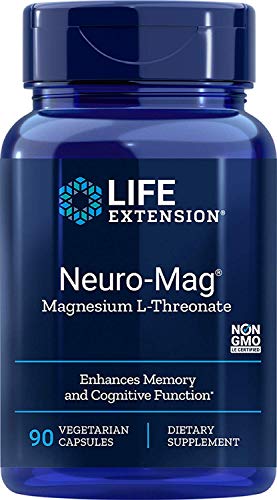
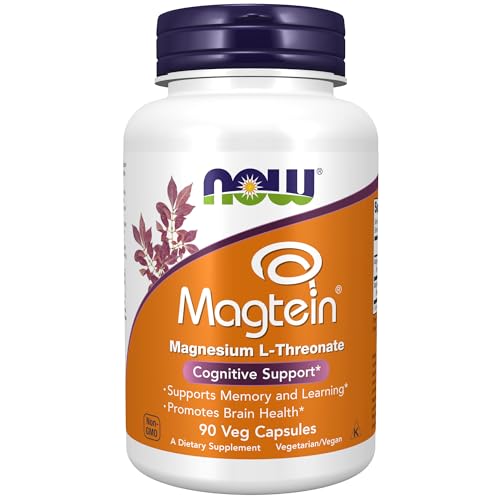
Between glycinate and citrate, glycinate is preferred for cognitive goals. Glycine supports neurotransmitter regulation and has neuroprotective properties. However, for targeted brain benefits, magnesium L-threonate (Magtein) is the only form proven to cross the blood-brain barrier effectively. If choosing between glycinate and citrate specifically, glycinate's nervous system support gives it the edge.
Top products in this form on our site
Cognitive Enhancement Protocol
Magnesium + omega-3 + lion's mane stack
For heart health:
Recommended Form
Glycinate or Citrate
Match confidence
Moderate–strong
Why this form for your goal
- Magnesium regulates heart rhythm and supports blood vessel relaxation
- Both glycinate and citrate effectively raise serum magnesium levels
- AHA recommends adequate magnesium for cardiovascular health without specifying form
- For dedicated heart support, consider magnesium taurate (taurine adds cardiac benefits)
Practical Guidance
Best time
Morning, with food
Typical dose
300–400 mg elemental
Take with
Food
Avoid if
On certain BP meds — ask MD
Magnesium plays a critical role in cardiovascular function — regulating heart rhythm, supporting blood vessel relaxation, and maintaining healthy blood pressure. Both glycinate and citrate effectively raise serum magnesium levels. The American Heart Association recommends adequate magnesium intake for cardiovascular health without specifying a form. Choose based on tolerance and budget.
Top products in this form on our site
Cardiovascular Health Protocol
Magnesium + omega-3 + CoQ10 for heart support
For general health:
Recommended Form
Citrate or Glycinate
Match confidence
Strong
Why this form for your goal
- Citrate offers best balance of bioavailability, cost, and availability
- Glycinate is gentler on the stomach — ideal if you have GI sensitivity
- Both are well-studied forms with decades of clinical use
- Choose citrate for value, glycinate for comfort
Practical Guidance
Best time
Anytime with food
Typical dose
200–400 mg elemental
Take with
Food + water
Avoid if
If prone to loose stools (choose glycinate)
For simple magnesium replenishment without a specific health goal, both forms are effective. Citrate offers better value per milligram and is easier to find. Glycinate is gentler on the stomach and won't cause the laxative effect that some people experience with citrate. If cost is a priority, go with citrate. If comfort matters more, go with glycinate.
Top products in this form on our site
Foundational Health Stack
Magnesium + D3 + omega-3 — the daily essentials
Top products
Magnesium Protocols
Evidence-based protocols that include magnesium — dosing, timing, and what to avoid.

Acne

Alcohol Withdrawal

Anxiety

Asthma

Autoimmune Diseases

Back Pain

Blood Pressure

Bone and Joint Health

Cardiovascular Health

Chronic Fatigue Syndrome (CFS)

Crohn's Disease

Diabetes

Ear Infection

Energy and Stimulation

Epilepsy

Fibromyalgia

Gallstones

General Health

Gout

Heart Health

IBS

Insulin Sensitivity

Keto

Migraines / Headaches

Mood

Multiple Sclerosis

Muscle Tension

Narcolepsy

Neck Pain

Osteoporosis

Premenstrual Syndrome (PMS)

Quit Smoking

Sleeping

Stress

Thyroid

Tinnitus

Vertigo

Women's Health
All forms of magnesium, side by side
Tap a form to see what it does, what it's best for, and the trade-offs.
Magnesium Glycinate
The gentle, calming form. Magnesium bound to glycine — high absorption, low GI side effects, and glycine itself supports sleep and mood.
Bioavailability
High
Elemental Mg
~14%
Best for
Sleep, stress
Cost/serving
$0.15–$0.40
Pros
- Excellent for sleep and anxiety
- Very gentle on stomach
- Glycine has independent benefits
Trade-offs
- Lower elemental content per pill
- More expensive than oxide/citrate
- Mild drowsiness at high doses
Magnesium Citrate
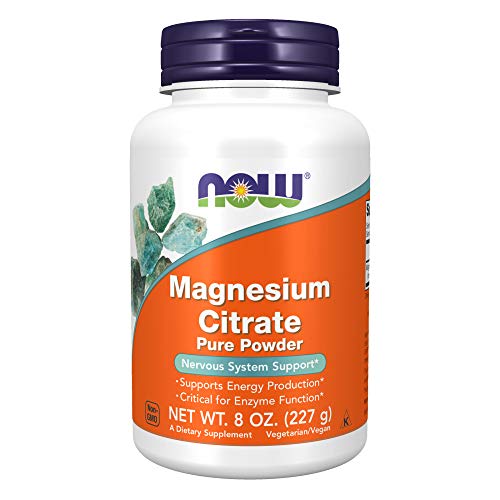
The well-rounded workhorse. Bound to citric acid for good absorption and a mild osmotic laxative effect — ideal for daily replenishment.
Bioavailability
High
Elemental Mg
~16%
Best for
General health, constipation
Cost/serving
$0.05–$0.20
Pros
- Very affordable
- Decades of clinical use
- Helps with occasional constipation
Trade-offs
- Loose stools at higher doses
- Not ideal for IBS-D
- Less calming than glycinate
Magnesium Malate
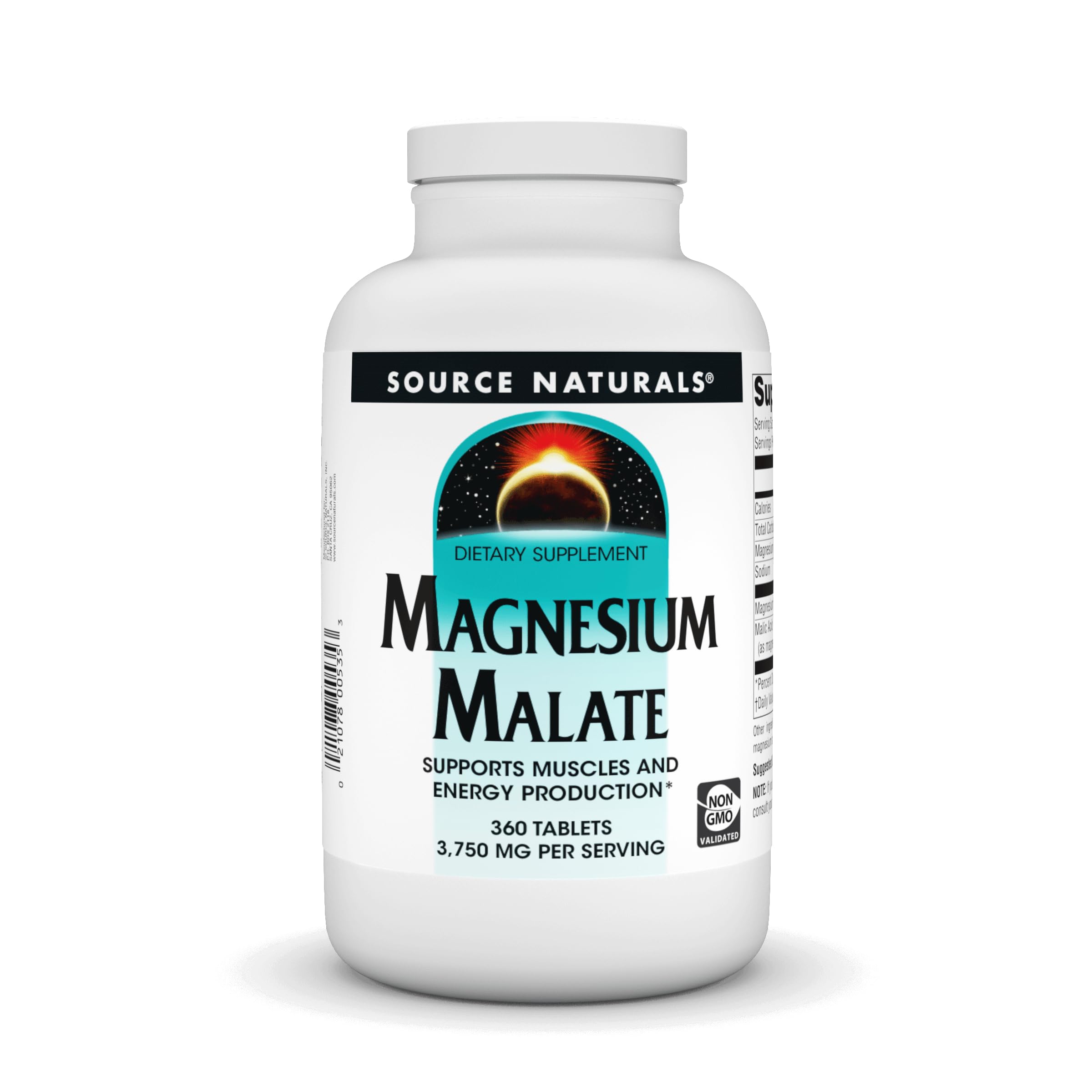
The energy form. Bound to malic acid — a Krebs-cycle intermediate. Often used by athletes and people with fatigue.
Bioavailability
High
Elemental Mg
~6.5%
Best for
Energy, muscle recovery
Cost/serving
$0.20–$0.45
Pros
- Supports mitochondrial energy
- Anecdotal benefit for fibromyalgia
- Daytime-friendly, not sedating
Trade-offs
- Lower elemental content
- Pricier than citrate
- Limited large clinical trials
Magnesium L-Threonate
The brain-targeting form. The only form shown to meaningfully cross the blood-brain barrier — used for cognition and memory.
Bioavailability
Moderate
Elemental Mg
~8%
Best for
Brain, memory
Cost/serving
$0.80–$1.80
Pros
- Crosses blood-brain barrier
- Cognitive benefits in trials
- Patented Magtein® form
Trade-offs
- Most expensive form
- Lower systemic Mg per dose
- Limited long-term safety data
Magnesium Taurate
The cardiovascular form. Bound to taurine, which independently supports heart rhythm and vascular function.
Bioavailability
High
Elemental Mg
~9%
Best for
Heart health, BP
Cost/serving
$0.40–$0.80
Pros
- Taurine adds cardiac benefits
- Gentle on stomach
- Calming without sedation
Trade-offs
- Smaller body of research
- Less common in stores
- Mid-range price
Magnesium Oxide
The cheapest form — but the least absorbed. Mostly useful as a short-term laxative, not for repleting magnesium status.
Bioavailability
Very low (~4%)
Elemental Mg
~60%
Best for
Acute laxative use
Cost/serving
$0.02–$0.08
Pros
- Very cheap
- High elemental content per pill
- Effective short-term laxative
Trade-offs
- Poorly absorbed
- Strong GI side effects
- Not for repletion
Magnesium Chloride
The topical favorite. Often used in oils and sprays for transdermal application; also taken orally with reasonable absorption.
Bioavailability
High
Elemental Mg
~12%
Best for
Topical application
Cost/serving
$0.20–$0.40
Pros
- Versatile (oral + topical)
- Well absorbed
- Useful for muscle soaks
Trade-offs
- Bitter taste
- Can irritate skin in sensitive users
- Less data on transdermal claims
Magnesium Sulfate
Epsom salt. Primarily used in baths or as a clinical IV. Limited evidence for transdermal absorption claims.
Bioavailability
Variable
Elemental Mg
~10%
Best for
Baths, IV (clinical)
Cost/serving
Pennies
Pros
- Cheap and accessible
- Relaxing bath ritual
- Strong oral laxative
Trade-offs
- Weak evidence for skin absorption
- Harsh oral GI effects
- Not for daily oral use
Quick Verdict
Magnesium Glycinate
Choose Glycinate if you want a gentle, well-absorbed form — especially for sleep, anxiety, or if you have a sensitive stomach.
OR
Magnesium Citrate
Choose Citrate if you want an affordable, widely available form for general magnesium replenishment or mild constipation relief.
- Glycinate is better tolerated and less likely to cause digestive issues
- Citrate is more cost-effective and easier to find in stores
- Both have high bioavailability — the difference is in side effects and secondary benefits
- For sleep specifically, glycinate wins due to the calming effect of glycine
Magnesium Glycinate vs Magnesium Citrate
Feature
Magnesium Glycinate
Magnesium Citrate
Bioavailability
High — efficiently absorbed with minimal GI loss
High — well absorbed, but stronger osmotic effect in the gut
Best for
Sleep, anxiety, stress relief, long-term daily use
General replenishment, constipation relief, budget-conscious use
GI tolerance
Excellent — rarely causes laxative effects
Moderate — may cause loose stools at higher doses
Elemental Mg content
~14% elemental magnesium by weight
~16% elemental magnesium by weight
Bonus benefits
Glycine supports sleep quality, collagen synthesis, and neurotransmitter regulation
Citric acid supports energy metabolism via the Krebs cycle
Side effects
Minimal — mild drowsiness at high doses
Laxative effect is common, especially above 300 mg elemental
Cost per serving
$0.15–$0.40 — moderately priced
$0.05–$0.20 — one of the cheapest forms
Availability
Widely available online, less common in drugstores
Available everywhere — pharmacies, grocery stores, online
Research depth
Strong evidence for glycine and sleep; moderate for the chelated form specifically
Well-studied form with decades of clinical use
Magnesium Glycinate — In Depth
What it is
Magnesium glycinate (also called magnesium bisglycinate) is a chelated form of magnesium bound to two molecules of the amino acid glycine. "Chelated" means the magnesium ion is wrapped in an organic molecule, which protects it from interacting with other compounds in the digestive tract and improves absorption.
How it works
The glycine-magnesium bond remains stable through the stomach and upper intestine, allowing more magnesium to reach the absorption sites in the small intestine. Once absorbed, the glycine is released and used by the body as a neurotransmitter and building block for proteins. This means you get the benefits of both magnesium and glycine in a single supplement.
Best for
- People who take magnesium daily and want to avoid GI side effects
- Anyone using magnesium specifically for sleep or relaxation
- Individuals with anxiety or high stress levels who want nervous system support
- People with sensitive stomachs who have experienced digestive issues with other magnesium forms
What the research says
A randomized trial published in the Journal of Research in Medical Sciences (2012) found that magnesium supplementation significantly improved sleep quality in elderly patients with insomnia. While this study used magnesium in general, the glycine component adds additional value: a separate study in Sleep and Biological Rhythms (2007) found that 3g of glycine before bed improved subjective sleep quality and reduced daytime sleepiness.
Magnesium Citrate — In Depth
What it is
Magnesium citrate is magnesium bound to citric acid, one of the most commonly used organic acids in supplements. It dissolves well in water, has a slightly tart taste, and is one of the most bioavailable non-chelated forms of magnesium available.
How it works
Citric acid helps keep magnesium in a soluble form in the stomach, which aids absorption. However, the citrate compound also has an osmotic effect — it draws water into the intestines, which is why it can cause loose stools at moderate-to-high doses. This property makes it useful as a gentle laxative but less ideal for people who want to avoid GI effects.
Best for
- People who need affordable, effective magnesium supplementation
- Anyone dealing with occasional constipation (the osmotic effect is a benefit here)
- General magnesium replenishment when sleep or anxiety is not the primary goal
- People who prefer powder or liquid forms — citrate dissolves easily in water
What the research says
A 2003 study in Magnesium Research compared the bioavailability of different magnesium forms and found citrate to be significantly more bioavailable than magnesium oxide. A 2017 systematic review in Nutrients confirmed that magnesium supplementation broadly improves sleep, anxiety, and cardiovascular markers, with citrate being among the better-absorbed forms tested.
How to choose a magnesium brand
Not all magnesium supplements are created equal. Here's what to check before you buy.
Third-party testing
Look for NSF, USP, or independent lab verification. This ensures the product contains what the label claims and is free from heavy metals and contaminants.
Dosage transparency
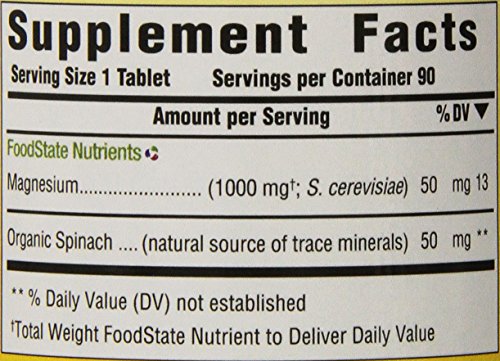
The label should clearly state elemental magnesium per serving, not just compound weight. A product listing "500 mg magnesium glycinate" may contain only 70 mg of elemental magnesium.
Clean ingredients
Avoid products with unnecessary fillers, artificial colors, or titanium dioxide. A quality magnesium supplement needs very few excipients.
Form clearly listed on label
The specific form (glycinate, citrate, oxide, etc.) should be clearly stated. Products that just say "magnesium" without specifying the form are usually oxide — the cheapest and least bioavailable form.
No unnecessary fillers
Watch for magnesium stearate used in excessive amounts, unnecessary flow agents, or artificial sweeteners in powder forms. These don't add value and may reduce absorption.
Reputable supplement brand
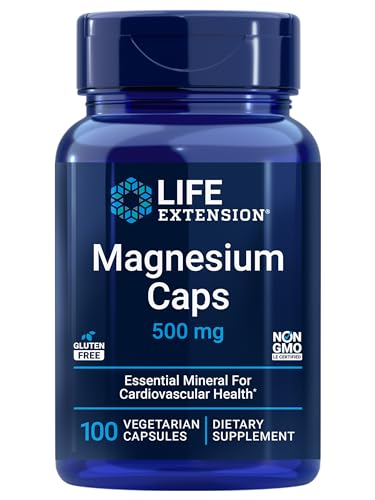
Choose brands with a track record of quality, published Certificates of Analysis, and transparent sourcing. Established brands like NOW, Doctor's Best, Life Extension, and Thorne have consistent quality records.
Top brands


FAQ
Yes, you can safely take both forms together. Some people combine them — glycinate in the evening for sleep support and citrate in the morning for general replenishment. Just ensure your total elemental magnesium stays below the NIH Tolerable Upper Intake Level of 350 mg per day from supplements.
Magnesium glycinate is the best form for sleep. The glycine carrier has its own sleep-promoting properties — it helps lower core body temperature and modulate GABA receptors. Magnesium L-threonate is another option that may benefit sleep by crossing the blood-brain barrier, but it is more expensive and has less direct clinical evidence for sleep outcomes than glycinate.
Magnesium glycinate is the gentlest form. Because it is chelated (bound to glycine), it bypasses the osmotic mechanisms that cause the laxative effect seen with citrate, oxide, and other salt-based forms. If you have a history of GI sensitivity to supplements, glycinate is the safest choice.
The Recommended Dietary Allowance (RDA) for magnesium is 310–420 mg per day for adults, depending on age and sex. For supplementation specifically, the NIH sets the Tolerable Upper Intake Level at 350 mg of elemental magnesium per day from supplements. Most people benefit from 200–400 mg elemental magnesium daily. Always check labels for elemental content, not compound weight.
Yes, significantly. Magnesium oxide, the cheapest form, has only about 4% bioavailability — meaning most of it passes through unabsorbed. Glycinate and citrate both have much higher absorption rates. Beyond absorption, the carrier molecule matters: glycine supports sleep and neurotransmitter function, while citric acid supports energy metabolism. The form you choose directly affects both how much magnesium you absorb and what secondary benefits you get.
Sources & References
6 peer-reviewed sources cited
1
Abbasi B, et al. The effect of magnesium supplementation on primary insomnia in elderly: a double-blind placebo-controlled clinical trial. Journal of Research in Medical Sciences. 2012;17(12):1161-1169.
View source
2
Bannai M, Kawai N. New therapeutic strategy for amino acid medicine: glycine improves the quality of sleep. Journal of Pharmacological Sciences. 2012;118(2):145-148.
View source
3
Boyle NB, et al. The effects of magnesium supplementation on subjective anxiety and stress — a systematic review. Nutrients. 2017;9(5):429.
View source
4
Walker AF, et al. Mg citrate found more bioavailable than other Mg preparations in a randomised, double-blind study. Magnesium Research. 2003;16(3):183-191.
View source
5
Inagawa K, et al. Subjective effects of glycine ingestion before bedtime on sleep quality. Sleep and Biological Rhythms. 2006;4(1):75-77.
View source
6
National Institutes of Health. Magnesium — Fact Sheet for Health Professionals. Office of Dietary Supplements. Updated 2022.
View source
The information on this site is for educational purposes only and is not medical advice. Talk to a healthcare professional before starting any supplement, especially if you take medication. Some links are affiliate links and we may earn a commission at no cost to you.