
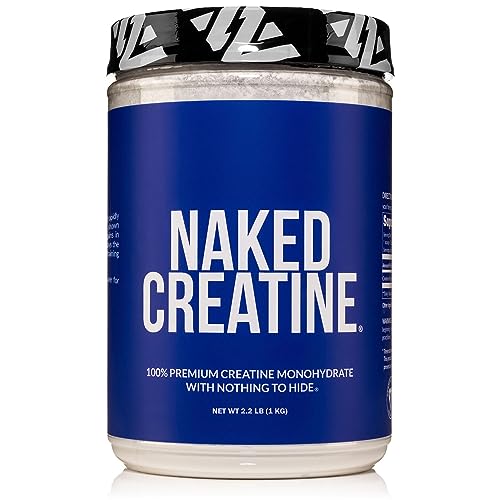
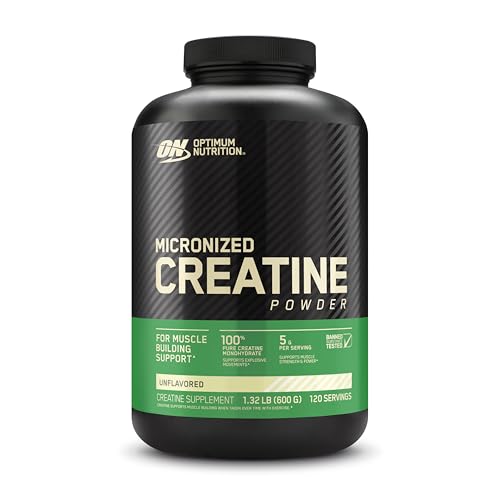
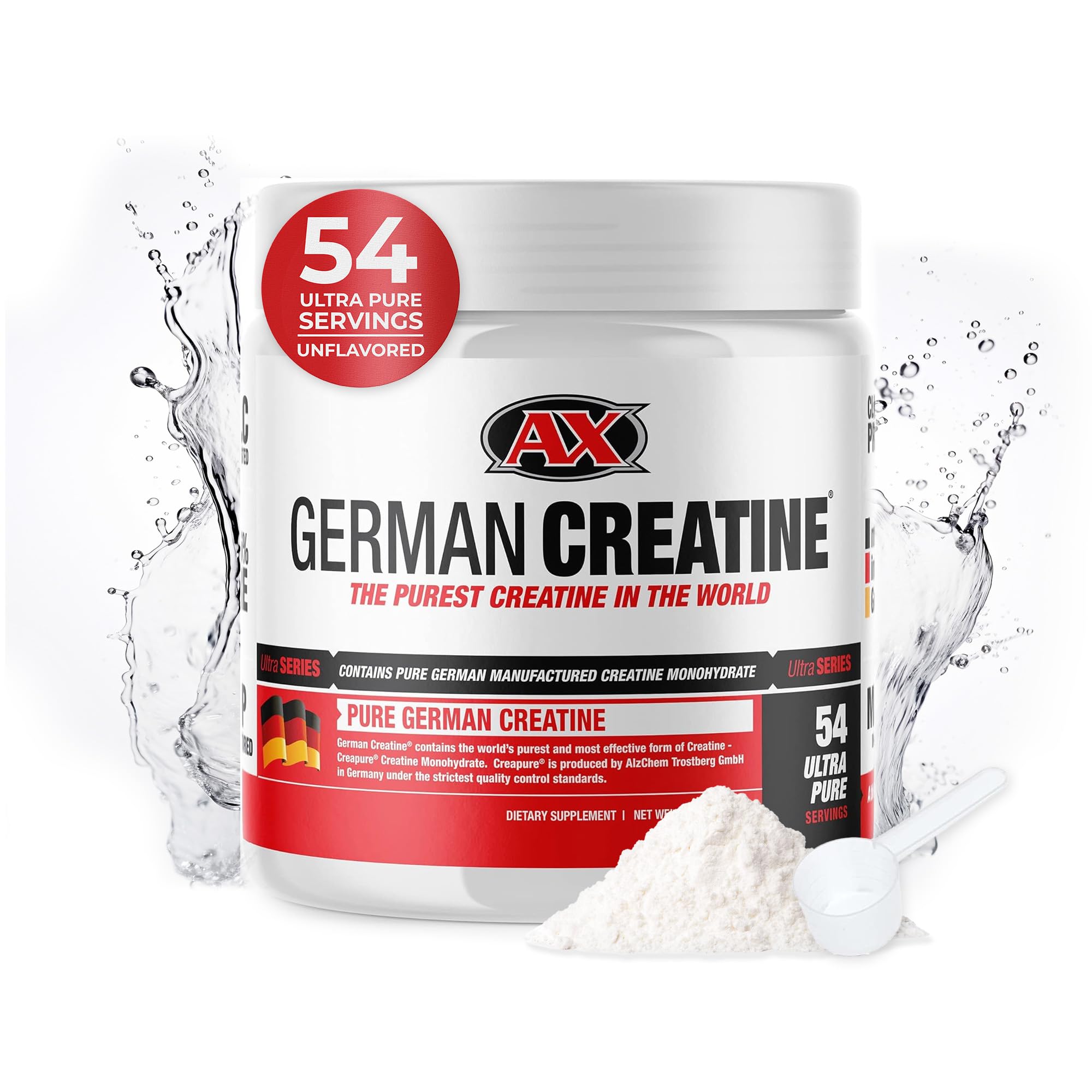
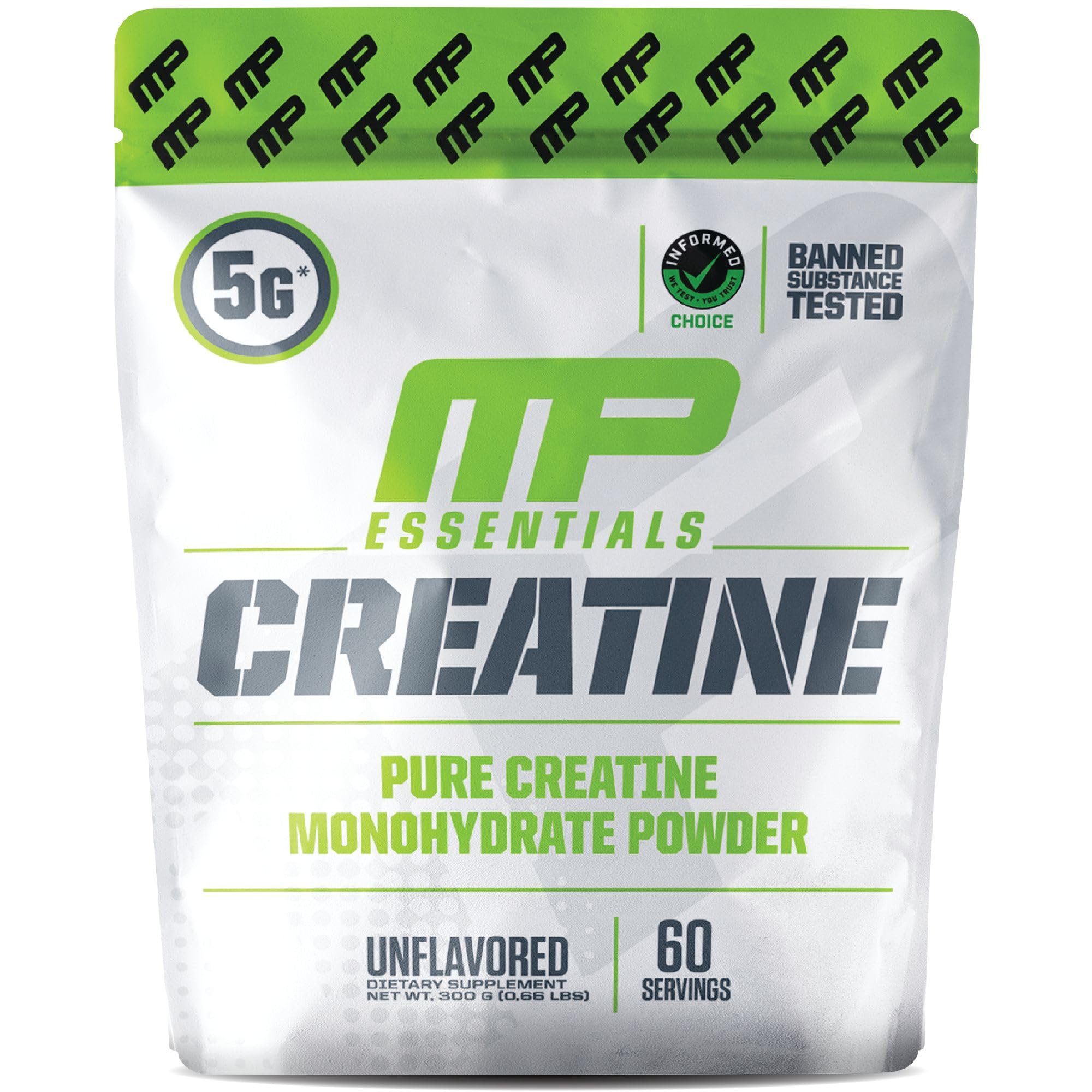
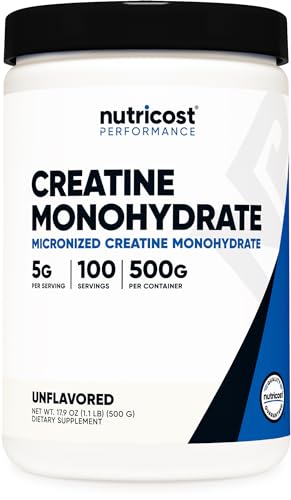
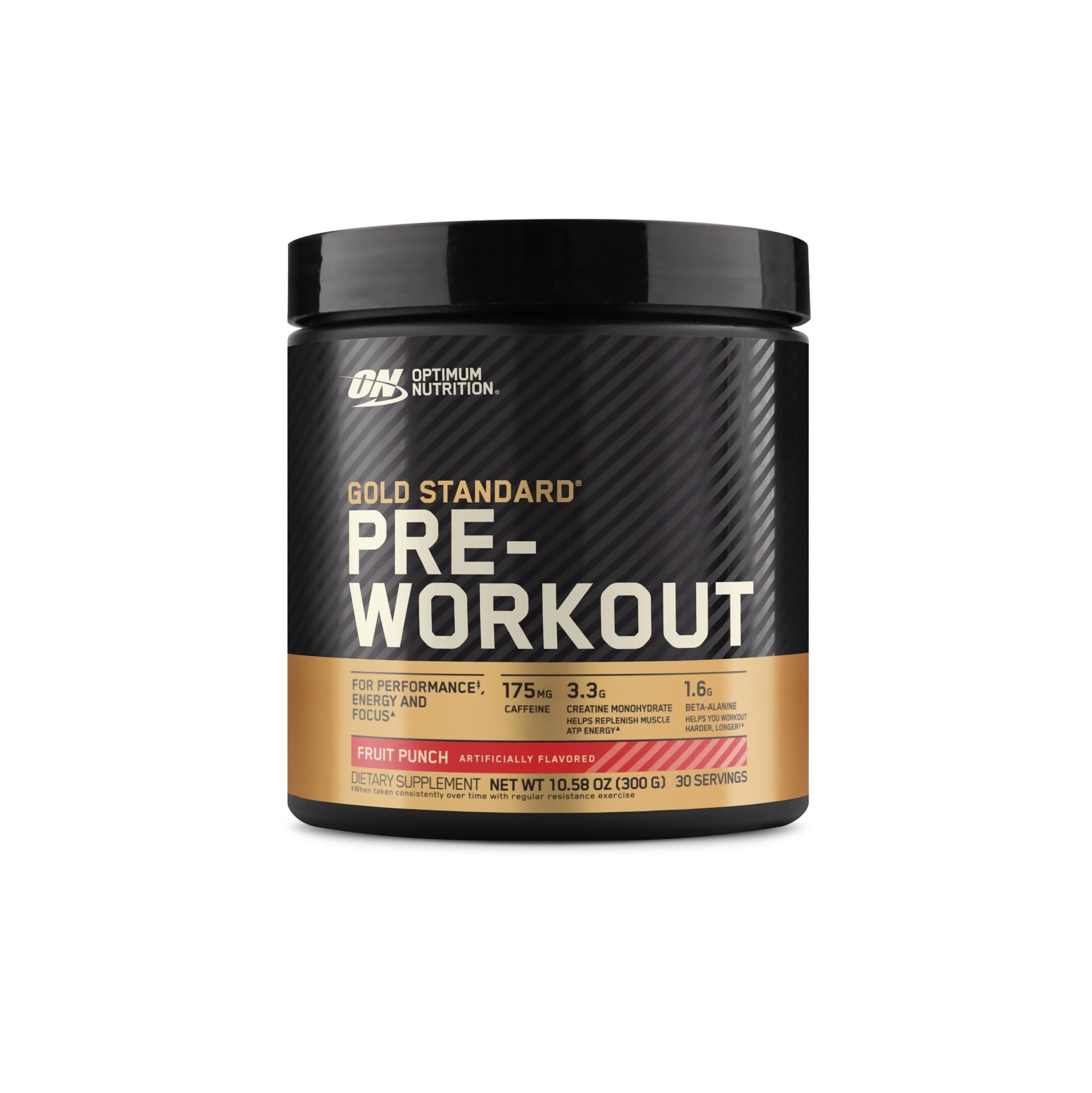
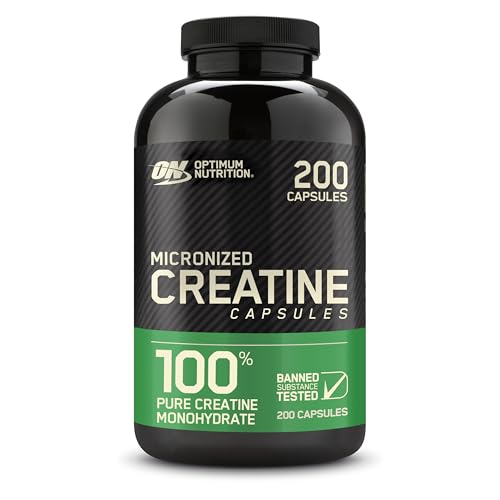
Not for most people. Monohydrate has over 500 studies supporting its safety and effectiveness for muscle gain, strength, and performance. HCL has far less research but may be better for individuals who experience GI issues or bloating with monohydrate. For proven results, monohydrate remains the gold standard recommended by every major sports nutrition organization.

Creatine comparison
Creatine Monohydrate vs HCL: Which Form Should You Take?
Creatine monohydrate and creatine HCL are the two most talked-about forms of creatine, but they differ in solubility, dosage, water retention, and price. Choosing the wrong form can mean unnecessary bloating, wasted money, or simply not getting the results you expect.
This page breaks down every meaningful difference — absorption, bloating, cost, performance outcomes — so you can pick the right creatine form in minutes, not hours of forum scrolling.
Which one is right for your goal?
Select your primary health goal and we'll recommend the better form for you.
For muscle gain:
Recommended Form
Creatine Monohydrate
Match confidence
Strong evidence
Why this form for your goal
- Over 500 studies confirm monohydrate increases lean muscle mass
- Intracellular water retention supports cell volumization — a driver of hypertrophy
- Loading phase rapidly saturates muscles for faster visible results
- ISSN position stand specifically recommends monohydrate for muscle gain
Practical Guidance
Best time
Post-workout or with meal
Typical dose
3–5 g daily
Take with
Carbs or protein shake
Avoid if
On an empty stomach if GI-sensitive
Creatine monohydrate is the undisputed champion for muscle gain. It increases phosphocreatine stores in muscle tissue, supporting more ATP regeneration during high-intensity exercise. This allows more training volume, which drives hypertrophy. The intracellular water retention is actually a feature, not a bug — cell swelling triggers anabolic signaling pathways. HCL delivers creatine too, but lacks the massive evidence base confirming these muscle-building effects.
Top products in this form on our site
Muscle Building Protocol
Creatine + progressive overload + protein timing
For strength & power:
Recommended Form
Creatine Monohydrate
Match confidence
Strong evidence
Why this form for your goal
- Meta-analyses show 5–15% strength increase with monohydrate supplementation
- Directly increases phosphocreatine availability for explosive movements
- Proven across powerlifting, sprinting, and high-intensity interval training
- No study has shown HCL to be superior for strength outcomes
Practical Guidance
Best time
Daily, timing flexible
Typical dose
5 g daily (no loading needed)
Take with
Post-workout shake
Avoid if
Dehydration — drink plenty of water
For raw strength and power output, monohydrate is the clear choice. Creatine replenishes ATP during short, intense efforts — the 1–10 second energy system used in heavy lifts, sprints, and jumps. A 2003 meta-analysis in the Journal of Strength and Conditioning Research found an average 8% increase in maximal strength with monohydrate. HCL has no comparable strength data.
Top products in this form on our site
Strength Training Protocol
Creatine + periodized training + adequate recovery
For better digestion:
Recommended Form
Creatine HCL
Match confidence
Moderate–strong
Why this form for your goal
- 38x more soluble than monohydrate — dissolves fully, less GI irritation
- Smaller effective dose (1–2 g vs 5 g) means less substance in the gut
- Hydrochloride salt form is pH-optimized for stomach absorption
- Anecdotal and preliminary data show fewer GI complaints vs monohydrate
Practical Guidance
Best time
With meal
Typical dose
1–2 g daily
Take with
Food or shake
Avoid if
Empty stomach
If monohydrate causes stomach discomfort, bloating, or cramping, HCL is the logical alternative. Its dramatically higher solubility (about 38x that of monohydrate) means it dissolves completely in water rather than sitting as undissolved particles in the gut. The smaller required dose (1–2 g vs 3–5 g) also means less total substance passing through the digestive tract, reducing the chance of GI irritation.
Top products in this form on our site
Gut-Friendly Creatine Protocol
HCL + proper hydration + meal timing
For no bloating:
Recommended Form
Creatine HCL
Match confidence
Moderate
Why this form for your goal
- HCL users consistently report less water retention and puffiness
- Lower dose reduces osmotic water pull into the gut
- No loading phase needed — avoids the main bloating trigger
- Better option for physique athletes or weight-class sports
Practical Guidance
Best time
Anytime with food
Typical dose
1–2 g daily
Take with
Meal
Avoid if
Loading protocols
Water retention from monohydrate is mostly intracellular (inside muscle cells), which is actually beneficial for hypertrophy. However, some users experience subcutaneous water retention — the "puffy" look — especially during loading phases. HCL avoids the loading phase entirely and uses a smaller dose, which anecdotally produces less visible bloating. If aesthetics or weight class matters, HCL may be the better fit.
Top products in this form on our site
Lean Physique Protocol
Creatine HCL + body recomp strategy
For budget option:
Recommended Form
Creatine Monohydrate
Match confidence
Strong evidence
Why this form for your goal
- Monohydrate costs $0.03–$0.10 per serving vs $0.30–$0.70 for HCL
- A 60-serving tub of monohydrate costs under $15 — HCL can be $30–$45
- The most proven form is also the cheapest — rare in supplements
- Generic/unflavored monohydrate powder offers the best value per gram
Practical Guidance
Best time
Anytime
Typical dose
5 g daily
Take with
Water or shake
Avoid if
Overpaying for "fancy" monohydrate blends
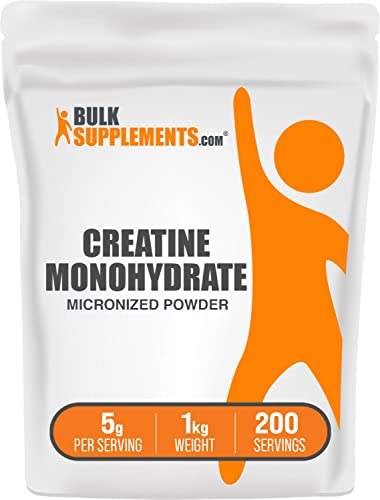
Monohydrate is one of the cheapest effective supplements available. A kilogram of micronized creatine monohydrate costs $15–$25 and lasts 200 days at 5 g/day. HCL costs 5–10x more per serving with no proven performance advantage. Every major sports nutrition organization recommends monohydrate — you are not missing out by choosing the cheaper option.
Top products in this form on our site
Budget Supplement Stack
Creatine mono + whey + vitamin D — maximum ROI
For athletic performance:
Recommended Form
Creatine Monohydrate
Match confidence
Strong evidence
Why this form for your goal
- Used by elite athletes worldwide — most-studied ergogenic aid in sports nutrition
- Improves repeated sprint ability, power output, and recovery between sets
- IOC, ISSN, and ACSM all recognize monohydrate as safe and effective
- Emerging evidence for cognitive benefits during fatigue and sleep deprivation
Practical Guidance
Best time
Post-training with carbs
Typical dose
3–5 g daily
Take with
Fast-digesting carbs
Avoid if
Skipping daily doses — consistency matters
For competitive athletes, monohydrate is the only evidence-based choice. It is endorsed by the International Olympic Committee, the International Society of Sports Nutrition, and virtually every governing body in sports science. It improves repeated sprint performance, increases training volume capacity, and may enhance recovery between sessions. HCL has no comparable body of athletic performance research.
Top products in this form on our site
Athletic Performance Protocol
Creatine + periodization + competition peaking strategy
For brain & cognition:
Recommended Form
Creatine Monohydrate
Match confidence
Moderate
Why this form for your goal
- The brain uses ~20% of the body's ATP — creatine supports cerebral energy metabolism
- Studies show improved short-term memory and reasoning under stress or sleep deprivation
- Vegetarians and vegans show the largest cognitive gains from creatine supplementation
- All cognitive research has been done with monohydrate — no HCL data exists
Practical Guidance
Best time
Morning with breakfast
Typical dose
3–5 g daily
Take with
Food
Avoid if
Expecting overnight results — cognitive effects build over weeks
Creatine isn't just for muscles — your brain is one of the most metabolically active organs and relies heavily on ATP. A 2018 systematic review in Experimental Gerontology found that creatine supplementation improved short-term memory and reasoning, particularly in stressed or sleep-deprived individuals. Vegetarians showed even larger cognitive benefits, likely because their baseline creatine stores are lower. All research uses monohydrate; HCL has zero cognitive studies.
Top products in this form on our site
Cognitive Performance Protocol
Creatine + omega-3 + sleep optimization
For recovery & endurance:
Recommended Form
Creatine Monohydrate
Match confidence
Moderate–strong
Why this form for your goal
- Faster phosphocreatine resynthesis means shorter recovery between sets and sessions
- Reduces muscle damage markers (CK, LDH) after intense exercise
- Supports glycogen replenishment when taken with carbs post-workout
- May reduce muscle soreness and inflammation after heavy training
Practical Guidance
Best time
Immediately post-workout
Typical dose
5 g daily
Take with
Carbs + protein shake
Avoid if
Relying on creatine alone — sleep and nutrition are still foundational
Creatine monohydrate accelerates recovery by speeding up phosphocreatine resynthesis between bouts of intense exercise. Research published in the Journal of Strength and Conditioning Research shows reduced muscle damage biomarkers (creatine kinase, lactate dehydrogenase) in athletes supplementing with monohydrate. It also helps maintain performance across repeated training sessions — critical during high-volume training blocks or tournament weekends. HCL likely offers similar recovery benefits but has no specific recovery research.
Top products in this form on our site
Recovery & Adaptation Protocol
Creatine + tart cherry + adequate sleep for faster adaptation
Top products
Best Price
Creatine Protocols
Evidence-based protocols that include creatine — dosing, timing, and what to avoid.

Antiaging and Longevity

Brain Health And Cognition

Chronic Fatigue Syndrome (CFS)

Depression

General Health

Keto

Men's Health

Migraines / Headaches

Muscle Building and Exercise

Parkinson’s Disease
Testosterone
All forms of creatine, side by side
Tap a form to see what it does, what it's best for, and the trade-offs.
Creatine Monohydrate
The most researched sports supplement in history. 500+ studies, endorsed by every major sports nutrition body. Proven to increase strength, power, and lean muscle mass.
Bioavailability
High
Creatine content
~88%
Best for
Strength, muscle, performance
Cost/serving
$0.03–$0.10
Pros
- Most studied creatine form ever
- Extremely affordable
- Proven across all athletic populations
Trade-offs
- May cause bloating during loading
- Gritty texture in some brands
- Requires 3–5 g daily dose
Creatine HCL
A highly soluble alternative to monohydrate. Requires smaller doses, dissolves completely, and may reduce GI discomfort — but lacks the deep research base of monohydrate.
Bioavailability
High (claimed)
Creatine content
~78%
Best for
GI-sensitive users
Cost/serving
$0.30–$0.70
Pros
- 38x more soluble than monohydrate
- Smaller dose needed (1–2 g)
- Less bloating reported
Trade-offs
- Much more expensive
- Very limited research
- No proven performance advantage
Buffered Creatine (Kre-Alkalyn)
A pH-buffered form of creatine that claims to resist stomach acid breakdown. However, independent studies found no advantage over monohydrate in absorption or performance.
Bioavailability
Similar to monohydrate
Creatine content
Variable
Best for
Marketing claims
Cost/serving
$0.25–$0.50
Pros
- No loading phase needed
- Smaller dose than monohydrate
- Generally well tolerated
Trade-offs
- No proven advantage over monohydrate
- More expensive
- Debunked marketing claims
Creatine Ethyl Ester
Marketed as having superior absorption due to ester bonding. Research actually shows it converts to creatinine (waste product) faster than monohydrate — making it less effective.
Bioavailability
Lower than monohydrate
Creatine content
Variable
Best for
Not recommended
Cost/serving
$0.30–$0.60
Pros
- Better taste than some forms
- Available in capsules
- No loading needed
Trade-offs
- Converts to creatinine faster
- Inferior to monohydrate in studies
- Poor value for money
Creatine Magnesium Chelate
Creatine bound to magnesium. Some early research suggested it might improve water retention in muscles, but evidence is thin and the cost is high.
Bioavailability
Similar to monohydrate
Creatine content
Lower (chelated)
Best for
Niche use
Cost/serving
$0.40–$0.80
Pros
- May reduce water retention
- Provides some magnesium
- Interesting mechanism
Trade-offs
- Very limited research
- Much more expensive
- Lower creatine per serving
Creatine Nitrate
Creatine bonded to a nitrate group. More soluble than monohydrate but no evidence it performs better. The nitrate component may have minor vasodilation effects.
Bioavailability
Similar to monohydrate
Creatine content
Lower
Best for
Pre-workout pump
Cost/serving
$0.30–$0.60
Pros
- Better solubility
- Nitrate may aid blood flow
- Less GI discomfort
Trade-offs
- No performance advantage over mono
- More expensive
- Limited long-term data
Creatine Gluconate
Creatine bound to glucose. The theory is that glucose enhances creatine uptake via insulin response. No research shows it outperforms monohydrate taken with carbs.
Bioavailability
Similar to monohydrate
Creatine content
Lower
Best for
No clear advantage
Cost/serving
$0.35–$0.70
Pros
- Good solubility
- Mild taste
- Theoretical insulin benefit
Trade-offs
- No proven advantage
- More expensive
- Just take mono with carbs instead
Liquid Creatine
Pre-dissolved creatine in liquid form. Convenient but problematic — creatine degrades to creatinine in solution over time, reducing effectiveness significantly.
Bioavailability
Low (degraded)
Creatine content
Unreliable
Best for
Not recommended
Cost/serving
$0.50–$1.00
Pros
- Convenient, ready to drink
- No mixing needed
- Easy to dose
Trade-offs
- Degrades to creatinine in solution
- Less effective than powder
- Most expensive form
Quick Verdict
Creatine Monohydrate
Choose Monohydrate if you want the most researched, proven, and cost-effective creatine — the gold standard backed by 30+ years of science.
OR
Creatine HCL
Choose HCL if you experience bloating or GI discomfort with monohydrate, prefer a smaller dose, or want better solubility in water.
- Monohydrate has the most clinical evidence of any creatine form — over 500 peer-reviewed studies
- HCL is more soluble and may reduce bloating and GI discomfort in sensitive users
- Both forms ultimately deliver creatine to muscles — the difference is in tolerability and convenience
- For pure performance and value, monohydrate remains the top recommendation from every major sports nutrition body
Creatine Monohydrate vs Creatine HCL
Feature
Creatine Monohydrate
Creatine HCL
Bioavailability
High — well absorbed, especially micronized forms
High — greater solubility may improve uptake slightly
Best for
Muscle gain, strength, power — any performance goal
Users who bloat on monohydrate, those wanting smaller doses
GI tolerance
Good — some users report bloating during loading phase
Excellent — smaller dose and higher solubility reduce GI issues
Effective dose
3–5 g per day (maintenance)
1–2 g per day (due to higher solubility)
Water retention
Moderate — intracellular water retention is common
Minimal — less water retention reported by users
Side effects
Bloating during loading phase, mild GI discomfort in some users
Minimal — reduced bloating and GI symptoms
Cost per serving
$0.03–$0.10 — extremely affordable
$0.30–$0.70 — significantly more expensive
Availability
Available everywhere — the most widely sold form globally
Available online and in specialty stores, fewer options
Research depth
500+ peer-reviewed studies — the most studied supplement in history
Limited — a handful of studies, mostly on solubility, not outcomes
Creatine Monohydrate — In Depth
What it is
Creatine monohydrate is the original and most widely studied form of creatine supplementation. It consists of a creatine molecule bound to a single water molecule, yielding approximately 88% pure creatine by weight. First used in sports nutrition research in the early 1990s, it has since accumulated over 500 peer-reviewed studies — more than any other sports supplement in history.
How it works
After ingestion, creatine monohydrate is absorbed in the small intestine and transported to muscles via the bloodstream. Inside muscle cells, it is converted to phosphocreatine by the enzyme creatine kinase. Phosphocreatine serves as a rapid ATP regeneration system during short, high-intensity efforts (1–10 seconds) — the phosphagen energy system. By increasing phosphocreatine stores by 20–40%, monohydrate allows athletes to perform more reps, recover faster between sets, and sustain higher power output.
Best for
- Anyone seeking proven muscle and strength gains backed by decades of research
- Athletes in power, strength, and team sports who need explosive performance
- Budget-conscious users — monohydrate is the cheapest effective creatine form
- People who want the safest option with the longest track record of use
What the research says
A landmark 2003 meta-analysis by Rawson & Volek in the Journal of Strength and Conditioning Research analyzed 22 studies and found an average 8% increase in maximal strength and 14% increase in repetitions to fatigue with creatine monohydrate supplementation. The International Society of Sports Nutrition's 2017 position stand concluded that "creatine monohydrate is the most effective ergogenic nutritional supplement currently available to athletes for increasing high-intensity exercise capacity and lean body mass during training."
Creatine HCL — In Depth
What it is
Creatine hydrochloride (HCL) is creatine bonded to a hydrochloric acid molecule. This bond dramatically increases water solubility — up to 38 times more soluble than monohydrate. It was developed as an alternative for users who experience GI discomfort or bloating with standard monohydrate, and is typically dosed at 1–2 grams per day instead of the standard 3–5 grams.
How it works
The hydrochloride bond lowers the pH of the creatine molecule, making it more stable in the acidic environment of the stomach. This enhanced solubility means HCL dissolves completely in water without clumping or grittiness. Proponents argue that better solubility translates to better absorption, allowing for smaller effective doses. However, it is important to note that increased solubility does not necessarily equal increased bioavailability — absorption and utilization are separate processes.
Best for
- Users who experience bloating, cramping, or GI discomfort with monohydrate
- Physique athletes and competitors in weight-class sports who want to minimize water retention
- People who prefer a smaller dose and fully dissolved supplement with no grittiness
- Those who have tried monohydrate and cannot tolerate it despite proper hydration and dosing
What the research says
Research on creatine HCL specifically is limited compared to monohydrate. A 2015 study published in the Journal of the International Society of Sports Nutrition examined creatine HCL solubility and found it was indeed 38 times more soluble than monohydrate. However, no large-scale randomized controlled trials have directly compared the performance outcomes of HCL vs monohydrate in athletes. The limited evidence suggests HCL delivers creatine to muscles effectively, but the claim of superior absorption remains unproven in human performance studies.
How to choose a creatine brand
Not all creatine supplements are created equal. Here's what to check before you buy.
Third-party testing
Look for NSF Certified for Sport, Informed Sport, or USP verification. This ensures the creatine is free from banned substances and contaminants — critical for competitive athletes.
Creapure® sourcing
Creapure® is the gold standard for creatine monohydrate purity, manufactured in Germany with 99.99% purity. Products using Creapure® are guaranteed free of contaminants like dicyandiamide and dihydrotriazine.
Micronized particle size
Micronized creatine monohydrate dissolves better and may improve absorption. Look for "micronized" on the label — standard monohydrate powder can be gritty and clump in liquid.
No unnecessary additives
Pure creatine needs zero additional ingredients. Avoid products loaded with artificial sweeteners, fillers, or proprietary blends that obscure the actual creatine dose.
Transparent dosing
The label should clearly state grams of creatine per serving. Avoid proprietary blends that hide the creatine dose behind a "matrix" or "complex" label.
Reputable brand
Choose brands with a track record of quality and published Certificates of Analysis. Established brands like Thorne, Optimum Nutrition, Transparent Labs, and Nutricost have consistent quality records.
Top brands


FAQ
Many users report less bloating with HCL, likely due to its smaller dose (1–2 g vs 3–5 g) and higher solubility. However, most bloating from monohydrate occurs during loading phases (20 g/day for 5–7 days). Simply skipping the loading phase and taking 3–5 g of monohydrate daily often eliminates bloating entirely — making HCL unnecessary for this reason alone.
No. Creatine HCL does not require a loading phase. Its higher solubility and smaller dose are designed for daily maintenance use only. Monohydrate loading is also optional — you can skip it and take 3–5 g daily, though it will take 3–4 weeks to fully saturate muscles instead of 5–7 days.
There is no benefit to combining them. Both deliver creatine to your muscles — you only need one form. Choose monohydrate for proven results and value, or HCL if you need better GI tolerance. Taking both just increases cost without any additional performance benefit.
Yes. Creatine monohydrate has been studied for over 30 years with an excellent safety profile. The International Society of Sports Nutrition, the American College of Sports Medicine, and the European Food Safety Authority all consider creatine monohydrate safe for long-term use at recommended doses (3–5 g/day). It does not damage kidneys in healthy individuals, despite persistent myths to the contrary.
HCL is more expensive to manufacture due to the additional chemical bonding process and smaller production scale. Monohydrate benefits from massive global production volume, keeping prices extremely low. Despite the price difference, no study has shown HCL to produce superior strength or muscle gains compared to monohydrate.
Sources & References
6 peer-reviewed sources cited
1
Rawson ES, Volek JS. Effects of creatine supplementation and resistance training on muscle strength and weightlifting performance. Journal of Strength and Conditioning Research. 2003;17(4):822-831.
View source
2
Kreider RB, et al. International Society of Sports Nutrition position stand: safety and efficacy of creatine supplementation in exercise, sport, and medicine. Journal of the International Society of Sports Nutrition. 2017;14:18.
View source
3
Branch JD. Effect of creatine supplementation on body composition and performance: a meta-analysis. International Journal of Sport Nutrition and Exercise Metabolism. 2003;13(2):198-226.
View source
4
Buford TW, et al. International Society of Sports Nutrition position stand: creatine supplementation and exercise. Journal of the International Society of Sports Nutrition. 2007;4:6.
View source
5
Gufford BT, et al. Physicochemical characterization of creatine N-methylguanidinium salts. Journal of Dietary Supplements. 2010;7(3):240-252.
View source
6
Antonio J, Ciccone V. The effects of pre versus post workout supplementation of creatine monohydrate on body composition and strength. Journal of the International Society of Sports Nutrition. 2013;10:36.
View source
The information on this site is for educational purposes only and is not medical advice. Talk to a healthcare professional before starting any supplement, especially if you take medication. Some links are affiliate links and we may earn a commission at no cost to you.