
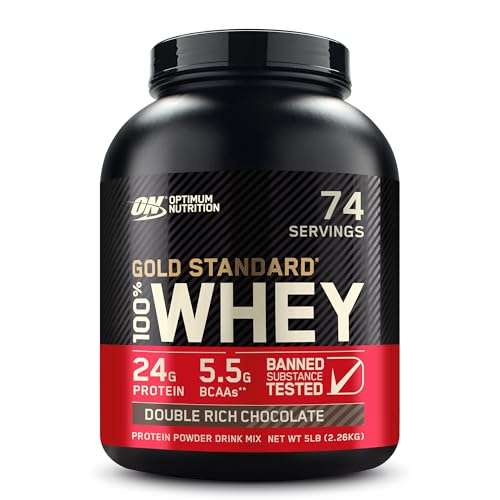
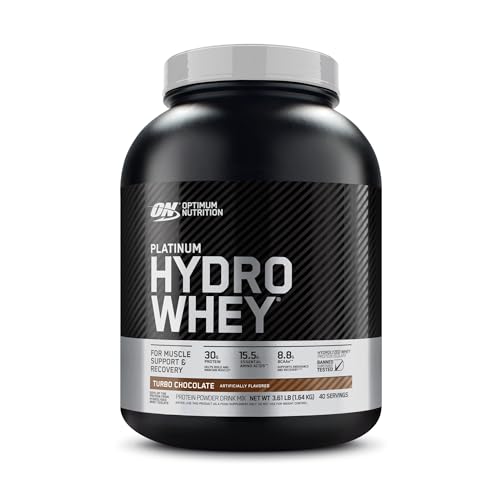
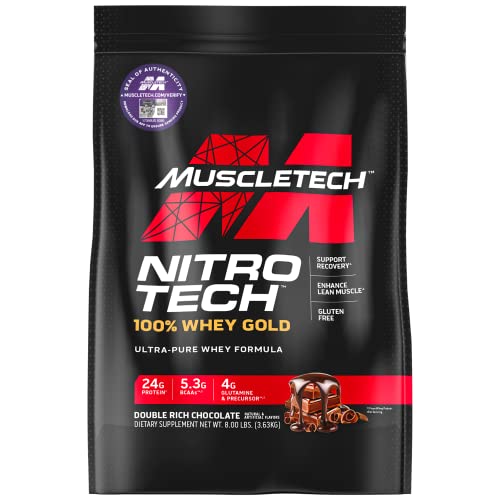
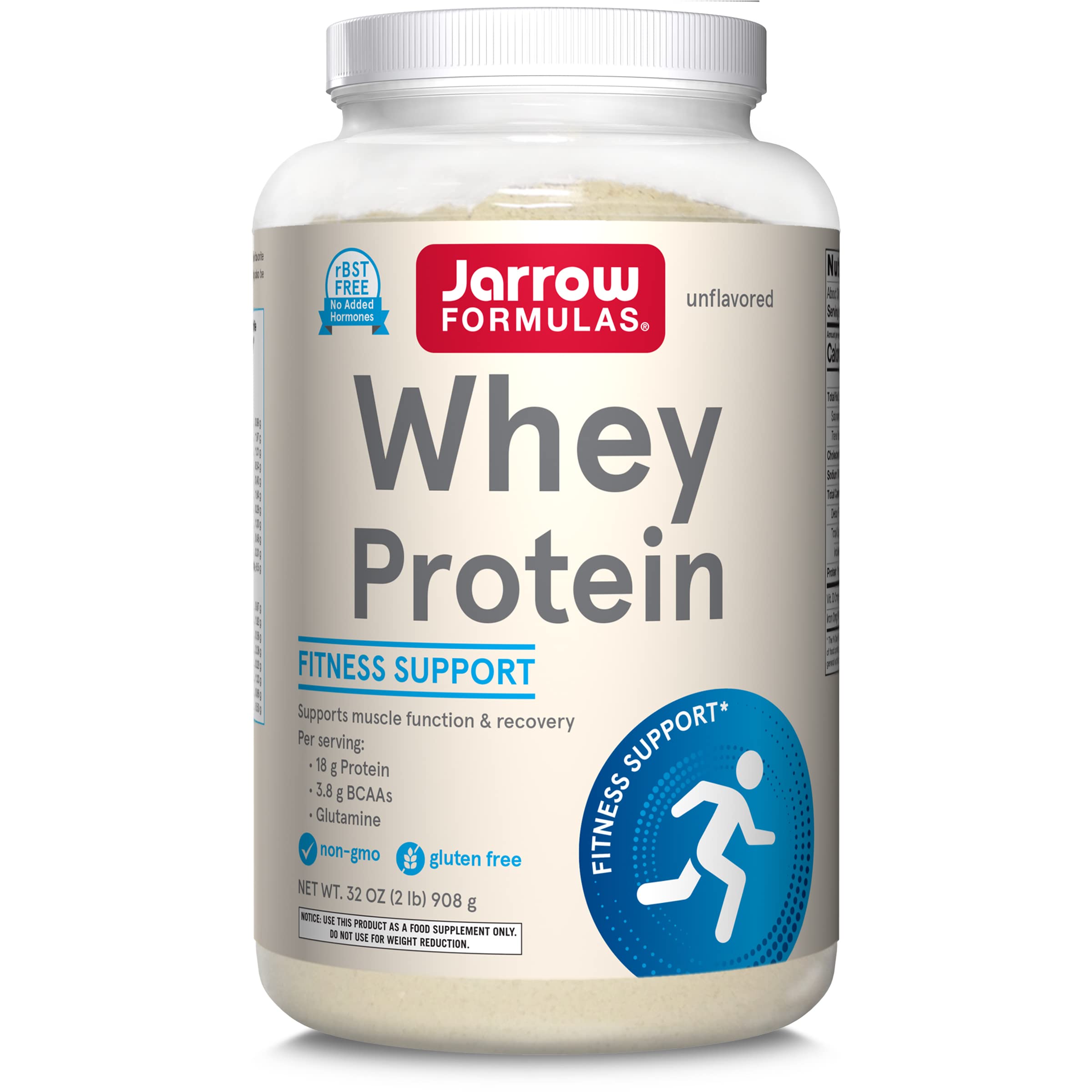
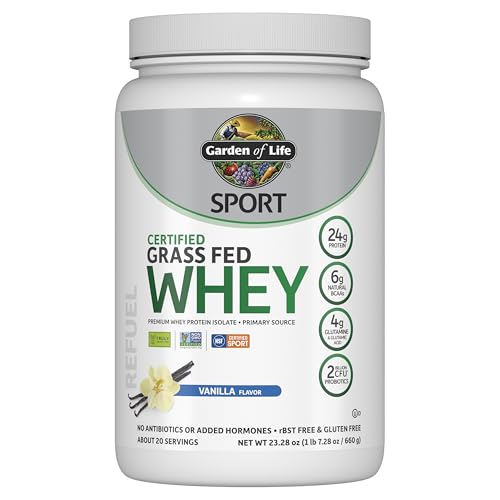
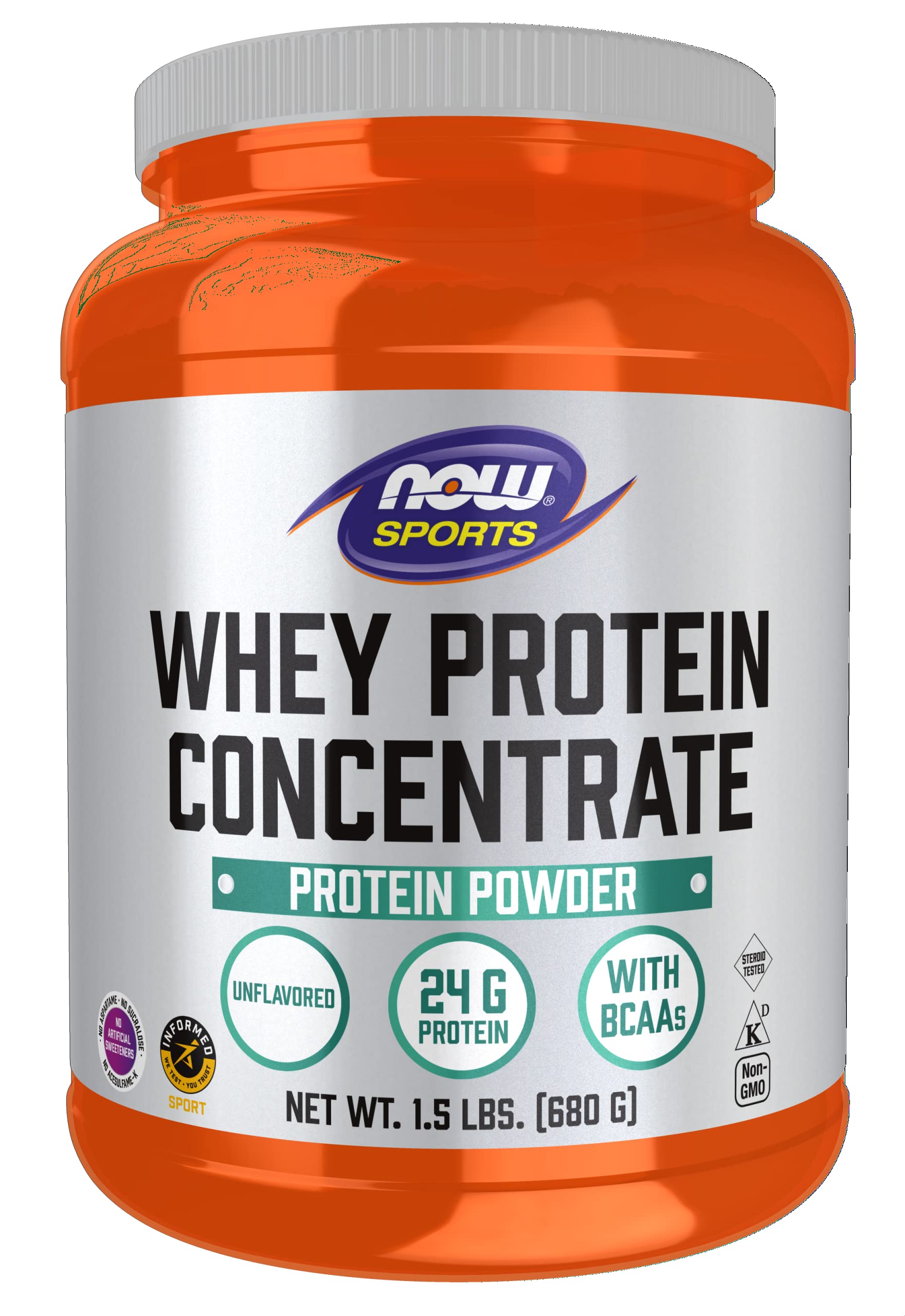
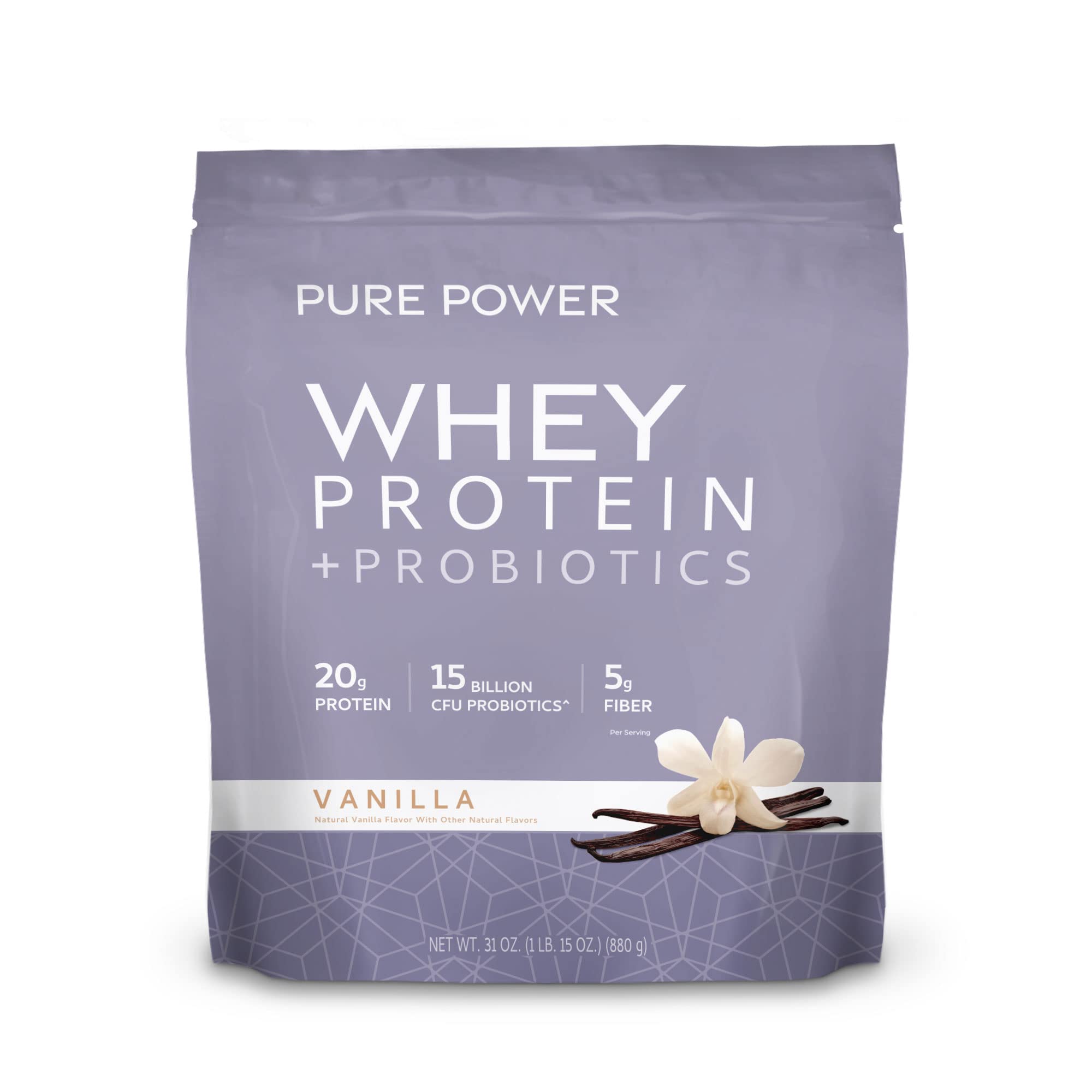
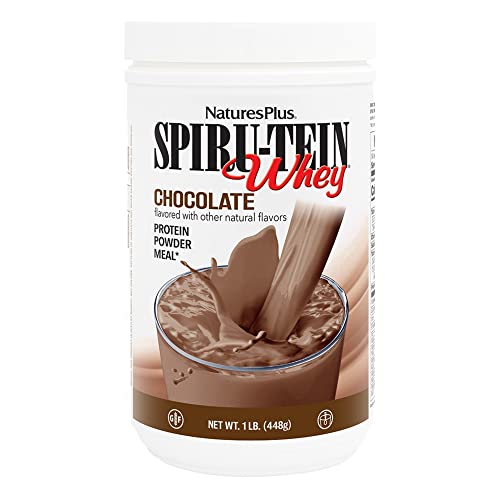
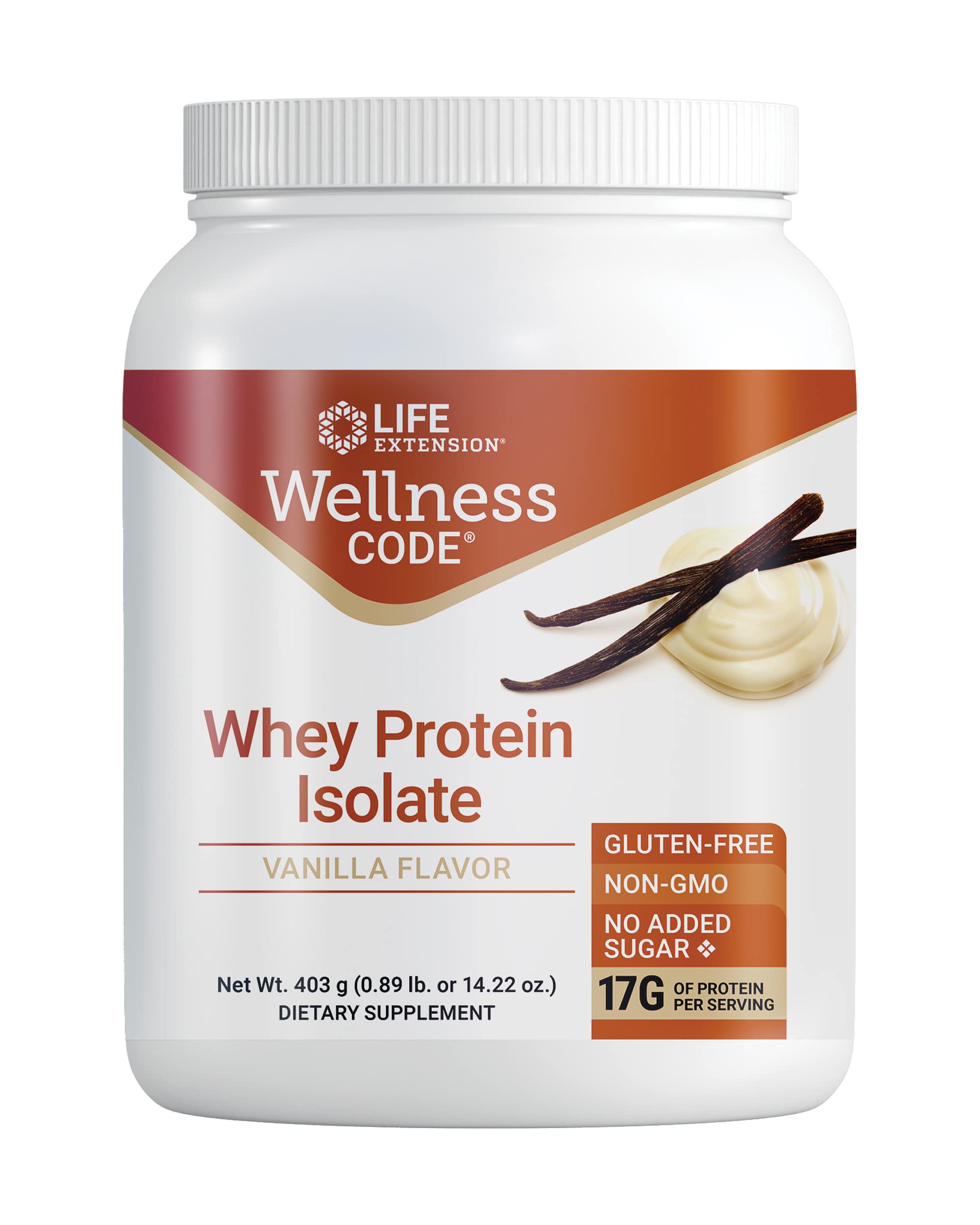
For overall muscle building, whey has a slight edge due to its faster absorption and higher leucine content, which acutely stimulates muscle protein synthesis more effectively. However, the combination of whey post-workout and casein before bed is the most effective strategy — delivering both rapid and sustained amino acid availability.

casein vs whey protein
Casein vs Whey vs Plant Protein
The complete comparison — absorption speed, muscle protein synthesis, satiety, cost, and digestibility. Find out which protein type is best for your goals in minutes.
Key Takeaways — Casein vs Whey vs Plant
- Whey is best post-workout — fastest absorption (60-90 min peak), highest leucine (11%), strongest MPS trigger. The gold standard for muscle gain.
- Casein is best before bed — forms a slow-digesting gel, delivers amino acids over 6-8 hours. A 2012 study showed 22% more overnight muscle protein synthesis.
- Plant protein works if you use blends — pea + rice creates a complete amino acid profile comparable to whey. Use 30-40g to compensate for slightly lower leucine.
- The optimal strategy combines both — whey post-workout for rapid MPS + casein before bed for sustained overnight delivery. This is what research supports for maximum results.
- Budget pick: whey concentrate — at $0.50-$0.80/serving, it's the cheapest high-quality complete protein with decades of research behind it.
Blood Amino Acid Levels Over Time
Whey
Casein
Plant
How Whey vs Casein Digestion Actually Works
Whey Protein
- Rapidly broken into peptides 20-40 min
- Amino acids flood bloodstream sharp spike
- Peak blood levels at 60-90 min
- Leucine triggers mTOR MPS activation
- Fully utilized within 3-4 hours
Fast & powerful — ideal post-workout
vs
Casein Protein
- Forms gel clot in stomach acid reaction
- Amino acids release slowly steady drip
- Sustained elevation 6-8 hours
- Anti-catabolic effect prevents breakdown
- Keeps you full highest satiety
Slow & sustained — ideal before bed
Whey acts like a sprint — flooding muscles with amino acids fast. Casein acts like a marathon — drip-feeding amino acids while you sleep. Both have their place; the best strategy uses both.
The Science of Protein Absorption
Understanding how different protein types interact with your body's muscle-building machinery.
Muscle Protein Synthesis (MPS)
- Leucine is the master switch — it activates the mTOR pathway, initiating ribosomal translation of new muscle proteins. Whey has ~11% leucine, casein ~9%, plant blends ~7-8%.
- The leucine threshold is 2.5-3g per meal — you need this minimum to maximally stimulate MPS. That means ~25g whey, ~30g casein, or ~35-40g plant protein per serving.
- MPS elevation lasts 3-5 hours after whey — then returns to baseline. This is why protein distribution across 4-5 meals matters more than total daily protein at one sitting.
- Casein provides a different benefit — instead of a high MPS spike, it prevents muscle protein breakdown (MPB) overnight, creating a net positive protein balance during sleep.
Digestion Speed & Bioavailability
- Whey digests at ~10g per hour — reaching peak blood amino acid levels in 60-90 minutes. Ideal for the post-exercise anabolic window.
- Casein digests at ~6g per hour — forming a stomach gel that provides sustained amino acid delivery over 6-8 hours.
- Plant protein digests at ~8g per hour — slightly slower than whey but with lower PDCAAS scores unless blended (pea + rice = 1.0 PDCAAS).
- DIAAS scores matter — whey isolate scores 1.09, casein 1.0, pea 0.82, rice 0.37 (alone). Blending pea + rice achieves 0.98-1.0.
Amino Acid Release Over Time — Whey vs Casein vs Plant
Whey provides a concentrated amino acid spike ideal for post-workout MPS. Casein maintains elevated levels throughout sleep. Plant protein falls between the two, making it versatile for any timing.
Complete Protein Comparison Table
Side-by-side comparison of all major protein types — absorption, timing, use case, and cost.
| Protein Type | Absorption Speed | Best Time | Best For | Cost/Serving |
|---|---|---|---|---|
| Whey Concentrate | Fast (60-90 min) | Post-workout | General use, muscle gain, budget | $0.50-$0.80 |
| Whey Isolate | Fast (45-75 min) | Post-workout | Lean gains, lactose-sensitive | $0.80-$1.50 |
| Micellar Casein | Very slow (6-8 hr) | Before bed | Overnight recovery, satiety | $1.00-$2.00 |
| Pea + Rice Blend | Moderate (2-3 hr) | Anytime | Vegan, dairy-free, hypoallergenic | $0.80-$1.50 |
The Whey + Casein Strategy
Elite athletes and bodybuilders don't choose between whey and casein — they use both. The research-backed protocol: 25-40g whey protein within 60 minutes post-workout for maximum acute MPS, plus 30-40g micellar casein 30 minutes before bed for sustained overnight amino acid delivery. A 12-week study by Snijders et al. (2015) showed this combined approach produced significantly greater muscle mass gains than training alone.
When to Use Each Protein
Match the right protein type to each situation for maximum results.
Post-Workout
Within 60 min
Whey Protein
Fastest absorption delivers amino acids during the anabolic window. High leucine triggers maximum MPS. 25-40g with water or fast carbs.
Between Meals
Flexible
Before Bed
30 min before sleep
Casein Protein
Gel-forming digestion delivers amino acids over 6-8 hours while you sleep. 30-40g micellar casein prevents overnight muscle breakdown.
Vegan/Dairy-Free
Anytime
Plant Blend (Pea + Rice)
Complete amino acid profile when blended. Use 30-40g per serving to match whey's leucine content. Hypoallergenic and sustainable.
How Much Protein Do You Need?
Enter your weight and goal to calculate your daily protein target.
Protein Calculator
Body weight
Goal
128
grams of protein per day
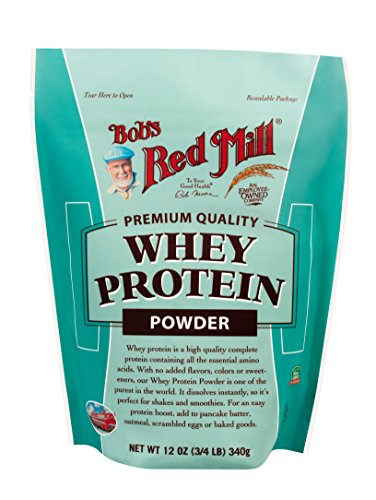
Top products
Best Price
Best Protein Stack Combinations
Pair your protein with these supplements for amplified results.
The most proven muscle-building stack. Whey provides amino acids for MPS, creatine increases training volume and cell hydration. Combined effect exceeds either alone.
Both post-workout — mix together in your shake.ZMA (zinc + magnesium + B6) supports testosterone production and deep sleep. Paired with casein before bed, you get overnight anabolism + enhanced recovery hormone release.
Both 30 min before bed — the ultimate overnight stack.Dextrose or banana with whey post-workout spikes insulin, which shuttles amino acids into muscle cells faster. 30-50g carbs with 30g whey.
Immediately post-workout for maximum recovery speed.Plant proteins have lower leucine (~7-8% vs 11% in whey). Adding 2-3g free-form leucine bridges this gap and matches whey's MPS stimulation.
Post-workout — add leucine powder to plant protein shake.Casein provides muscle-building amino acids overnight while collagen supports joint, tendon, and connective tissue repair. Perfect for athletes with joint stress.
Before bed — mix casein + 10g collagen peptides.Common Protein Mistakes
Avoid these errors that waste money and limit your muscle-building results.
Using only one protein type
Whey alone misses overnight recovery. Casein alone misses the post-workout MPS window. The research-proven approach uses both: whey after training, casein before bed.
Overpaying for isolate when you tolerate lactose
Whey concentrate at $0.50/serving delivers 80% of the benefit of $1.50 isolate. Unless you're lactose-sensitive or cutting calories, concentrate is the smarter buy.
Taking casein post-workout
Casein's slow absorption means amino acids arrive too late for the post-exercise MPS window. Whey or whey hydrolysate is the correct post-workout choice — save casein for bedtime.
Using single-source plant protein
Pea protein alone lacks methionine. Rice protein alone lacks lysine. Always choose pea + rice blends for a complete amino acid profile. Single sources leave nutritional gaps.
Not eating enough total protein
Supplements fill gaps — they don't replace meals. If you're only getting 60g/day from food, one shake won't fix it. Aim for 1.6-2.2g/kg body weight from food + supplements combined.
Falling for amino-spiked products
Some brands add cheap glycine or taurine to inflate protein numbers. Look for NSF Certified for Sport or Informed Sport verification. If it's suspiciously cheap, check the amino acid profile.
Your Protein Day
The optimal way to combine whey and casein throughout your day for maximum results.
7:00 AM — Breakfast
Whey + Eggs
25g whey in oats or shake. Whole food protein from eggs. Total: ~40g.
12:30 PM — Lunch
Whole Food Protein
Chicken, fish, or legumes. No supplement needed if meal has 30-40g protein.
10:30 PM — Before Bed
Casein Shake
30-40g micellar casein. Releases amino acids over 6-8 hours while you sleep.
3:30 PM — Pre/Post Workout
Whey Isolate + Creatine
30g whey isolate + 5g creatine within 60 min post-training. Peak MPS window.
6:30 PM — Dinner
Whole Food + Optional Whey
Steak, salmon, or tofu. Add whey to smoothie if short on daily target.
Protein Pro Tips
Muscle protein synthesis is maximally stimulated by 25-40g of protein per meal and then stays elevated for 3-5 hours before resetting. Eating 150g in one meal doesn't trigger 6x the MPS — your body has a ceiling per meal. Spread intake across 4-5 feedings for maximum total daily MPS stimulation.
A landmark Maastricht University study (Res et al., 2012) showed that 40g of casein protein consumed 30 minutes before sleep increased overnight muscle protein synthesis by 22% compared to placebo. This works because casein's gel-forming property provides a 6-8 hour amino acid drip — perfectly matching your sleep duration.
Plant proteins contain ~7-8% leucine vs whey's 11%. Since leucine is the primary mTOR trigger, adding 2-3g free-form leucine to 30g plant protein makes it functionally equivalent to 25g whey for MPS stimulation. This is how vegan athletes compete at the highest levels.
The old "30-minute window" myth has been debunked. Research shows the anabolic window is actually 4-6 hours wide. What matters more is your total daily protein intake (1.6-2.2g/kg) and distribution across meals. However, having whey within 1-2 hours post-workout is still optimal — just not urgent.
Casein mixed with a small amount of water or Greek yogurt creates a pudding-like texture. Add some berries and you have a high-protein dessert that's actually optimal for gains. Greek yogurt already contains natural casein, so you're doubling down on overnight amino acid delivery.
Top brands


FAQ
Yes — in fact, this is a common and effective strategy. Milk protein itself is 80% casein and 20% whey. Taking whey post-workout for fast recovery and casein before bed for overnight delivery covers both acute and sustained protein needs. Some products sell whey-casein blends for this reason.
When leucine content is matched (by using slightly higher doses of plant protein, typically 30–40 g instead of 25 g), plant protein can produce similar muscle protein synthesis rates. A 2019 pea protein study showed comparable gains to whey over 12 weeks. The key is choosing a plant blend (pea + rice) rather than a single source, and slightly increasing your serving size.
Casein is the clear winner for pre-sleep use. Its slow gel-forming digestion delivers amino acids over 6–8 hours — matching the duration of sleep. A landmark study showed 40 g of casein before bed increased overnight muscle protein synthesis by 22%. Whey is digested too quickly to provide sustained overnight benefits.
It can. Casein forms a gel in the stomach that slows digestion, which some individuals experience as bloating or heaviness. Casein also contains more lactose than whey isolate. If you experience digestive issues, try whey isolate (nearly lactose-free) or plant protein (completely dairy-free). Digestive enzyme supplements can also help.
For active individuals and athletes, research supports 1.6–2.2 g of protein per kilogram of body weight per day for optimal muscle gain. For a 80 kg (175 lb) person, that is 128–176 g daily. Most of this should come from whole food sources (meat, fish, eggs, dairy, legumes), with protein supplements filling the gap when whole food intake falls short.
Sources
- Morton RW, et al. A systematic review, meta-analysis and meta-regression of the effect of protein supplementation on resistance training-induced gains in muscle mass and strength in healthy adults. British Journal of Sports Medicine. 2018;52(6):376-384.
- Res PT, et al. Protein ingestion before sleep improves postexercise overnight recovery. Medicine and Science in Sports and Exercise. 2012;44(8):1560-1569.
- Snijders T, et al. Protein ingestion before sleep increases muscle mass and strength gains during prolonged resistance-type exercise training in healthy young men. Journal of Nutrition. 2015;145(6):1178-1184.
- Jäger R, et al. International Society of Sports Nutrition position stand: protein and exercise. Journal of the International Society of Sports Nutrition. 2017;14:20.
- Banaszek A, et al. The effects of whey vs. pea protein on physical adaptations following 8-weeks of high-intensity functional training. Sports. 2019;7(1):12.
- Boirie Y, et al. Slow and fast dietary proteins differently modulate postprandial protein accretion. Proceedings of the National Academy of Sciences. 1997;94(26):14930-14935.
Related Tools & Guides
The information on this site is for educational purposes only and is not medical advice. Talk to a healthcare professional before starting any supplement, especially if you take medication. Some links are affiliate links and we may earn a commission at no cost to you.